Accommodation and Getting Around in Pretoria: A Traveller’s Guide to lodging, neighbourhoods, and local highlights
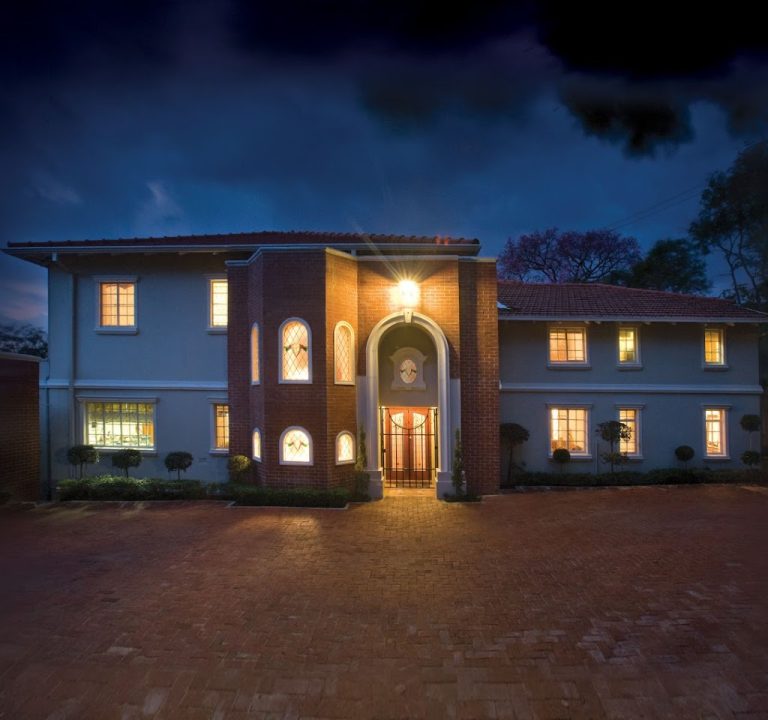
Pretoria, the administrative capital of South Africa, offers a range of lodging options from boutique guesthouses to mid-range lodges and modern hotels. When planning a stay, consider the city’s distinct neighbourhoods to match your travel style: leafy residential precincts with tranquil guesthouses, business-friendly districts close to major venues, and student-friendly areas with a vibrant dining scene. The Rose Guesthouse The is an example of lodging that blends character with convenience, reflecting Pretoria’s warm hospitality and easy-going pace.
Areas to consider for accommodation:
- Central and diplomatic precincts – close to government buildings, museums, and major monuments. Easy walking access to some attractions, with reliable transport links for evening dining out.
- Hatfield and Brooklyn – lively student and business hubs with a mix of guesthouses, B&Bs, and boutique hotels. Good for access to universities, cafes, and a diverse dining scene.
- Lynnwood and Menlyn – modern residential zones with shopping centres, parks, and easy car or taxi access to the city core.
- Groenkloof and Rietfontein – quieter, greener pockets ideal for those seeking a relaxed environment and a touch more privacy.
What to look for when booking:
- Comfortable, well-maintained rooms with supportive beds and adequate storage.
- Inclusive amenities such as breakfast options, Wi‑Fi, secure parking, and 24‑hour reception if you plan late arrivals.
- Transport accessibility: proximity to major roads, a reliable taxi or ride-hailing service, and convenient access to such as Gautrain stations for day trips beyond the city.
- Safety features and well-lit surroundings, especially if you plan to explore after dark.
- A good cancellation policy and transparent terms for extended stays or weekend getaways.
Typical amenities you may encounter:
- Free or breakfast-inclusive rates, with options for continental or full English-style breakfasts.
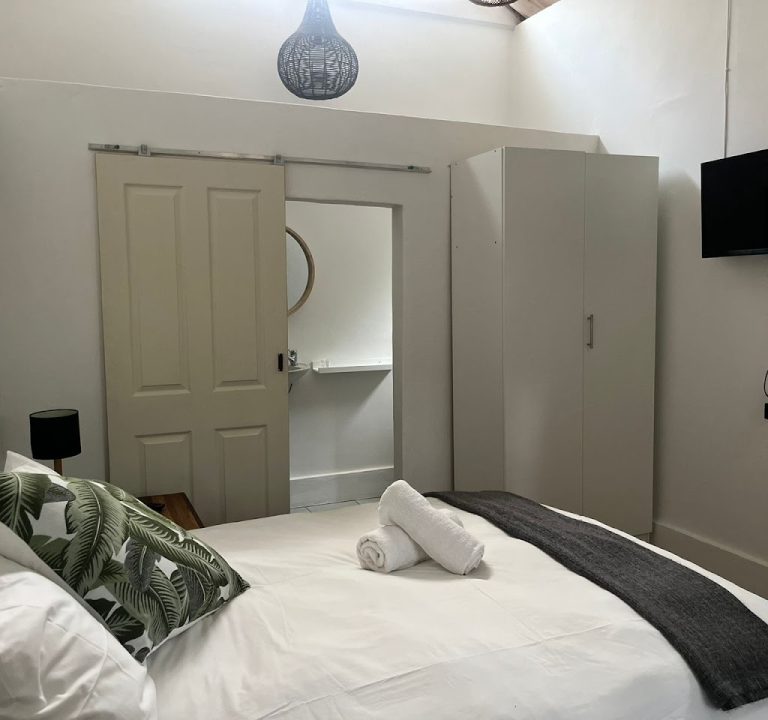
- En-suite bathrooms, premium towels, and well-equipped wardrobes.
- Free Wi‑Fi, workspace nooks, and on-site parking (secured where possible).
- Access to communal lounges, gardens, or courtyards for relaxation after sightseeing.
- Swimming pools or rooftop terraces in select properties, particularly in modern enclaves.
Transport and getting around:
Pretoria is well connected by road, and the Gautrain network links the city to Johannesburg and OR Tambo International Airport. Within the city, taxis, ride-hailing services, and car hire are convenient ways to explore. If you prefer a self-guided approach, renting a compact vehicle helps you reach major attractions at your own pace, while staying in a central base can reduce travel time between sights.
Best time to visit and planning tips:
Pretoria enjoys a warm climate with hot summers and mild winters. Spring (August–September) is often a favourite time to visit when wildflowers bloom in the countryside surrounding the city. Autumn brings pleasant temperatures for day trips, while winter evenings are cool but usually dry. If you’re planning outdoor explorations, mornings or late afternoons are ideal to enjoy parks, gardens, and viewpoints without the heat of mid-day sunshine.
Practical tips for a smooth stay:
- Book in advance if you’re visiting during school holidays or major events, as good Johannesburg–Pretoria connections and local properties fill quickly.
- Pack a light layer for cooler evenings and a hat or sunscreen for day trips to the botanical gardens and open spaces.
- Reserve restaurant reservations for popular dining districts during weekends, especially in Hatfield and Brooklyn.
- Plan day trips to nearby attractions with a clear route in mind, so you maximise time and minimise driving between sights.
- Respect local safety guidance, carry a charged mobile phone, and use reputable transport options after dark.
Attractions and experiences in general terms:
Pretoria offers a mix of grand monuments, sweeping gardens, and insightful museums. Typical highlights include grand government buildings with architectural interest, expansive parks and botanical spaces, and cultural centres that showcase South Africa’s diverse history. You’ll also find craft markets and local eateries that celebrate regional flavours, alongside terraces and cafés where you can pause for a coffee and a bite to eat between sightseeing.
Dining and local flavour:
Neighborhoods such as Hatfield, Brooklyn, and the central districts provide a variety of options from casual bistros to refined eateries. Expect menus that feature fresh produce, globally influenced dishes, and South African favourites. When planning meals, consider a mix of quick meals near your accommodation for days with long itineraries and more relaxed dinners in areas with a concentration of restaurants.
Nearby practicalities and links:
For broader practical information on Pretoria and Gauteng, consult official tourism resources for planning your trip, including transport options, safety guidance, and regional highlights. Useful starting points include national and provincial tourism portals, and city-level visitor information pages that help you align your stay with your itinerary. If you wish to research official visitor information, you can explore resources at Gauteng Tourism Authority and related city tourism pages.
In sum, Pretoria presents a welcoming mix of lodging styles and neighbourhoods that suit a range of travel plans. By choosing accommodation with thoughtful amenities, easy transport access, and proximity to parks, museums, and dining districts, you can craft a balanced stay that blends culture, convenience, and comfort. The city rewards curious travellers who plan a few calmly paced days alongside more active excursions, making Pretoria a rewarding base for exploring Gauteng and the wider region.