Staying in Underberg, KwaZulu-Natal: where to stay, what to do, and how to plan
Underberg sits on the edge of the Southern Drakensberg, a pocket of KwaZulu-Natal rich in natural beauty and outdoor possibilities. A stay here is often about embracing the mountain scenery, fresh air and a relaxed pace, with accommodation ranging from cosy lodges and guesthouses to self‑catering cottages. When planning a visit, think about which area you’d like to base yourself in, what activities you want to prioritise and how you prefer to move around the region.
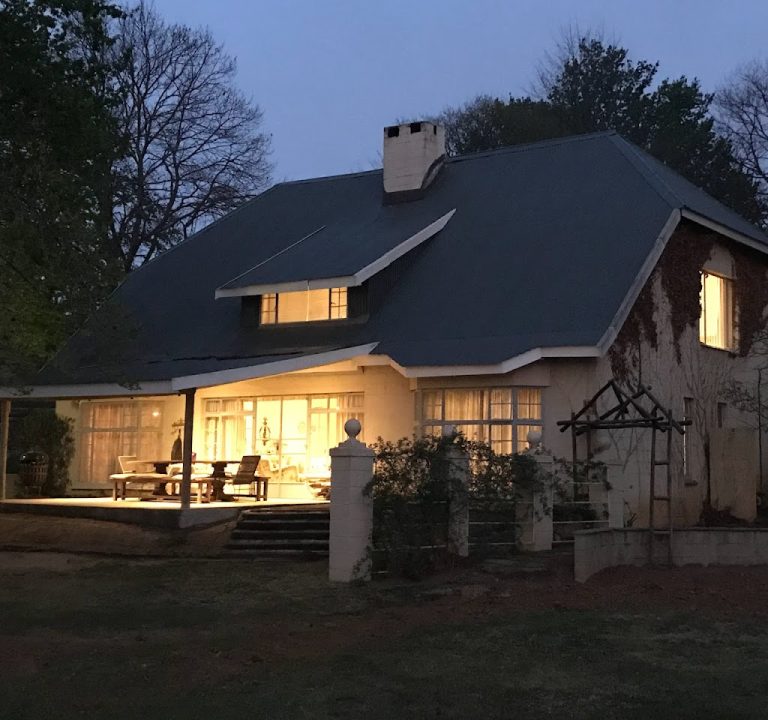
Accommodation options in and around Underberg vary in style and level of comfort. Lodges and guesthouses typically offer blended packages of comfortable rooms, home‑cooked meals and friendly local knowledge. Self‑catering cottages, huts or chalets provide the flexibility of cooking and a little more privacy. A well‑placed option for travellers seeking a specific local feel is Rose Cottage at Gods’ Haven, listed as a lodging option with spaces designed for a restful stay in tranquil surroundings; it is commonly accessed through booking platforms such as Airbnb. When evaluating options, consider whether you want an on‑site restaurant, a shared lounge, or a kitchen that suits family meals and coffee breaks between outings.
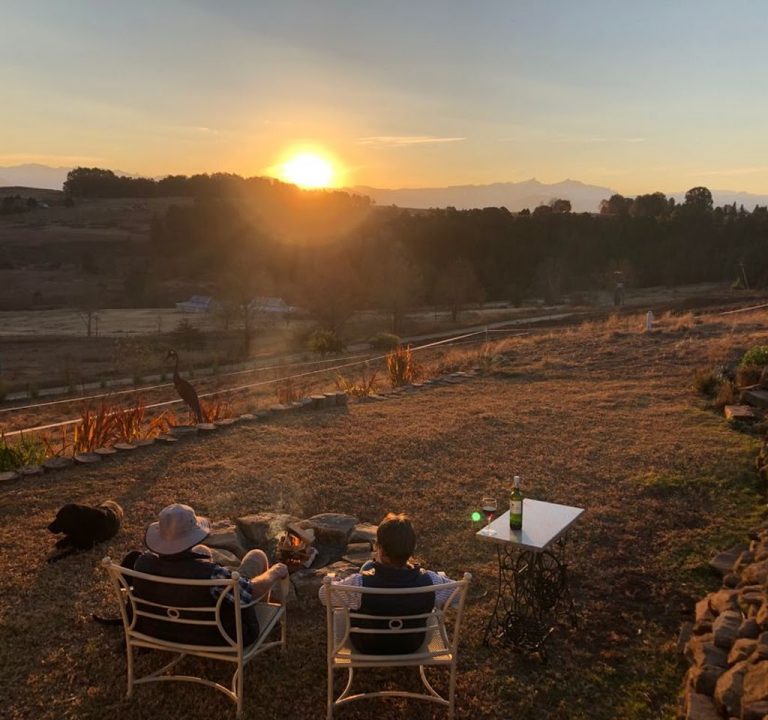
Typical amenities to look for include private or en‑suite bathrooms, reliable heating for the cooler mountain evenings, secure parking, Wi‑Fi access for planning day trips, and housekeeping arrangements that match your pace. Some properties offer braai (barbecue) facilities, easy garden access, or outdoor seating with views of the surrounding hills. If you are visiting during peak walking or hiking season, check how far your lodging is from popular trailheads, and whether the property can assist with luggage transfers or early breakfasts for early starts.
Area considerations help you shape your stay. Underberg itself is a convenient base for day trips into the Drakensberg range and surrounding valleys. Proximity to river walks, forested trails, and viewpoints tends to influence daily plans. If you prefer more remote scenery, you may choose stays that sit closer to pristine nature reserves or forest corridors. If you want a livelier village atmosphere at the end of the day, look for lodges or guesthouses that are within easy reach of modest shops, cafés and dining options.
Planning tips for your visit:
- Time your trip for the scenery you want. The Drakensberg area is stunning in both winter light and summer greenery, and the weather shifts with altitude. Pack layers, a waterproof jacket and sturdy footwear.
- Think about transport. A rental car offers the most flexibility for exploring the region, especially if you want to access trailheads, viewpoints and rural eateries. Public transport is limited, so arrange transfers in advance if you’re not driving.
- Booking ahead for peak seasons is wise. Spring and autumn offer pleasant trekking conditions, while summer can bring afternoon showers. Winter draws cooler evenings and crisp mornings, ideal for mountain views if you enjoy stargazing and quiet trails.
- Check breakfast options and meal plans. Some properties include breakfast or offer continental spreads, while others are fully self‑catering. If you plan long trekking days, a hearty breakfast and convenient snacks can make a real difference.
- Ask for local guidance. Many hosts know the best short walks, sunrise viewpoints, and farm stalls or tea rooms. Local knowledge can help you avoid busy periods and discover hidden gems.
- Consider family or accessibility needs. If travelling with children or guests with limited mobility, verify trail difficulty, parking proximity to accommodation, and the availability of ground‑floor rooms or lifts where necessary.
In addition to resting comfortably, you’ll likely want to explore a few attractions and experiences in the region. General draws include scenic drives and short forest walks, viewpoints that showcase the Drakensberg amphitheatre, and rural landscapes punctuated by streams and farmland. Depending on the time of year, nature lovers can find birdwatching opportunities, wildflower displays, and seasonal phenomena. For evenings, many visitors enjoy relaxed dining at family‑run eateries or lodges, where menus emphasise fresh ingredients and traditional flavours without being overly formal.
When deciding where to stay, review practical details such as distance to the main drifts of the Drakensberg ranges, quiet hours, and whether the property offers outdoor spaces for sun or shade. Look for hosts who can provide a map or suggested routes for day trips, as well as any safety tips for mountain paths. Websites and booking platforms may highlight guest reviews, which can help you gauge how well a lodging meets expectations for comfort, noise levels and value.
Bottom line: Underberg is an excellent gateway for travellers who want access to the Drakensberg without sacrificing a comfortable base. With a range of lodging styles—from cosy guesthouses to self‑catering cottages—paired with scenic landscapes and a relaxed local pace, it suits couples, families and solo travellers alike. Plan your stay around how you wish to move, what you want to see, and how much you value shelter, warmth, and a friendly welcome. For accommodation listings and booking options, you can browse platforms that showcase Rose Cottage and other lodging options within the Underberg area, and remember to check the details that matter most to you before confirming your booking.