Staying in Tzaneen: accommodation options, attractions, and practical planning tips
Tzaneen sits in Limpopo’s northern highveld, a gateway to the Waterberg, scenic valleys and a climate that lends itself to lush scenery most of the year. When planning a stay in this area, many visitors combine restful farm stays with convenient access to nature reserves, botanical gardens, and family-friendly activities. Whether you prefer a comfortable guesthouse, a boutique lodge, or a self-catering farmstay, Tzaneen and its surroundings offer welcoming options that can suit a wide range of itineraries.
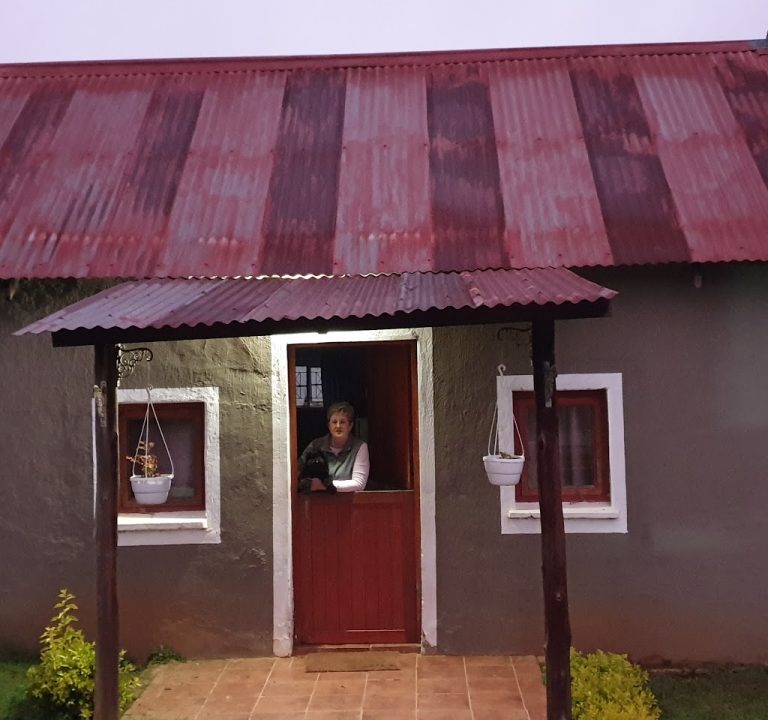
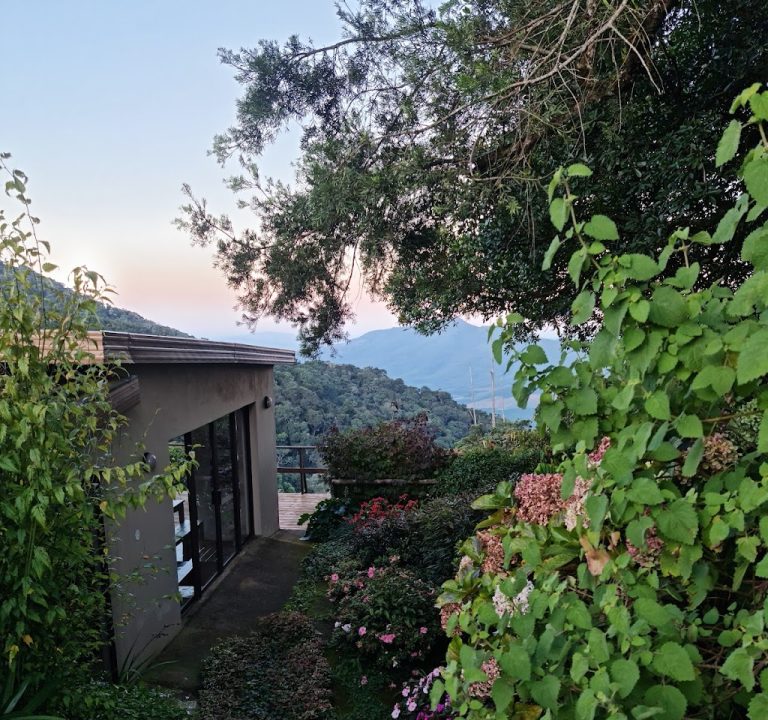
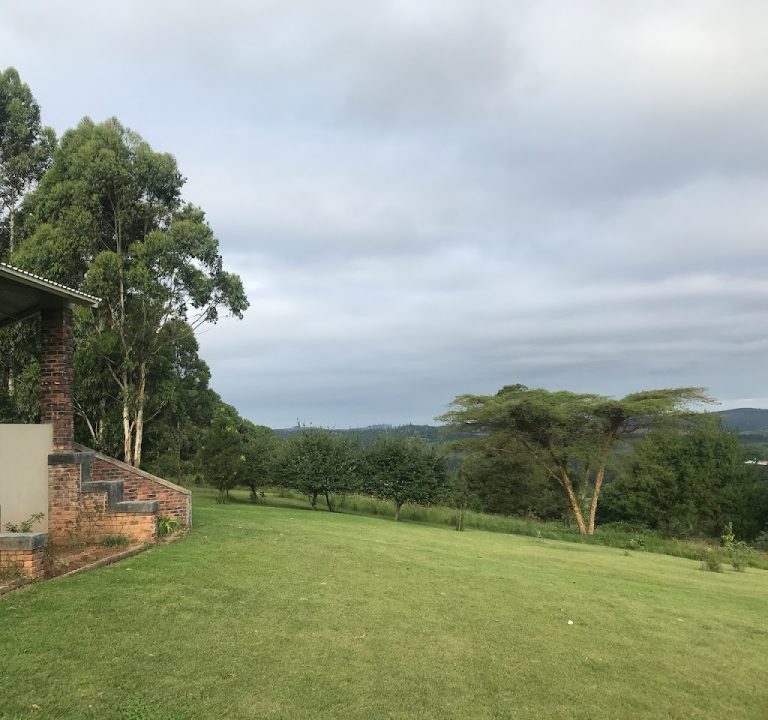
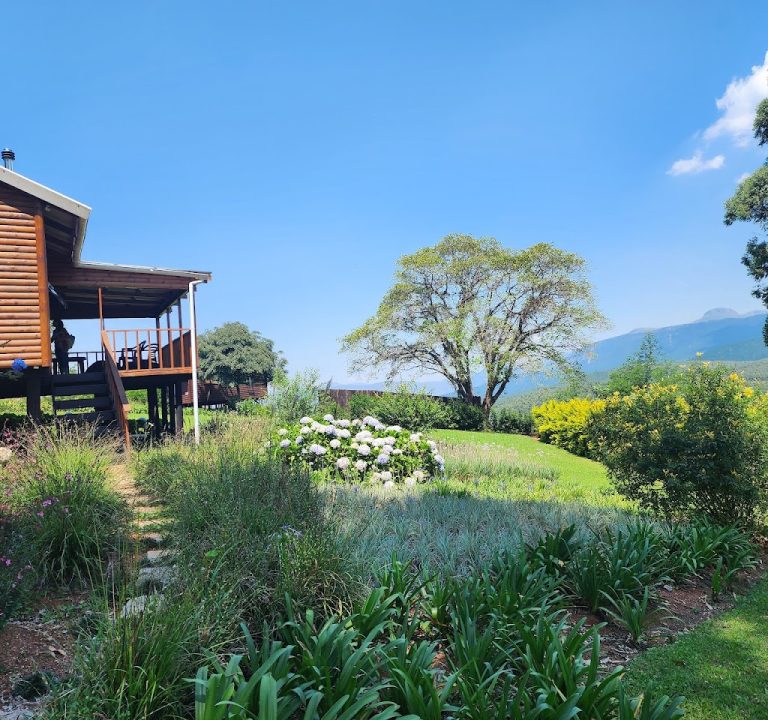
Accommodation in and around Tzaneen tends to fall into a few familiar categories. Guesthouses provide compact, comfortable rooms with meals often available on site or nearby, while lodges and country houses tend to offer a bit more space, on-site dining, and sometimes organised activities such as guided nature walks or wildlife drives. Farmstays, in particular, are popular for those seeking a closer connection with rural life, where you may have opportunities to learn about local farming practices or simply enjoy the tranquillity of the countryside. When choosing where to stay, consider proximity to the town centre for easy dining and shopping, or pick a rural setting if you prioritise scenic views and quieter surroundings.
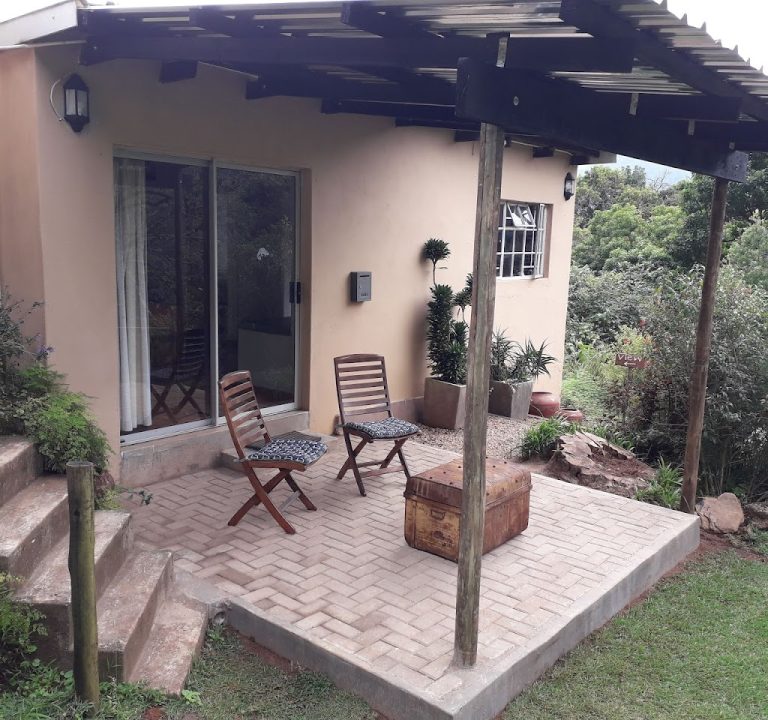
Typical amenities you might encounter include en-suite bathrooms, air conditioning or fans (the area can be warm in summer), secure parking, and Wi-Fi. Some properties offer self-catering facilities or kitchen access, which can be convenient for families or travellers who prefer the flexibility to cook. If you’re visiting for outdoor activities, look for options with easy access to trails, a pool for cooling off, and practical touches such as shaded outdoor seating and a communal braai area for traditional barbecues.
Transport options in Tzaneen are varied. If you’re flying in, the closest major international gateways are several hours away by road, so a rental car is usually the most practical way to explore the region. Many accommodation providers can arrange airport transfers or local shuttle services, but it’s worth confirming availability and any costs in advance. Within the town, a car provides the most freedom to visit plantations, viewpoints, markets, and the surrounding nature reserves. If you prefer not to drive, check whether your lodging offers guided tours or day trips and what the pick-up arrangements are.
The best time to visit Tzaneen depends on your interests. The area experiences a warm, subtropical climate, with a distinct wet season that brings lush landscapes and vibrant gardens. For nature lovers and gardeners, the spring and early autumn months are particularly pleasant. The rainy season can make some outdoor plans less predictable, but it also enhances the verdant scenery. If you’re interested in birdwatching or photography, the conditions can be excellent in the cooler mornings and late afternoons throughout the year. For those seeking hill-country solitude, off-peak periods may offer quieter experiences and more affordable rates at guesthouses and farmstays.
Food and dining play a key role in any stay. In town, you’ll find cafés, tavern-style eateries, and restaurants that showcase local ingredients and contemporary takes on familiar South African dishes. A stay in a farmstay or rural lodge often includes the chance to enjoy home-cooked meals or dinner on-site, with regional produce featured in seasonal menus. When venturing out, you can expect straightforward, welcoming hospitality and dishes that reflect the farm-to-table ethos common in this part of Limpopo. If you prefer to explore independently, many accommodation providers are happy to point you toward recommended restaurants and markets in the area.
Attractions and activities around Tzaneen are shaped by the surrounding landscape. Nature enthusiasts can explore nearby botanical gardens, waterfalls, and woodland trails, while the region’s agricultural heritage means there are opportunities to visit farms or fruit projects to gain insight into local farming life. If you enjoy photography, quiet river viewpoints and gentle hills offer framed vistas at any hour of the day. For a broader day trip, many visitors base themselves in Tzaneen and combine a scenic drive to the nearby reserves or cultural sites with a relaxed afternoon back at their accommodation. Always check access conditions and opening times in advance, as some sites operate seasonally or require guided visits.
Planning practical details can help your stay run smoothly. Book accommodation in advance during peak travel periods, and have a rough outline of the areas you’d like to explore—whether you prefer the town’s conveniences or a countryside setting. When you arrive, confirm check-in times, what meals are available on-site, and any on-site facilities you plan to use, such as a pool, braai area, or self-catering kitchen. Pack essentials for warm days and cooler evenings, plus a light rain jacket if you’re visiting during the wetter months. If you’re bringing children or guests with mobility needs, verify accessibility features and senior-friendly walking routes at your chosen property.
- Plan a balanced itinerary with a mix of nature, light hiking, and relaxed meals to avoid fatigue.
- Choose accommodation with clear directions and safe parking, ideally with accessible access to the main sights you want to visit.
- Ask hosts for tips on hidden gems, markets, and seasonal events to maximise your time in the area.
- Check transport options, including car rental or shuttle services, and factor in travel times between attractions.
In summary, Tzaneen offers a range of accommodation styles that suit travellers seeking either restful farm stays or comfortable town-based stays. By considering area, amenities, transport, and the best times to visit, you can craft a well-paced itinerary that blends nature, local flavours, and the warm hospitality the Limpopo region is known for. For a starting point, explore reputable tourism sites and, where available, property websites that showcase what each accommodation has to offer, so you can compare facilities, accessibility, and the ambience that best matches your trip goals.