Accommodation and things to do in Mthatha, Eastern Cape
Mthatha sits in the Eastern Cape’s coastal interior, offering a gateway to contrasting landscapes—from rolling hills and savannah to nearby beaches and rivers. A stay here is usually comfortable, unhurried, and rooted in a sense of place that blends history, outdoor spaces and the convenience of town amenities. When planning a visit, think about where you’ll base yourself and what you hope to do each day, then choose accommodation that matches your pace and priorities.
Areas to consider when booking are practical and deliberate. The central business district puts you within easy reach of shops, markets and public transport, making it convenient for those who prefer to explore on foot or by local taxi. A stay closer to the main routes out of town can be preferable if you plan day trips to the surrounding coastline, nature reserves, or historic sites. If you’re seeking a quieter atmosphere, look for guesthouses and B&Bs on the outskirts or in nearby residential neighbourhoods that offer parking and a more relaxed ambience. For travellers who prioritise hospitality, many smaller guesthouses and lodges in and around Mthatha focus on personalised service, hearty breakfasts and guidance for day trips.
What to look for when booking a room or an entire stay is straightforward, but worth checking in advance. Note the size and layout of the accommodation to ensure it suits your group, and confirm access to essential facilities such as reliable hot water, air conditioning or fans, and secure storage. A good breakfast that includes regional favourites can save time in the mornings, while on-site parking and easy access to lockers or luggage storage is helpful if you’re moving on after check-out. Practical features such as Wi‑Fi, quiet spaces for work or reading, and clear information about nearby dining options and attractions can greatly improve the stay. If you’ll be driving, ask about parking arrangements and whether there are any limitations on street parking in the surrounding area.
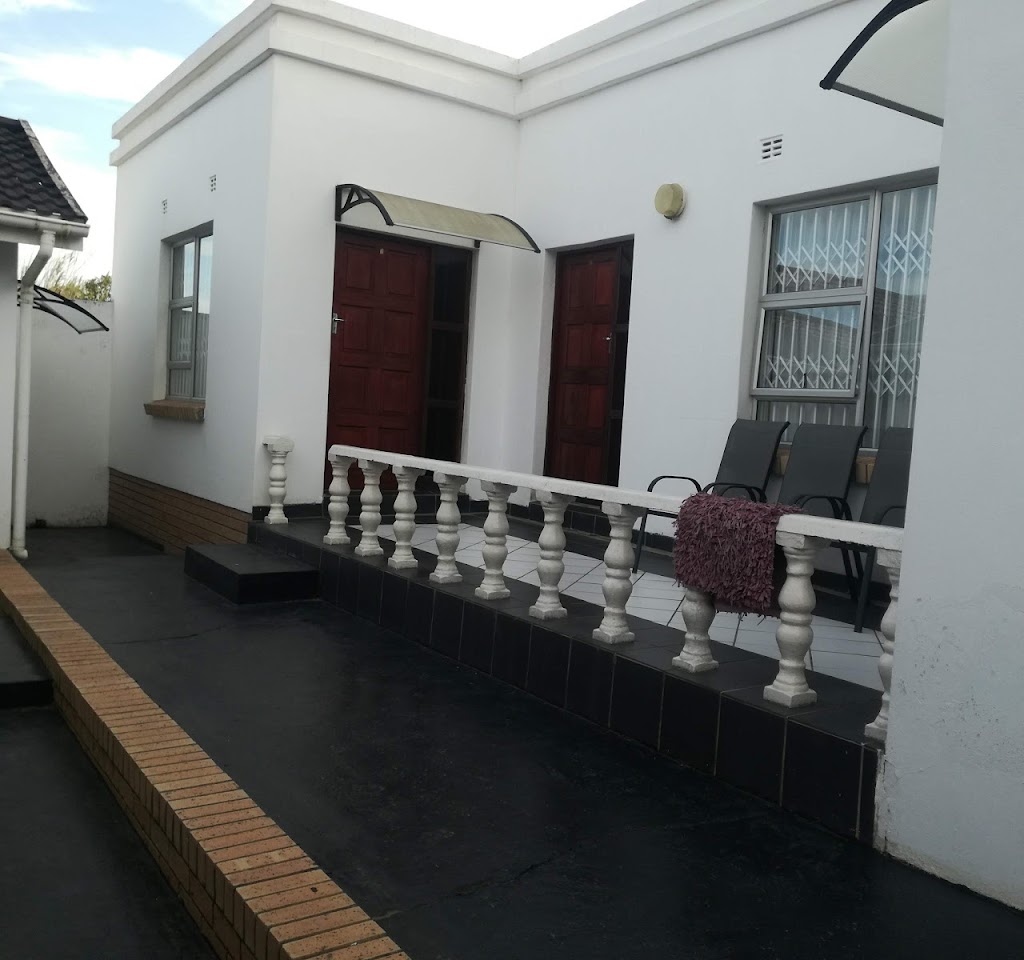
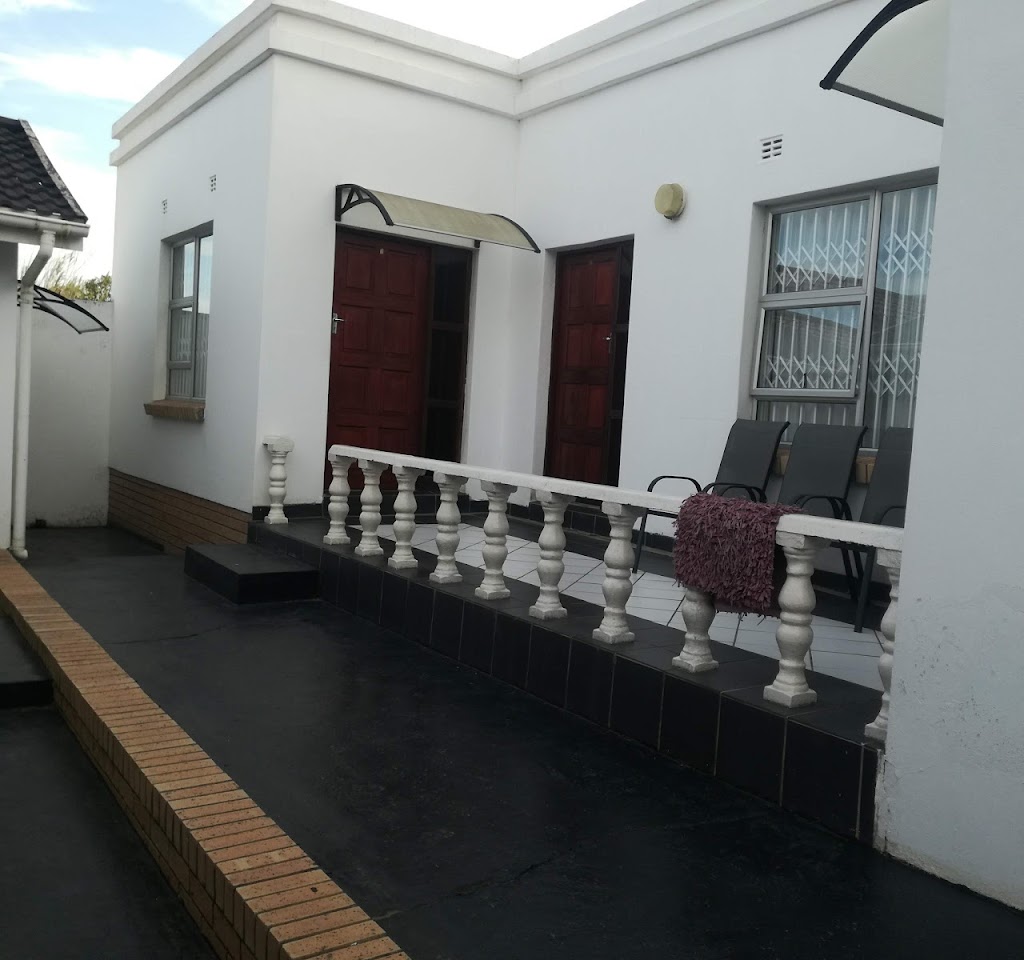
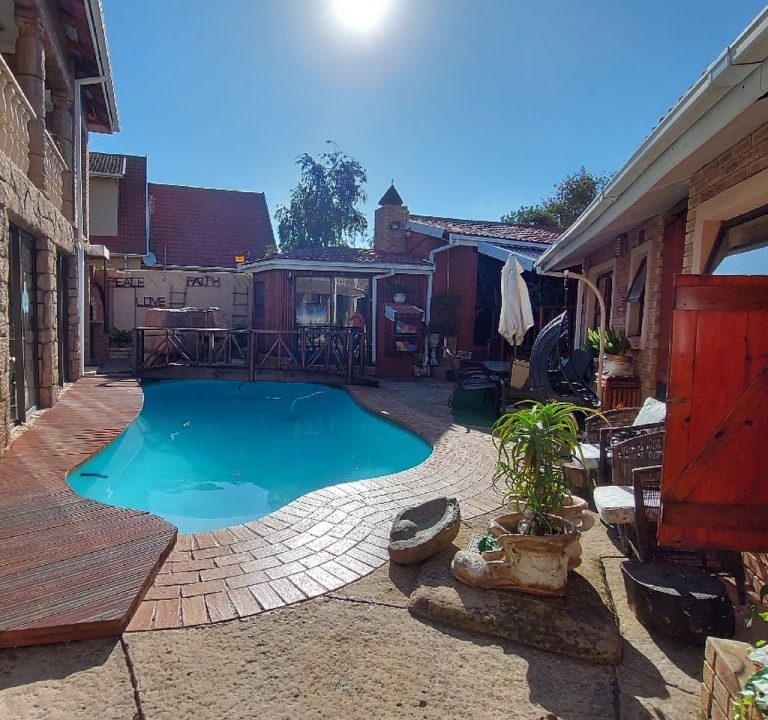
Typical amenities often found in well-regarded hostels, guesthouses and boutique lodges include comfortable beds with clean linen, ensuite or shared bathrooms, tea and coffee facilities, and a friendly, informed reception that can arrange tours or help with transport. Some properties offer shaded verandas, garden seating or pool areas for a relaxed break between activities. A few may have small shared kitchens or dining areas where guests can prepare simple meals. When comparing options, consider your need for privacy, the level of daily housekeeping, and whether breakfast or other meals are included as part of the stay.
Transport in and around Mthatha is straightforward but benefits from a little planning. Within town, taxis and minibuses are common modes for short hops, while car hire provides the most flexibility for exploring the district, especially if you want to visit coastal towns, nature reserves or historical sites at your own pace. If you’re arriving by road, the town is generally well connected to major routes, making self-drive an excellent option for a multi-day itinerary. For longer journeys, check public transport schedules in advance, and consider arranging airport transfers or hotel pickups through your accommodation to simplify your arrival and departure.
Best time to visit Mthatha and the surrounding region is defined by personal preference and the weather patterns of the Eastern Cape. The region experiences warm summers and mild winters, with most rainfall in the summer months. If you enjoy outdoor exploration—such as nature walks, river cruises, or coastal day trips—spring and autumn can offer pleasant temperatures without the peak heat of midsummer. For cultural heritage and wildlife experiences, plan some days around daylight hours to make the most of guided tours and scenic viewpoints. Always check local event calendars for markets, craft fairs or community fairs that may coincide with your stay.
Attractions and experiences in the area tend to be nature-forward and culturally rooted rather than mass-market. General highlights include historical sites and museums that tell stories of the region and its people, as well as nature reserves and pristine landscapes that support birdwatching, hiking and scenic drives. For dining, expect straightforward South African fare and modern dishes that showcase local ingredients. Rather than focusing on single venues, look for places that offer a comfortable setting, friendly service and easy access from your accommodation. A useful approach is to plan a mix of low-key days—relaxing at your guesthouse, followed by short excursions to nearby viewpoints, markets, or parks—and reserve more time for longer trips to coastal towns or nature reserves if you enjoy an immersive regional experience. Restaurants in the area are typically informal and family-friendly, with options ranging from casual cafés to more refined eateries; many will accommodate walkers and travellers with dietary preferences if you ask in advance.
- When booking, confirm whether breakfast is included and what time it starts.
- Ask about parking and access to public transport or car hire assistance.
- Check for Wi‑Fi reliability if you need to work or plan your days online.
- Request guidance from your host on day trips, safety tips and best routes for exploring nearby towns and beaches.
- Look for hosts who can offer tailored itineraries or recommendations based on your interests, whether you favour history, nature or food & culture.
For planning resources, consult regional tourism information and official visitor guides, which can provide current tips on routes, seasonal events, and suggested day trips. A stay in Mthatha can be as relaxed or as adventurous as you wish, with comfortable accommodation acting as a dependable base from which to discover the Eastern Cape’s vibrant towns, wildlife sanctuaries, and coastlines. For itinerary ideas, consider exploring the town’s historic narrative, taking short excursions to nearby coastal towns, and practising slow travel by lingering longer in a welcoming guesthouse that becomes a home away from home. For more information on Southern Africa travel, you can visit official tourism sites and regional guides via their websites.