East London, Eastern Cape: Accommodation, Attractions and Local Experiences
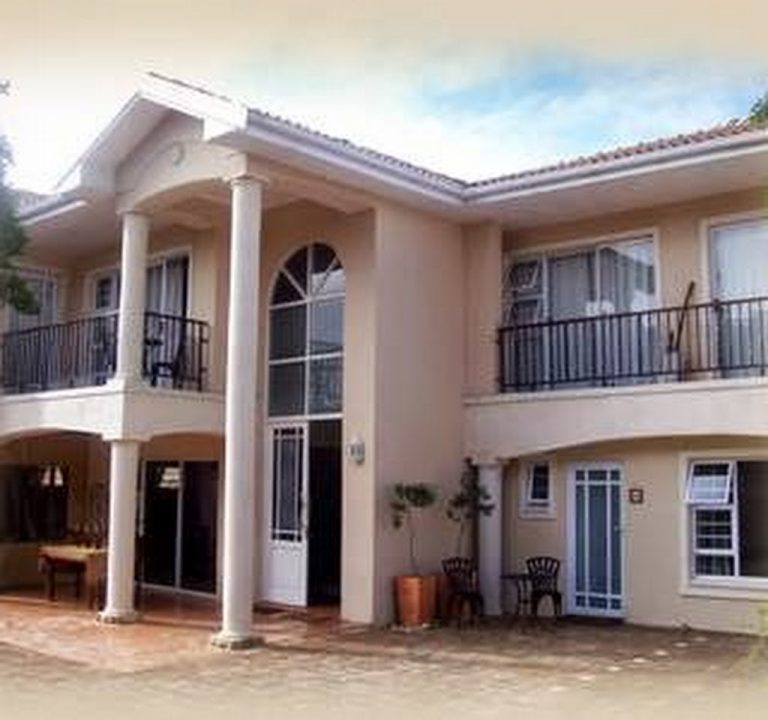
East London in the Eastern Cape offers a coastal city experience with a relaxed vibe, a glassy harbour, and easy access to remarkable beaches and nature reserves. When planning a stay, consider the areas that best fit your travel style—from beachfront stays with ocean sounds to inland sanctuaries close to parks and golf courses. River Suite, a well-regarded bed & breakfast option in the region, illustrates the kind of intimate, guest-focused stays that can set a more personalised tone for your visit.
Where to stay depends on what draws you most. The beachfront districts place you within a short stroll of the sea and the promenade, ideal for morning walks, sunset meals and easy access to water activities. The city centre is convenient for travellers who prioritise dining options, shops, and quick access to car rentals or guided tours. Suburban and leafy neighbourhoods offer a quieter base with garden settings and easier parking, often with secure, on-site facilities. When choosing a property, look for clear signage, on-site parking or nearby public transport, friendly hosts, and a straightforward cancellation policy. For longer stays, a self-catering option or a B&B with kitchen facilities can help you manage mealtimes and budgets more easily.
Typical amenities to look for include free Wi‑Fi, a comfortable workspace if you need to mix in some work, and informative guest guides or maps that highlight local markets, beaches, and parks. A continental or full breakfast can be a convenient start to busy days. If you’ll be exploring beyond East London’s city limits, check whether your accommodation offers secure parking, comfortable lounges, or even a pool to unwind after a day of sightseeing. Families often favour rooms with sofa beds or interconnecting options, while solo travellers might prioritise a warm reception and easy access to transit hubs.
Transport in East London is straightforward. The city centre is walkable in parts, but most visitors move by car or taxi to reach beaches, nature reserves, and day trips. If you’re driving, verify parking availability and whether there are any time restrictions in the area of your stay. For beach days or sunset strolls, consider a property that provides easy access to the waterfront promenade. If you prefer guided experiences, many local operators offer day trips to nearby reserves or coastal landmarks, and accommodation hosts can often arrange transfers or recommend reputable tours.
The best time to visit East London is influenced by your preferred activities. Summer (roughly November to February) brings warm sea breezes and long, sun-drenched days ideal for swimming and beach walks. Spring (September to November) and autumn (March to May) offer milder weather, making it pleasant for city sightseeing, nature walks and golf. Winter (June to August) can be cooler and windy, which is still suitable for coastal walks and cultural visits; just pack a light jacket. Water visibility is good in late summer for surfing and coastal explorations, while birdwatching opportunities flourish year-round in nearby reserves.
When planning your itinerary, consider a mix of the following experiences to balance relaxation with discovery:
- Coastal strolls along the promenade and beach access points for sunrise or sunset.
- Visits to parks and nature reserves offering easy gradients, wildlife viewing, and short, family-friendly trails.
- Casual dining at local spots that showcase South Africa’s diverse culinary influences, with emphasis on seafood, grilled flavours, and fresh produce.
- Markets and craft hubs where you can discover handmade goods and local produce.
- Guided cultural or historical tours that provide context to the region’s coastal heritage and urban development.
Booking considerations and practical tips:
Look for guesthouses or B&Bs with clear photos and candid guest reviews. Check the cancellation policy, housekeeping schedule, and whether breakfast is self-serve or hosted. For longer stays, confirm laundry facilities and kitchen access. If you have accessibility needs, ask about step-free entrances, elevator access, and removable seating options in shared spaces.
Smart planning can help you stretch your budget. Compare properties with similar amenities, and factor in parking or proximity to public transport. Some guests prefer a central location for easy access to bars and restaurants, while others prioritise a quieter street or garden outlook. If you’re visiting with a vehicle, a property with on-site parking is a practical advantage, but confirm any height restrictions if you plan to travel with a larger vehicle or caravan.
Dining and local flavour are integral to the East London experience. In many areas, guesthouses and hotels will offer breakfast or light meals, but there are ample independent cafés, bistros and casual eateries nearby. For a balanced visit, plan to try a couple of lunch spots near the coast and a get-together dinner at a restaurant that highlights regional seafood or grill-based dishes. Always check current hours and whether advance bookings are advisable, especially on weekends or during holiday peaks.
For a practical planning base, a few reputable sources you might consult include regional tourism pages and property listings that outline neighbourhood highlights, transport routes, and available facilities. Consider pairing a couple of nights in a beachfront area with a mid-stay stay in a city-centre property to experience both the sea and urban flavours of East London. With careful selection, your stay can be comfortable, convenient, and well aligned with the warmth and hospitality the region is known for.
Whether you choose a stylish bed & breakfast like River Suite or a contemporary hotel with city views, East London offers a friendly, vibrant gateway to the Eastern Cape’s coastline. Plan with flexibility, respect local schedules, and you’ll discover a balanced itinerary that feels both relaxed and authentically South African.