Stellenbosch: A Guide to Stay, Eat and Explore in the Western Cape
Stellenbosch, a historic university town set beneath the Boland mountains, offers a compelling blend of wine country charm, cultural heritage, and easy access to coastal splendour. Whether you’re seeking a boutique hideaway, a family-friendly guesthouse, or a refined hotel, the town’s accommodation reflects a focus on comfort, character and hospitality. Planning a stay here means balancing quiet countryside moments with easy access to the village streets, vineyards and hiking trails that characterise the region. For those seeking a touch of luxury, River Manor Boutique Hotel presents a refined option within reach of Stellenbosch’s best experiences, and further details can be explored on their official site: https://www.rivermanor.co.za/.
Areas to consider when choosing where to stay:
- Central Stellenbosch: Staying in the town centre provides immediate access to museums, galleries, wine-tasting venues and a concentration of restaurants. It’s ideal for guests who want to stroll to venues and explore on foot.
- De Warenkloof and Simondium corridors: A short drive from town, these areas bring vineyard serenity, larger estate properties, and more expansive grounds. They suit travellers seeking a tranquil backdrop with the convenience of a short drive to town.
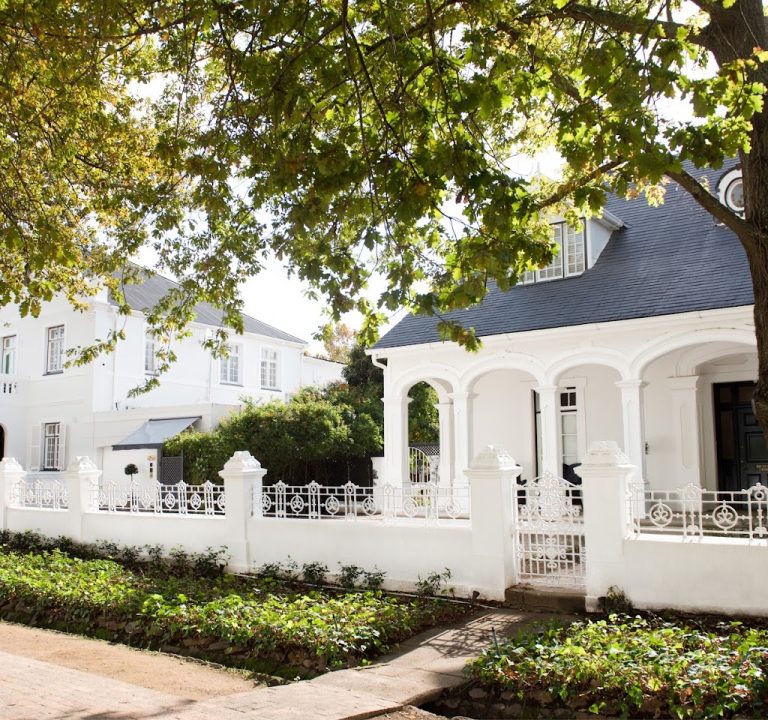
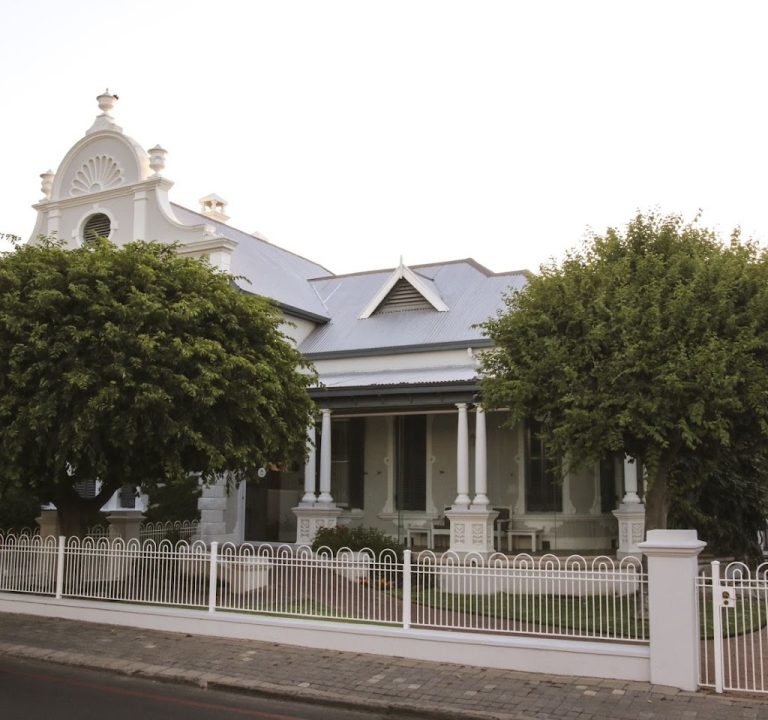
- Historically styled guesthouses: Several properties in the area protect architectural character while delivering modern comfort. If you enjoy period features, look for well-preserved details alongside contemporary en-suite facilities.
What to look for when booking:
- Comfortable en-suite rooms with adequate storage and reliable heating or cooling for the season you visit.
- Clear indications of parking options, especially if you’re renting a car. Proximity to main roads or a town centre can influence travel time and convenience.
- Guest facilities that support longer stays: reliable Wi‑Fi, a well-equipped coffee or tea station, and a daily cleaning schedule that suits your plans.
- Dining options on site or within a short stroll, including breakfast offerings or easy access to nearby cafés and bistros.
- Health and safety standards, including clean room ventilation and secure access to the property.
Typical amenities you can expect in Stellenbosch accommodation include:
- Well-appointed ensuite bedrooms, some with private balconies or courtyard access.
- Common spaces such as lounges, libraries or verandahs that invite a relaxed pace and socialising with fellow travellers.
- Outdoor spaces for sunbathing or sunset viewing, often paired with wine-tasting views or vineyard strolls.
- On-site or nearby eateries offering hearty breakfasts, light lunches, and dinner experiences that showcase regional flavours.
- Conveniences such as secure parking, generous luggage storage, and assistance with arranging tours or transfers.
Transport and getting around:
Stellenbosch is well suited to car travel, with most attractions spread along scenic routes through vineyards and rolling hills. If you prefer not to drive, many guesthouses and hotels can arrange transfers or recommend trusted local drivers. The town centre is compact enough to explore on foot or by bicycle, and there are public transport options for longer day trips into the surrounding winelands or coastal towns. When planning longer day trips, it helps to cluster visits by geography to reduce backtracking and to optimise time at vineyards, nature spots and historic sites.
Best time to visit and what to expect:
The Western Cape enjoys a Mediterranean climate with warm summers and mild winters. Peak vineyard activity typically aligns with harvest season in late summer and autumn, offering atmospheric scenery, colour-washed landscapes and the opportunity to observe winemaking processes. Spring brings fresh greenery and colourful blooms, while winter can be quieter in town but perfect for cosy accommodation with fireside corners. If you’re planning outdoor activities such as hiking or cycling, choose a period with mild temperatures and stable weather patterns, and always check local forecast updates before setting out.
Practical tips for a smooth stay:
- Book ahead during peak travel periods, especially if you have a preferred property or wish to include wine-tasting experiences as part of your itinerary.
- Pack adaptable layers to cover warm days and cooler evenings, particularly in transitional seasons.
- Bring comfortable walking shoes for town streets and vineyard paths, plus a light waterproof layer for sudden showers.
- Sample a range of eateries by planning a gentle circuit: a breakfast venue, a wine estate restaurant for lunch, and a cosy bistro for dinner, leaving time to wander around galleries or the university precinct.
- Respect local rules at guesthouses and estates, including check-in/check-out times and rules regarding noise and shared spaces.
Cultural and recreational highlights to consider during a stay:
- Wine estates with scenic cellars and wine-tasting experiences, often accompanied by light bites and gardens.
- Museums and art galleries that showcase regional history, science and contemporary craft.
- University town culture with heritage architecture, markets and streets lined with cafés and small shops.
- Nearby nature routes, including river or mountain trails, offering birdlife spotting and panoramic viewpoints.
- Restaurants and markets that emphasise seasonal produce and local ingredients, enabling diners to explore familiar South African flavours in a refined setting.
To start planning, consider a stay that balances a comfortable base with convenient access to wine estates, town amenities and outdoor activities. For a refined option within a traditional setting, River Manor Boutique Hotel provides a curated experience in the area, and further details can be found on their website: https://www.rivermanor.co.za/.