Knysna: A Practical Guide to Accommodation, Areas, and Local Experiences
Knysna, perched beside a shimmering lagoon and framed by the Outeniqua Mountains, offers a welcoming mix of boutique stays, guesthouses and lodges that suit a range of budgets and travel styles. Whether you are drawn to a peaceful waterfront retreat, a cosy village bed-and-breakfast, or a stylish lodge with panoramic views, planning a stay in Knysna is less about chasing glamour and more about finding a comfortable base from which to explore the region’s natural beauty and laid‑back dining scene.
When choosing where to stay, think about what you want to be close to. The town centre and the Knysna Waterfront are convenient for walkers and diners who prefer to stroll to restaurants and cafés. If you favour easy access to the water and striking views, look for properties near the lagoon or along the coastline around the Rexford area, which is known for its quiet residential character. For a more secluded escape, consider lodges or B&Bs tucked into forest-fringed lanes or perched above the lagoon, offering a sense of privacy without sacrificing essential services.
Accommodation in Knysna commonly ranges from intimate bed‑and‑breakfasts to boutique hotels and family‑run guesthouses. Typical amenities to expect include en‑suite bathrooms, complimentary breakfast, and free Wi‑Fi. Some properties offer additional features such as private balconies, courtyard gardens, outdoor seating on sun decks, or access to shared lounges with books and map libraries. If you will be travelling with a vehicle, check whether the host provides on‑site parking or convenient street parking nearby. For guests relying on public transport, look for locations that are a short taxi or ride‑share ride from the waterfront, town centre, and any chosen day trips.
Transport within Knysna and the surrounding area is relatively straightforward. The town is compact enough to explore on foot in pleasant weather, particularly for waterfront strolls and short café hops. A car is convenient for day trips to nearby nature reserves, viewpoints, and forest trails. If you plan to use taxis or ride‑shares, choose a base with reliable access and consider asking hosts for recommended local operators. When arranging longer excursions, many visitors book guided tours or private drivers to navigate the coastal routes and forested back roads safely and comfortably.
The best time to visit Knysna depends on your priorities. The summer and shoulder seasons offer warm days ideal for lagoon activities, boat trips, and outdoor dining. Winters tend to be cooler and can bring crisp mornings, which are perfect for forest walks and quieter experiences away from peak crowds. Rain is possible at any time of year, so packing a light waterproof layer is sensible. If you enjoy daylight hours for photography or outdoor exploration, plan your outings to align with favourable tides and weather forecasts, particularly for coastal viewpoints and boat trips on the lagoon.
In terms of planning, a practical approach is to build your stay around a couple of anchor experiences and then fill in with relaxed days in town. Start with a comfortable home base where breakfast is taken care of, then allocate mornings for nature-based activities such as forest walks or coastal viewpoints, and reserve afternoons for waterfront strolls, markets, or spa‑like relaxation back at your accommodation. Booking in advance is advisable during peak travel periods and school holidays, especially for popular B&Bs or small boutique properties where availability can be limited.
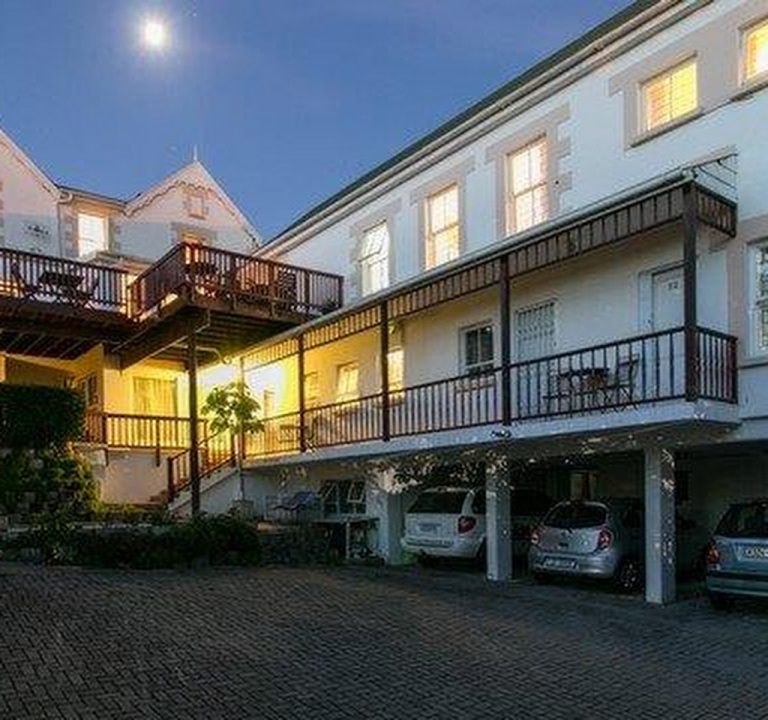
Rexford Manor, a bed‑and‑breakfast in the Rexford neighbourhood, exemplifies the kind of intimate stay that pairs homely comfort with convenient access to both water activities and forest trails. While every property has its own personality, guests typically appreciate a friendly welcome, well‑appointed rooms, and a hearty, locally sourced breakfast to set them up for the day’s plans. If you choose a stay like Rexford Manor, you’ll often find helpful local tips on dining, day trips, and hidden viewpoints that aren’t always obvious to first‑time visitors.
- How to plan the stay: identify 2–3 must‑do activities (for example, a lagoon cruise, a coastal viewpoint, and a forest trail) and then slot them around a day with a relaxed town centre stroll and a fine‑dining or casual riverside meal.
- What to look for when booking: generous breakfast options, clear cancellation policies, easy access to parking or transport links, and a generous knowledge of local attractions from the host.
- Practical tips: confirm what the property provides (tea/coffee, towels, hairdryer, extra blankets), ask about nearby eateries with flexible hours, and check the weather forecast to plan outdoor activities accordingly.
Talking of dining and local experiences, Knysna offers a broad spectrum of places to eat that range from relaxed cafés beside the lagoon to contemporary bistros in the town centre. Many dining venues focus on seafood and regional produce, with menus crafted to showcase the Cape’s seasonal flavours. For visitors keen to add culture to their itinerary, guided nature walks, forest excursions, and small‑group tours can offer insightful ways to understand the region’s unique ecology, geology, and maritime heritage, without needing to travel far from your base.
To summarise, a stay in Knysna thrives on thoughtful accommodation choices, a flexible plan that balances activity with downtime, and a readiness to explore both the water’s edge and the forest’s shade. With comfortable B&Bs and guesthouses, reliable transport options, and a welcoming dining and nature‑driven scene, Knysna makes for an itinerary that is restorative, scenic, and memorable for all kinds of travellers.