Accommodation and Attractions in Newcastle, KwaZulu-Natal: A Practical Guide for Travellers
Newcastle, perched on the highveld edge of KwaZulu-Natal, offers a friendly base for visitors who want a relaxed mix of outdoor scenery, local history and convenient access to the Midlands and surrounding valleys. When planning a stay, think about what pace you want and which areas will shorten your daily travel while still giving you a sense of local life. A comfortable guest house, a well-run B&B or a small hotel can set the tone for a restful visit, especially after a day of exploring or hitting the greens at nearby courses.
Where to stay is often central to how you experience Newcastle. The central business district provides easy access to shops, cafes and services, with several guest houses and small hotels offering a personalised welcome. Suburban pockets that radiate outwards can feel quieter, with leafy streets and more spacious rooms. If you favour a countryside ambience, look for properties on the outskirts where views extend over valleys or rolling hills. For those who appreciate a mix of culture and heritage, consider staying within walking distance of historic streets and local markets.
What to look for when booking helps you avoid surprises. Prioritise genuine guesthouse or boutique-hotel experiences that emphasise tidy, well-maintained rooms and thoughtful common areas. Check whether your host offers dependable Wi-Fi, secure parking, and straightforward accessibility. If you’re travelling with a family or a larger group, a suite or a property with multiple rooms can ease logistics. For travellers seeking a more intimate stay, a well-run guest house with a friendly owner-operator can offer superb local knowledge, personalised recommendations, and practical tips for getting around.
Typical amenities to consider include a comfortable bed with quality linen, a private or en-suite bathroom, a well-equipped refreshment station, and a reliable hot-water supply. Breakfast is a popular feature in many guest houses and small hotels, with options ranging from continental to heartier cooked choices. For longer stays, a kitchenette or access to a shared kitchen can provide flexibility. Laundry facilities, a secure space for luggage, and good heating or cooling are worth checking, especially given the seasonal shifts in KwaZulu-Natal weather. If you plan day trips, ask about early breakfast options or packed-lunch arrangements.
Transport in and around Newcastle is straightforward but benefits from a little planning. The town is walkable in parts, with taxis and ride-hailing services available for longer hops. If you’re hiring a car, inquire about secure parking and convenient access to main routes that lead to the surrounding countryside, battlefields and nature reserves. For those staying outside the town centre, a car becomes especially convenient, allowing easy day trips to nearby towns and scenic viewpoints. Public transport exists, but schedules can be less frequent than in larger cities, so it’s wise to map out your days with a rough timetable in mind.
Best time to visit Newcastle is influenced by climate and activities. The region enjoys warm summers with afternoon showers and cooler, crisp winters. If you’re drawn to outdoor pursuits—hiking, gazing at landscapes, or visiting farmland and markets—the spring and autumn months offer pleasant temperatures and lower rainfall. For golf lovers or those seeking scenic drives, shoulder seasons often present calmer courses and quiet streets. Pack layers for cool mornings and evenings, and bring a light rain jacket for sudden bursts of showers in the wetter months.
A practical plan for your stay might include a balance of rest days and light sightseeing. Start with a day in the town centre to explore boutiques and eateries, followed by a visit to a local museum or cultural venue to gain context about the area’s history. If you’re staying near a park or reserve, set aside a morning for a walk or short hike to enjoy the surrounding countryside before the day heats up. An afternoon in a nearby wine or farming region can offer a different facet of KwaZulu-Natal life, though it’s always best to verify access and opening times ahead of your visit.
In terms of dining, Newcastle hosts a range of eateries from cosy cafés to more substantial restaurants offering classic South African favourites and international dishes. Don’t miss opportunities to try hearty, homely meals that reflect local produce and kitchen traditions. When planning where to eat, consider booking ahead for popular spots, especially on weekends or during market days. If you prefer staying in, many guest houses and small hotels provide recommendations for reliable local venues and can often arrange a dining plan or a private meal experience.
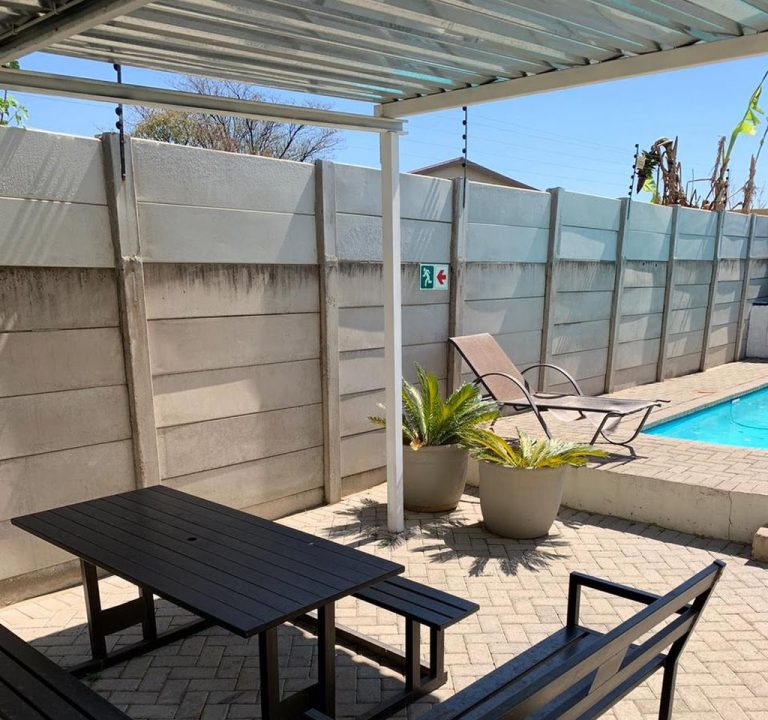
One example of a welcoming option in the area is Rest and Vibe guest house, a small-scale property that aims to offer a relaxed stay with easy access to local attractions and services. While each guest house has its own character, look for a warm reception, clean rooms, and clear guidance on local transport and day trips. If you’re curious about other stays, you’ll find a variety of sizes and settings—from stylish rooms with modern comforts to the more intimate charm of traditional guest houses—each offering a doorway into Newcastle’s laid-back hospitality and regional hospitality culture.
Practical tips to round off your planning:
- Book early for weekends or school holidays to secure your preferred area and room type.
- Ask hosts for top day trips and their best transport routes for the time of year you’re visiting.
- Check energy and climate controls in the room to ensure comfort during hot days and cooler nights.
- Carry cash or confirm the availability of card payments where local shops or markets operate more on a cash basis.
- Pack a small umbrella or light rain jacket, particularly if visiting in spring or autumn.
With a thoughtful choice of accommodation and a plan that blends relaxation with gentle exploration, a visit to Newcastle, KwaZulu-Natal, can be both easy and rewarding. You’ll find friendly hosts, pleasant rooms, and a sense of openness that makes it easy to slow down, notice the small details, and enjoy a southern African experience that feels authentically local.