Accommodation and Experiences in Cape Town: Where to Stay and What to Do
Cape Town and its surrounds offer a rich tapestry of places to stay, from intimate lodges tucked into parks to stylish boutique guesthouses along bustling avenues. When planning a visit to the Western Cape, consider how your accommodation will shape your daily routine, access to transport, and your overall sense of place. For a laid‑back start, you might choose a lodge in a quieter neighbourhood such as the eastern suburbs, while for easy access to iconic sights, staying near the city bowl, the Atlantic Seaboard, or the harbour area can be particularly convenient.
Areas to consider
Atlantic Seaboard and the V&A Waterfront provide spectacular sea views and easy access to long, scenic walks, cafés and seafood restaurants. The City Centre offers a convenient base for exploring museums, markets, and historic streets on foot, with a growing number of stylish hotels and guesthouses that put you within reach of business hubs and nightlife alike. The Constantia Valley, Newlands and surrounding hills present leafy, quieter pockets with boutique stays and vineyards nearby for day trips. For a more residential vibe, areas such as Ndabeni, Woodstock, and Observatory offer characterful lodges and guesthouses with convenient transport links to the city centre and major routes out to Cape Point and the Cape Winelands. If you’re travelling with family or a group, consider properties that provide a little extra space—self-contained suites, separate living areas, or small kitchens can make a big difference to comfort and budgeting.
What to look for when booking
Key factors include location relative to your planned activities, access to reliable transport, and whether the property offers convenient arrival and check‑in arrangements. Read reviews with a critical eye for consistency—noise levels, privacy, and host responsiveness often surface as important details. Check for amenities that suit your plan: reliable Wi‑Fi, secure parking, a guest lounge, or outdoor spaces for al fresco meals. Note the type of bedding and room layout, particularly if you are travelling with children or need twin beds or a sofa bed. For lodge-style stays, ask about daily housekeeping, hot meals, and whether your host can assist with arranging guided walks or experiences nearby. If you hope to explore wine routes, look for lodging that can arrange transfers or partner with trusted drivers.
A typical Cape Town stay blends comfort with practicality. Expect en‑suite bathrooms in much of the more contemporary accommodation, television or entertainment options, and cooling or heating systems appropriate to the season. Many properties offer breakfast included or accessible kitchen facilities for a lighter, flexible start to the day. Some lodges and guesthouses also provide common terraces, gardens, or plunge pools that allow for a relaxed pause between activities.
Transport and getting around
Public transport in Cape Town is expanding, but many visitors still rely on private cars, ride‑hailing apps, or guided transfers for convenience. If you plan to chase the sunrise to Table Mountain or make an early escape to the Cape Peninsula, staying closer to the city or the Atlantic Seaboard can reduce travel time. For longer day trips—such as the Constantia wine route or the Cape Point coastline—consider accommodation with flexible start times or access to a trusted driver or tour operator. If you prefer to rely on public transport, look for lodges with good access to bus routes or near major taxi hubs, and be prepared for the occasional wait during peak periods.
Best time to visit and practical tips
Cape Town’s climate varies with the seasons. The summer months (roughly November to March) are warm and dry, perfect for outdoor activities and beaches, but can be busy and more expensive. Spring (September to November) and autumn (March to May) offer pleasant weather and fewer crowds, ideal for hiking and city exploration. Winter (June to August) brings cooler days and occasional rain, yet the surrounding winelands and seals of the Atlantic coast remain compelling. Pack layers, sunscreen, a hat, and sturdy walking shoes, as many attractions require some uphill walking or uneven paths. For beach days, bring a swimsuit and a light cover‑up, and always stay aware of local safety guidance when visiting busy market areas or waterfronts.
Attractions and experiences (in general terms)
Around Cape Town, you will find a blend of natural wonders and cultural experiences. Iconic landscapes offer scenic viewpoints, cable‑car escapades, and coastal drives that present a sense of vast openness. Museums, galleries, and markets provide insight into the city’s history, craft traditions, and contemporary design. Dining ranges from casual bistros to refined eateries focusing on seafood and modern South African flavours. For planning, you can consult official tourism resources for up‑to‑date guidance on exhibits, routes, and seasonal offerings. Consider combining a stay with guided walks, sunset cruises along the harbour, or a day trip to nearby coastal towns or the winelands region via organised tours or balanced self‑driven itineraries. For more inspiration, see Cape Town’s official visitor information pages at reputable travel sites.
Practical planning checklist
- Choose an area based on your daily plans: beaches and views, or city access and nightlife.
- Balance the stay with the right level of services: breakfast, housekeeping, and on‑site facilities.
- Factor travel time into daily plans to maximise time at attractions and restaurants.
- Prepare for variable weather with layers and flexible outdoor activities.
- Use reputable transport options or arrange guided experiences for regional trips.
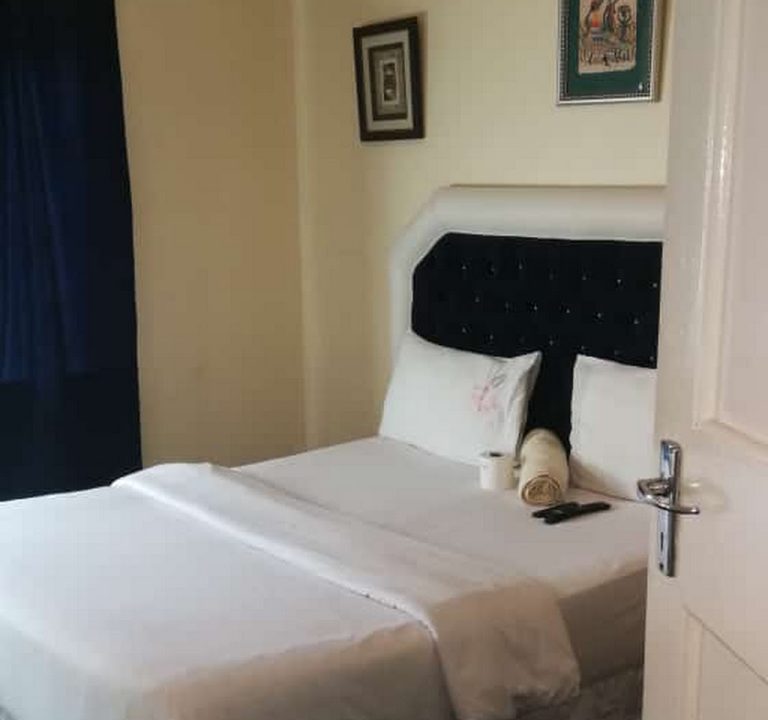
Relaxing Guest House in the Heart of Ndabeni presents a practical example of the kind of lodge you might encounter in the area: a welcoming base with easy access to main routes, comfortable rooms, and often thoughtful local touches that help you settle in quickly. For more inspiration on where to stay and what to do, you can explore official tourism resources like Cape Town tourism or the broader Western Cape visitor pages. With careful planning, a stay in Cape Town can be as restful as it is adventurous, giving you a sense of the city that lingers long after you have rolled up your suitcase.