Accommodation and Experiences in Mbabane, Eswatini: Planning a Traveller-Friendly Stay
Mbabane, the capital of Eswatini, sits high on the western edge of the Mdzimba Mountains, offering a refreshing climate, easy access to nature, and a vibrant urban scene. A well-rounded visit often blends comfortable stays with opportunities to explore nearby nature reserves, markets, and eateries that reflect Swazi hospitality. When planning a stay in Mbabane, consider the neighbourhoods you’d like to base yourself in, typical amenities on offer, transport options, and how you hope to pace your days.
Areas to consider
- Central Mbabane and suburbia: This area provides convenient access to shops, banks, and restaurants, and serves as a practical base for urban explorers who value walkable services and a shorter drive to surrounding attractions.
- Green, leafy outskirts: If you prefer a tranquil retreat, look for hotels or guesthouses set in gardens or on hillside plots with views over the city or valley. These locations often offer a quieter atmosphere with easier access to scenic walks.
- Near the edge of town: Some properties sit closer to the escarpment or rural roads, giving visitors a sense of being on the threshold of the Swazi countryside while still being within reach of Mbabane’s amenities.
What to look for when booking
- Bed quality and privacy: Check reviews for comfortable beds, good insulation, and soundproofing, especially if you are a light sleeper or visiting during peak tourist seasons.
- Amenities that suit your pace: A reliable hot shower, air conditioning or ceiling fans, a secure parking area, and an on-site restaurant or room service can significantly ease daily planning.
- Practical conveniences: Free Wi-Fi, adequate power outlets, and the availability of laundry facilities or services are particularly helpful for longer stays.
- Transport access: Look for properties with easy access to main roads, reliable transfer options, or proximity to bus routes or taxi services.
- Safety and security: Enquire about 24-hour reception, gated parking, and well-lit common areas, especially if you will be out early or late.
Typical amenities and experiences
- Comfort-focused lodging: Expect rooms with en-suite bathrooms, daily housekeeping, and often communal lounges or gardens. Many properties in and around Mbabane offer breakfast options, and some provide half-board arrangements.
- Dining and social spaces: An on-site restaurant or cafe can be convenient for days when you’d rather not cook. However, Mbabane also has a variety of eateries within short drives or walks, ranging from casual diners to more refined establishments.
- Outdoor spaces: Gardens, terraces, and viewpoints are common, giving guests a place to unwind after day trips. Some properties provide curated maps or guidance for nearby trails.
- Local guidance: Hosts or concierge services can point you toward nearby markets, crafts outlets, and day trips, helping you connect with Swazi culture without heavy planning.
Transport and getting around
- Car hire and self-drive: Owning a vehicle or hiring one is often the most flexible way to explore the region, including day trips to royal villages, viewpoints, or nature reserves.
- Taxi and ride services: Local taxi operators and ride-sharing options can be convenient for short jaunts into town or to specific attractions.
- Public transport: Buses connect Mbabane with other centres in Eswatini, but schedules may vary, so it’s wise to confirm timings in advance.
- Walking options: Mbabane’s central areas are walkable for short distances, making a compact stay pleasant if you enjoy street life, markets, and coffee stops.
Best time to visit and practical tips
- Seasonal considerations: The dry season from May to September is pleasant for outdoor activities and exploring viewpoints, while the rainy season (roughly November to March) brings lush scenery; pack a lightweight rain jacket and be prepared for afternoon showers.
- Packing essentials: Layered clothing, comfortable walking shoes, sun protection, and a small daypack for excursions work well for most itineraries.
- Money and payments: While many places accept card payments, small vendors and markets may favour cash. Keep some local currency handy for markets and casual stops.
- Health and safety: Stay hydrated, use reliable sun protection, and follow local guidance for outdoor excursions. If you plan to visit reserves, check current access rules and guided-tour options.
A note on accommodation options
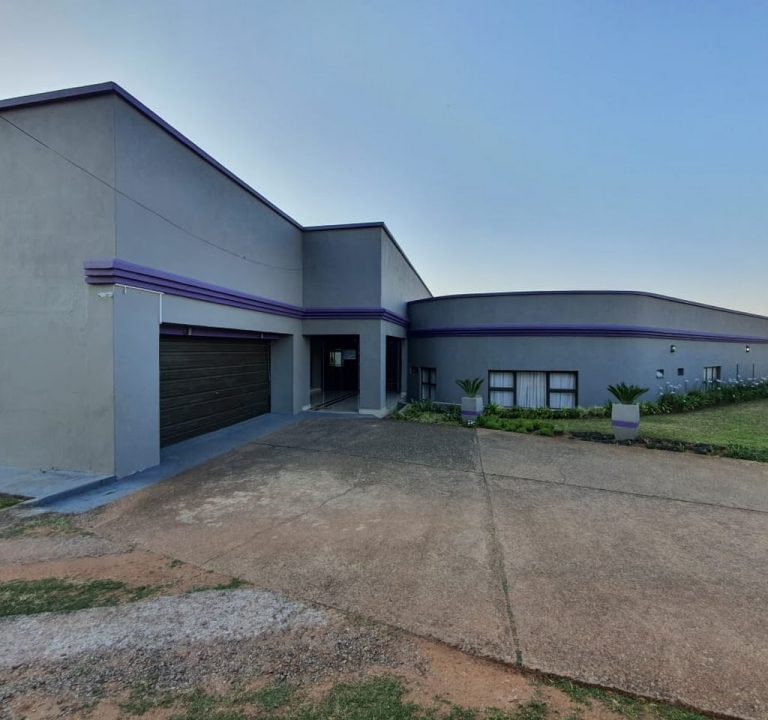
Mbabane offers a range of stays from boutique hotels to guesthouses and lodges. For a reliable base with solid access to the city and surrounding sights, consider properties that publicise clear cancellation policies, transparent pricing, and guest services. One example of a well-positioned base for varied itineraries is Rehoboth Mountain Suites, which provides accommodation options suitable for travellers looking to balance comfort with convenient access to the area’s attractions. Visit their official site for full details on rooms, features, and availability: http://www.rehobothmountainsuites.com/
Attractions and dining in general terms
- Nature and outlook: The region offers opportunities for scenic viewpoints, short hikes, and easy nature walks that connect visitors with Eswatini’s red-soiled landscapes and greenery.
- Cultural and craft experiences: Markets and small galleries offer chances to observe and purchase local crafts, textiles, and artwork, while guided visits can provide context about Swazi traditions.
- Food and drink: In Mbabane, travellers can expect a mix of casual cafés and more atmospheric dining options, with meals that showcase local ingredients and flavours alongside international dishes. Ducking into a reputable local eatery can be a highlight of any stay.
If you are planning a stay that balances comfortable lodging with easy access to both urban conveniences and natural beauty, Mbabane provides a flexible base. With thoughtful booking choices, practical transport planning, and awareness of seasonal changes, you can tailor a stay that fits your pace, whether that means long, relaxing evenings on a balcony or energetic days exploring the Eswatini highlands.