Staying in Qonce, Eastern Cape: a traveller’s guide to accommodation, attractions and dining
Qonce, formerly known as King William’s Town, sits on the banks of the Buffalo River in the Eastern Cape. It is a gateway to the broader Amatole region, where rolling hills, country lanes and a warm welcome combine to create a relaxed base for exploring the area. When planning a stay, think about your preferred pace, how much time you want to spend in town versus venturing to surrounding nature reserves, and how you’ll get around. A mix of guesthouses, B&Bs and small hotels can offer a comfortable base with easy access to sights, markets and eateries.
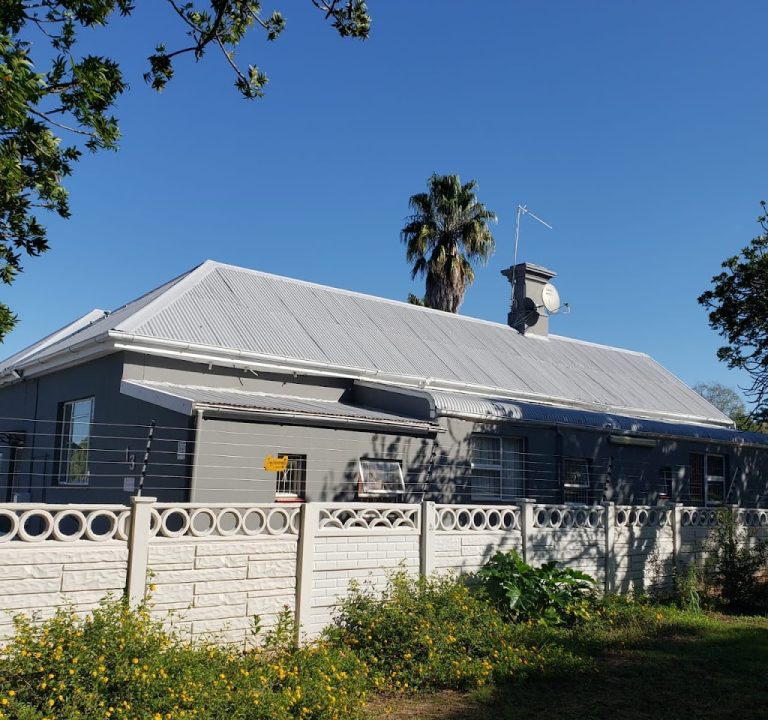
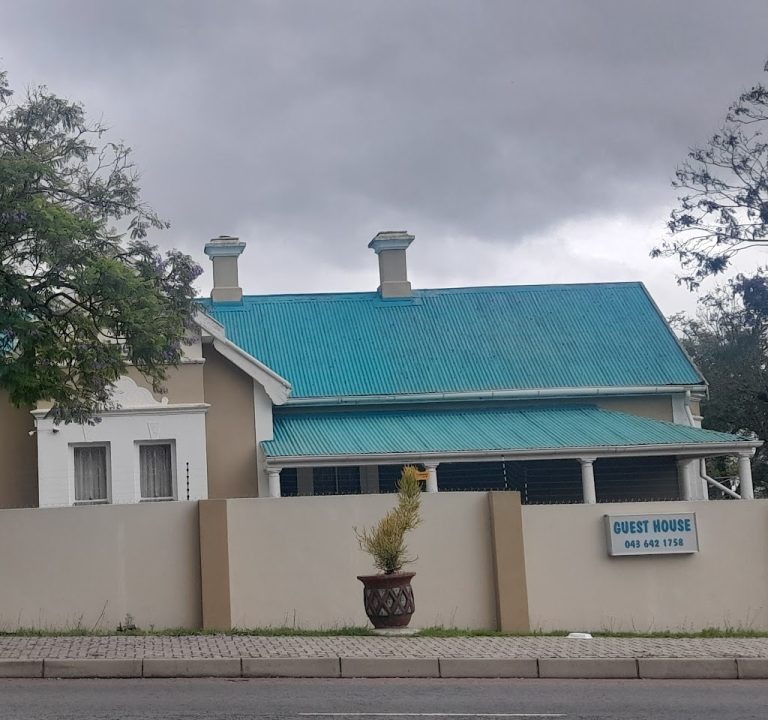
Accommodation here ranges from traditional bed-and-breakfasts to contemporary guesthouses. Look for properties that emphasise local character—think en-suite rooms, generous breakfasts, and communal spaces where guests can swap tips about their day. Many establishments in Qonce offer secure on-site parking, reliable Wi‑Fi, and flexible dining options for early starts or late returns from day trips. If you’re visiting with family or a small group, consider a guesthouse that provides family rooms or self-contained suites, as these can offer extra space and privacy without sacrificing hospitality.
When choosing where to stay, consider the area and what you want to access day-to-day. The town centre puts you within easy reach of local markets, historical sites and cafés, while a riverside or suburban edge location may provide quieter surroundings and more garden space. Proximity to main roads or taxi hubs can simplify travel if you plan to explore further afield. If you’ll be doing long day trips, a central base with straightforward access to main routes is often convenient, but a more tranquil location on the outskirts can be ideal for slower mornings and longer evenings in a pleasant setting.
Typical amenities you can expect include comfortable beds with quality linen, daily housekeeping, and a hearty breakfast featuring local flavours. Some properties offer additional conveniences such as en-suite bathrooms, toiletries, tea and coffee facilities, and well-equipped communal areas for relaxing or planning the next day’s itinerary. A few may provide bookable guided experiences or help arranging day tours to nearby attractions. Always check policies on check-in times, early breakfasts, and whether you can request special dietary options if required.
Transport in and around Qonce is straightforward, though it pays to plan ahead. If you’re driving, confirm on-site parking and access points to main roads. For travellers without a car, look for guesthouses that are near taxi ranks or bus stops, or that offer arranged transfers. Hiring a car gives you the flexibility to explore the Amatole region at your own pace, visiting rural villages, viewpoints and nature trails on days when you’re not enjoying amenities at your base. If you prefer public transport, verify the frequency of local services and walking routes from your accommodation to the town centre or key sights.
The best time to visit Qonce aligns with your preferred climate and energy for outdoor activities. Spring and autumn tend to offer mild temperatures and comfortable days for walking and exploring. If you enjoy wildlife or longer day trips into the surrounding landscapes, plan for good weather windows and consider the potential for heavy rains in the wetter months. Packing a light jacket for cooler evenings and comfortable walking shoes will help you make the most of outdoor outings, whatever the season.
In terms of dining and social immersion, you’ll find casual cafés, bakeries and eateries offering hearty breakfasts and light lunches, with longer restaurant hours in the evenings in town. Many places celebrate local produce, so plan a couple of relaxed meals where you can sample regional flavours or dishes described by locals as favourites. If you’re staying in a B&B or guesthouse, ask for recommendations; hosts are often well placed to point you toward markets, street-food stalls and family-run diners that provide authentic experiences without formal menus.
Touristy experiences tend to cluster around nature, heritage and culture. Expect opportunities to learn about the region’s history at local museums or historical sites, stroll along river paths, and visit nearby nature reserves or viewpoints. Markets and craft stalls can provide a glimpse into regional crafts and everyday life, offering a chance to pick up small, thoughtful souvenirs. For a more relaxed day, arrange a guided stroll or a short countryside excursion with your host or a local operator, who can tailor the outing to your interests and fitness level.
Practical planning tips:
- Book in advance during peak travel periods and school holidays to secure your preferred room type and breakfast timing.
- Clarify what amenities are essential for you (very important if you rely on reliable Wi‑Fi, parking, or self-catering facilities).
- Ask about access to public transport, taxi services, and nearby supermarkets or eateries for easy self-catering options.
- Discuss any mobility needs or dietary requirements before arrival to ensure arrangements can be made.
For more information on planning a stay in the area and discovering attractions, you can visit official regional tourism resources and the broader South African tourism portal. These sources can provide current details on routes, seasonal events and practical travel tips to help you craft a memorable visit to Qonce and the surrounding Eastern Cape.