Lephalale, Limpopo: Where to stay, eat and explore in South Africa’s northern heartland
Lephalale, in Limpopo, offers a mix of laid‑back guesthouses, family‑friendly homestays and comfortable lodges that serve as gateways to South Africa’s northern savannahs, dramatic riverine landscapes and close‑by wildlife experiences. When planning a stay here, think about what kind of pace you want, how you will move around, and how you can combine rest with outdoor adventures. The following guide highlights accommodation considerations, practical planning tips and a taste of what to see and do in the area.
Accommodation options and where to base yourself
Lephalale’s lodging tends to cluster around the main town centres and along the major routes through the region. You can find homestays that offer a warm, personal perspective on daily life in Limpopo, as well as guesthouses and small lodges that provide breakfast options, private entrances and spaces to unwind after a day of exploration. When choosing where to stay, consider:
- Proximity to your planned activities, such as wildlife viewing, nature walks or river excursions.
- Transport needs. If you are renting a car (the typical and most convenient option), ensure your chosen base is easy to reach via paved roads or well‑maintained gravel routes.
- Amenities that suit your pace—from quiet courtyards and pool areas to reliable hot water, Wi‑Fi for planning the next day, and secure parking.
- Family‑friendly features or accessibility considerations if travelling with children or guests with limited mobility.
What to look for when booking
Booking well in advance is wise during peak season, but you can often find last‑minute availability in quieter periods. Key points to review include:
- Room layout and privacy: Are there separate entrances or ensuite bathrooms? Does the accommodation offer self‑catering facilities if you value cooking some meals?
- Safety and security: Look for well‑lit premises, clear access instructions and on‑site staff or hosts available to assist with directions and tips.
- Cleanliness and maintenance: Check recent guest reviews for comments on how well rooms are kept and whether essential amenities (air‑conditioning or ceiling fans, reliable warm water, comfortable bedding) are maintained.
- Flexibility: If your plans change, what is the cancellation policy? Some smaller establishments may offer reasonable terms if travel disruption occurs.
Typical amenities you might encounter
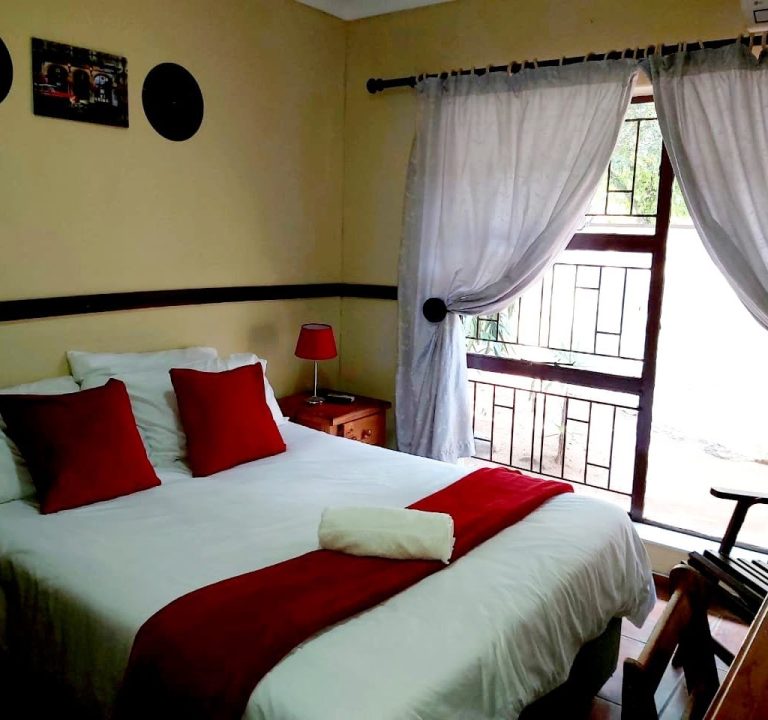
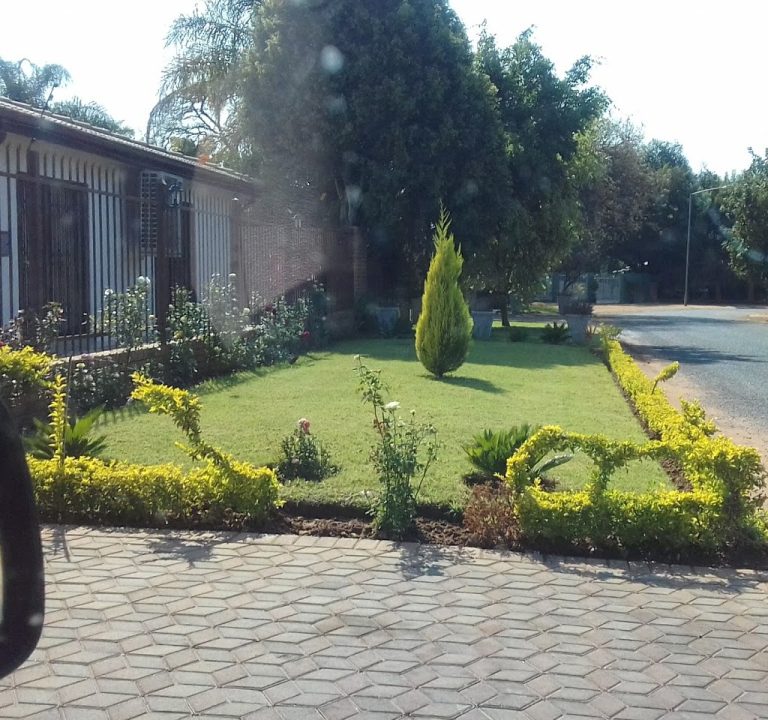
Most properties in and around Lephalale offer a friendly, no‑frills level of comfort designed for travellers who want to spend more time outdoors. Expect essentials such as secure parking, clean linen and towels, and a friendly welcome from hosts. Many homestays and guesthouses provide breakfast or the option to order a light evening meal, which can be convenient after a long day of activities. Some lodges and boutique stays may feature swimming pools, outdoor verandas or shaded seating areas for relaxing in the African heat. Wi‑Fi is commonly available, though speeds can vary, especially in more rural settings.
Transport and getting around
The most practical way to explore Lephalale and its surroundings is by car. Self‑drive itineraries let you tailor your days—from sunrise safaris to late afternoon river walks. If you’re not driving, check whether your accommodation can arrange transfers or local guides with safe transport options. Remember to factor in time for unexpected delays such as road works or seasonal weather, which can influence travel plans in this part of Limpopo.
Best time to visit
Lephalale enjoys a largely warm climate, with distinct wet and dry seasons. The dry winter months (generally May to August) are popular for wildlife viewing, as animals tend to congregate around water sources and vegetation is thinner. The wet season brings lush landscapes and birdlife, but occasional road or access restrictions can occur after heavy rain. Consider what you want from your trip—sparkling skies and good wildlife sightings during the dry season, or vibrant green scenery and fuller rivers in the wet season.
Activities, attractions and experiences to consider
The area offers a range of activities that suit different interests. You can plan nature walks or guided drives in nearby natural areas, enjoy birdwatching along riverine corridors, or simply unwind in a peaceful setting with a book and a view. For dining, most guesthouses and lodges offer comfortable on‑site options or can point you toward nearby eateries that showcase local produce and flavours. When you visit, you’ll likely encounter the welcoming hospitality typical of the region, with hosts eager to share practical tips on day trips, safety, and scenic stops along the way.
Practical tips for a smooth stay
Before you travel, compile a simple checklist to help you make the most of your stay in Lephalale. Note down the area you are based in, planned activities, and practicalities such as fuel availability and shop timings. Pack suitable clothing for warm days and cooler evenings, plus sun protection and a light rainlayer for sudden showers. Always carry a water bottle and a small first‑aid kit when you head out for day trips. If you are travelling with children, identify quiet, shaded spaces and easy access to facilities. Finally, keep a flexible mindset—the charm of Lephalale often lies in its relaxed pace and the welcome you receive from local hosts.
For more information on local tourism and suggested itineraries, you can explore local tourism resources and official information sites to plan your stay in Lephalale. Local tourism information can provide updated details on accommodations, facilities and seasonal activities to tailor your visit.