Plettenberg Bay: Accommodation, Attractions and Planning Your Stay
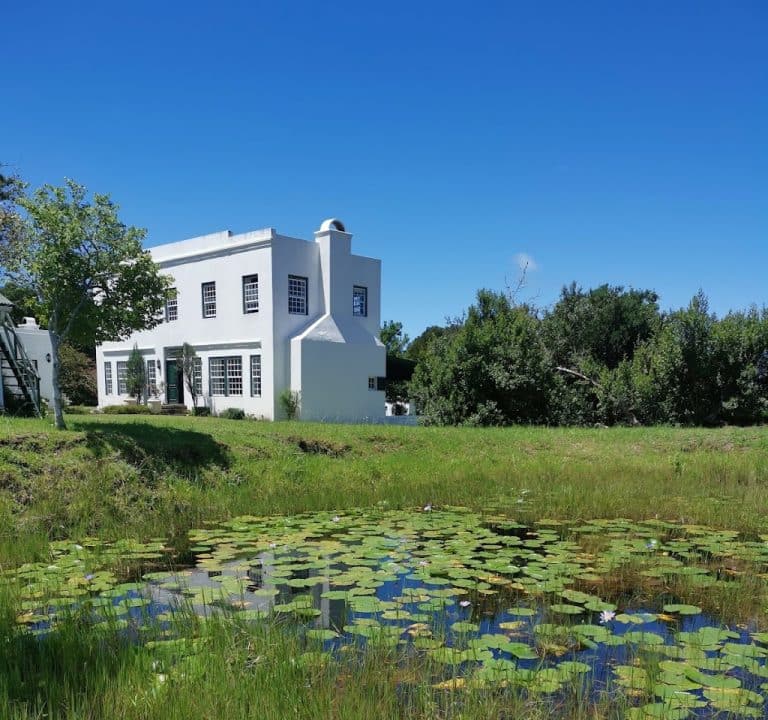
Plettenberg Bay (often shortened to Plett) sits on the Garden Route of the Western Cape and offers a mix of family-friendly lodges, boutique guesthouses and self-catering stays that suit a range of travellers. When planning a visit, consider staying in one of the areas that best matches your preferred pace and activities: the central beachfront area for easy access to the sands and eateries; Robberg for scenic walks and wildlife-spotting; or the countryside of The Crags for a quieter, nature-forward escape. Each neighbourhood has its own character, so a short selection of bases can provide a well-rounded stay if you are visiting for several days.
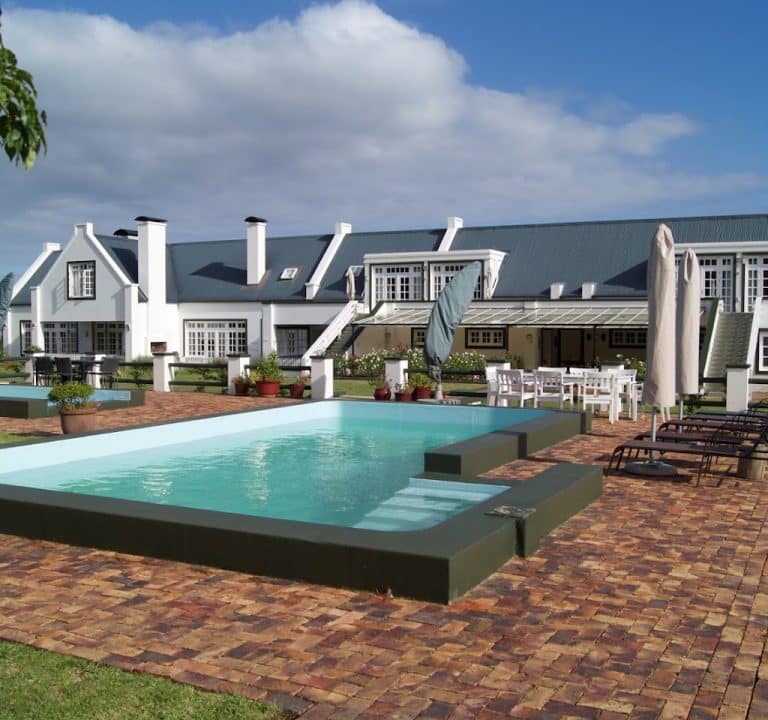
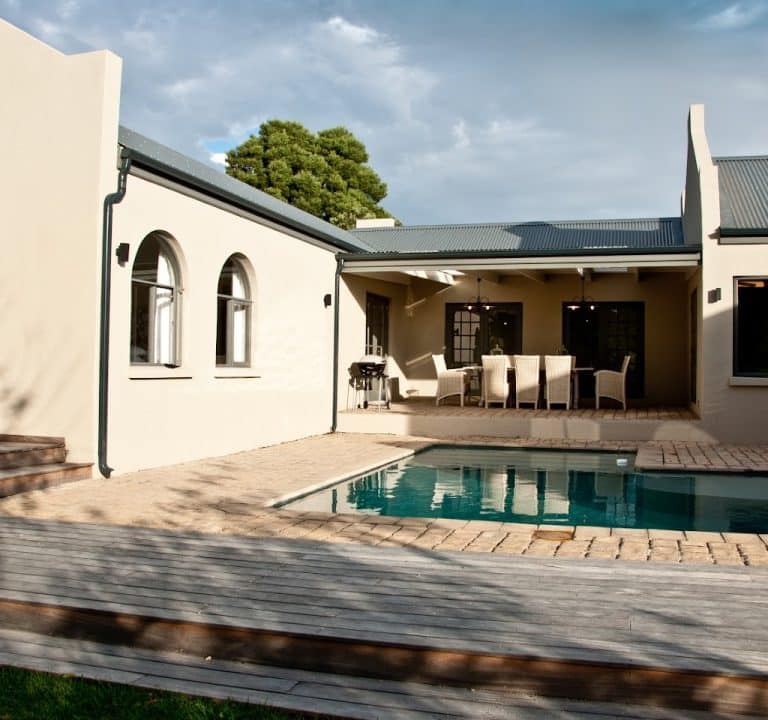
Accommodation options in Plettenberg Bay range from stylish lodges with ocean views to cosy guesthouses and self-catering homes. Typical amenities you might expect include comfortable beds with good linens, en-suite bathrooms, Wi-Fi, parking, and access to outdoor spaces such as balconies, terraces or gardens. Some properties may feature swimming pools, sheltered outdoor dining areas, or braai facilities, which are popular for relaxing after day trips along the coast. If you are travelling with family, look for child-friendly rooms or interconnecting options; for a romantic break, a room with a seas-facing balcony and a bath might be appealing. When booking, verify whether breakfast is included and whether there are on-site facilities like a bar, cafe, or shared living spaces, as these can influence how you structure your day.
Practical planning tips for your stay:
- Transport and reaching Plettenberg Bay: The town is most conveniently reached by road from George or Knysna, with a domestic airport nearby at George (connecting to major South African hubs). If you prefer to self-drive, a car offers the most flexibility for exploring beaches, viewpoints and day trips to nearby towns or nature reserves.
- Best time to visit: Plettenberg Bay is enjoyable year-round. The summer months (roughly November to February) bring warm beach days, while autumn and spring offer pleasant conditions for outdoor activities. Winter can bring cooler, windy days but is excellent for whale watching and enjoying quieter coastal scenery.
- What to look for when booking: Proximity to the beach or key sights, private outdoor space, and parking are often top priorities. For nature lovers, check if the accommodation has easy access to coastal paths or forest trails. Read guest reviews for consistency on cleanliness, staff assistance, and the accuracy of listed amenities.
- Accessibility and pace: If mobility is a consideration, look for ground-floor rooms or lifts, and ask about accessibility options. If you prefer a slower pace, choose a property perched inland with garden views rather than a busy promenade location.
- Dining and self-catering: Some stays include breakfast or offer dinner on-site or nearby options. If you enjoy cooking, seek self-catering units with well-equipped kitchens or kitchenettes; for those who want to sample local fare, check nearby eateries and whether the property can arrange recommendations or reservations.
Attractions in and around Plettenberg Bay encompass a blend of natural landscapes, wildlife experiences and coastal recreation. You can expect easy access to long sandy beaches suitable for families, gentle lagoons where paddling or stand-up paddleboarding is feasible, and scenic coastal walks with views across the bay. Within short drives, nature reserves offer opportunities to observe seabirds and local mammals, while viewpoints along the headlands provide memorable panorama over the coastline. For a relaxed day, a stroll along the shore followed by a coastal café visit is a common favourite for visitors staying in the area.
When thinking about experiences, consider a few core categories to plan your itinerary:
- Outdoor escapades: coastal walks, nature reserves, and sheltered beaches that are friendly for beginners and families alike.
- Wildlife encounters: guided treks or self-guided explorations that focus on birds, marine life and regional flora.
- Food and drink: seafood-focused eateries and farm-to-table dining options, with opportunities to sample local produce and wines from nearby regions.
- Culture and history: small galleries, craft shops, and local markets that showcase the area’s creativity and maritime heritage.
Within Plettenberg Bay, booking considerations can also influence your experience. Choose a base with either a short walk to the beach for convenience or a quieter setting a short drive away for a restful night’s sleep. If you are visiting with children or a large group, ensure your chosen accommodation can accommodate extra beds or offer a family-friendly layout. For longer stays, a self-catering option can add flexibility to meal planning after a day of adventures.
Should you be seeking recommendations, the best approach is to cross-check a few dependable sources and read recent guest feedback to gauge how an option fits your travel style. Plettenberg Bay’s hospitality scene tends to favour warm, attentive service and comfortable, well-equipped spaces that make it easy to unwind after days spent exploring the coast and hinterland. With its array of beaches, nature reserves and relaxed dining culture, Plettenberg Bay remains a versatile choice for travellers seeking scenic beauty, gentle pace and memorable coastal experiences.