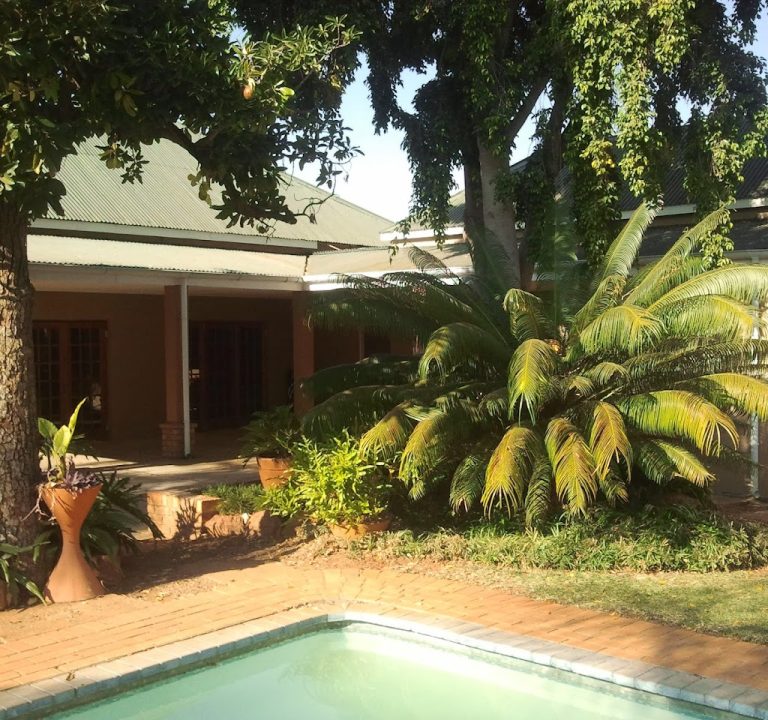
Staying in Mookgopong, Limpopo: accommodation, planning and local experiences
Mookgopong, often affectionately associated with its scenic surroundings in Limpopo, is a gateway for travellers seeking a relaxed yet engaging South African break. The village itself offers a variety of accommodation styles, from intimate guesthouses and self‑catering lodges to bush‑friendly retreats within easy reach of nature reserves and rolling savannah. Plan your stay with balance in mind: choose a base that suits your pace, while allowing time for the outdoors and for sampling the local hospitality.
Where to stay is as important as how you travel. For a first visit, consider staying in the central area of Mookgopong for convenient access to shops, eateries and the starting points for day trips. If you prefer a more secluded experience, look for lodges or private guesthouses set on the edge of the bush or within the foothills, where you can enjoy early morning birdsong and sunset views without the bustle of town. If your itinerary includes longer drives or nature excursions, a stay near the Waterberg region can provide quick access to hiking trails and wildlife experiences. It’s worth noting that some properties are closer to gate access points for nature reserves, protecting you from long transfers after a day outdoors.
Typical accommodation options include:
- Guesthouses and B&Bs offering breakfast and personalised service, often with welcoming hosts who can share local tips.
- Self‑catering lodges and cottages, providing kitchen facilities and flexible meal options for families or groups.
- Bush lodges and eco‑retreats, combining comfortable bedrooms with outdoor spaces such as verandas or decks for evening stargazing.
- Campsites and caravan parks for those who prefer a more outdoorsy stay, sometimes with shared facilities and close proximity to walking trails.
When selecting a property, consider the following practical factors. Access and transport are key: some areas require a reliable vehicle, especially if your accommodation is on the outskirts or near natural reserves. Check whether off‑road or gravel access is needed, and confirm parking arrangements. In terms of amenities, look for en‑suite bathrooms, reliable hot water, and clean, well‑maintained communal or outdoor spaces. Wi‑Fi can be variable in rural areas, so plan for offline activities if needed, such as maps and guides, plus a charged phone or portable power bank for day trips. Many visitors value simple comforts—air conditioning or fans for hot afternoons, a pool or shaded outdoor seating for the heat, and comfortable beds for restorative nights after long days outdoors.
Planning a stay also means thinking about meals. If you choose a B&B or guesthouse, a good breakfast can set you up for long days of exploration. Self‑catering options give you flexibility to cook based on markets or itineraries, while bush stays may offer in‑house or on‑site dining experiences that integrate with the natural setting. For dinner, most visitors will want to sample a range of offerings in Mookgopong and nearby towns, from casual eateries to more formal dining, with a focus on fresh, seasonal ingredients where available. Remember to check the restaurant times and whether bookings are advisable, particularly during peak holiday periods or weekends.
Best time to visit depends on your priorities. The region enjoys warm summers and mild to cool winters. For wildlife‑focused trips and pleasant daytime temperatures, the dry winter months can be ideal, as animals are easier to spot around water sources and vegetation is thinner. The shoulder seasons offer quieter attractions and comfortable weather for outdoor activities, while the summer rainy season brings lush scenery and potential afternoon thunderstorms, which many visitors find exhilarating but equally can affect outdoor plans. Check local weather patterns ahead of your trip and pack accordingly, including sun protection, insect repellent, and layers for cooler evenings.
Transport and day trips form a central part of the Mookgopong experience. Having a robust map or a GPS device helps you navigate local routes between accommodation, reserves, and viewpoints. If you are joining guided tours, organise pick‑ups in advance to maximise your time. For guests exploring independently, plan fuel stops and carry a spare water supply, as some routes can be remote. When it comes to activities, expect a mix of scenic drives, short nature walks, and opportunities to observe birds and wildlife in tranquil settings. Early mornings or late afternoons are often the best times for outdoor activities, taking advantage of cooler temperatures and the soft light ideal for photography.
Nearby attractions and experiences typically offered to visitors accrue from the connection to the wider Waterberg area and Limpopo’s landscapes. Many travellers enjoy the chance to discover panoramic viewpoints, interpretive trails, and the sense of space that comes with the region’s expansive skies. Reservations for guided walks or drives can enhance safety and interpretation, particularly for families or first‑time visitors. When planning a multi‑day stay, it helps to build a rough itinerary that includes a balance of rest, nature, and light cultural experiences in the surrounding towns, markets, or craft shops. For restaurant options and practical tips on up‑to‑date opening hours, consult local tourism resources and the property’s guest services staff who can provide current recommendations and maps.
For more information on regional travel planning and official tourism guidance, you can explore resources at the Limpopo tourism authority’s site. This can help you tailor your stay, confirm opening times for attractions, and discover additional day trips or routes that complement your preferred pace of travel. Whether you’re seeking a peaceful retreat or a base for outdoor adventures, Mookgopong offers thoughtful, welcoming accommodation and a gateway to memorable Limpopo experiences.