Accommodating a stay in Nsimane, KwaZulu-Natal: where to stay, what to do and how to plan
Nsimane sits within the diverse landscapes of KwaZulu-Natal, offering a blend of rural charm, wildlife encounters and easy access to both coast and highland scenery. A stay here can be as relaxed as a coastal retreat or as adventurous as a safari lodge experience, with plenty of options for couples, families and groups. When planning your trip, think about what draws you most—wildlife, hiking, culture, or a restful break—and choose a base that minimises daily travel while maximising opportunities to explore nearby highlights.
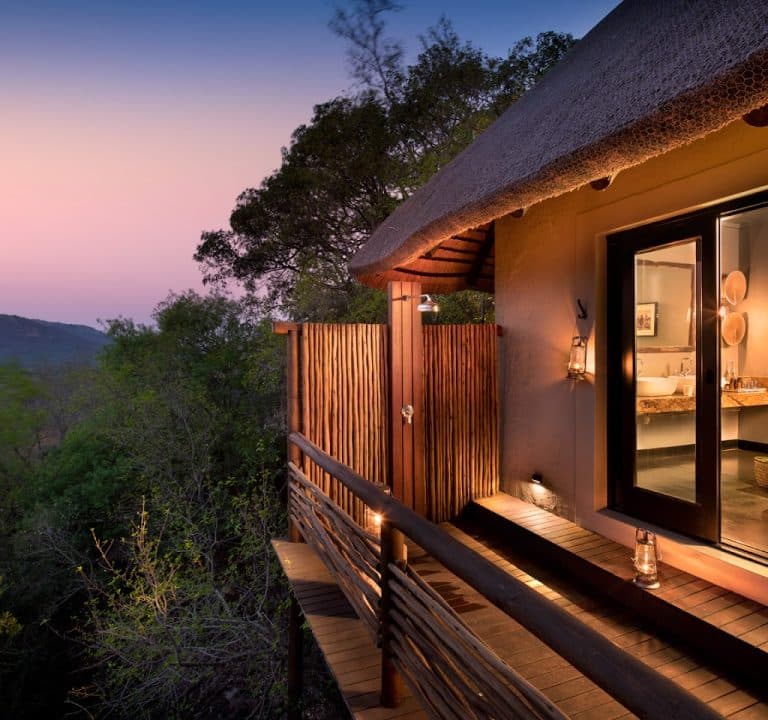
Accommodation in Nsimane runs from intimate guesthouses and B&Bs to larger eco-lodges and dedicated safari lodges. One well-regarded example in the region is Qabula Safari Lodge, which typifies the lodge concept: comfortable rooms, guided activities and a focus on nature and conservation. Other options include country-style guesthouses that offer personal service and kitchen facilities, as well as self-catering Cottages and rural stays that let you blend convenience with a sense of place. For visitors who want a more immersive experience, eco-friendly lodges emphasise sustainability, local crafts, and wildlife-friendly practices while still providing modern comforts.
Areas to consider when booking include proximity to nature reserves or game-viewing areas, access to clean swimming spots or rivers, and closeness to small towns with eateries and markets. If your key aim is wildlife, look for lodges or guesthouses that offer guided game drives or nature walks, ideally with experienced guides who can share local knowledge about flora, fauna and seasonal patterns. If you prefer culture and dining, choose a base near traditional Zulu markets, craft villages or farm-to-table dining options, while ensuring you have reliable transport to reach them after sunset.
Typical amenities that travellers expect in Nsimane include en-suite bathrooms, air conditioning or ceiling fans, safe parking, and strong Wi‑Fi in common areas or rooms. Many establishments provide meals, whether as a continental breakfast, a cooked local breakfast or full-board dining, and some offer picnics for day trips. Pools, outdoor dining terraces, and verandas for sunset views are common in lodges and guesthouses, while self-catering options will specify kitchen access and shopping suggestions nearby. If you’re visiting during peak season, verify whether the property offers early check-in or late check-out to accommodate long travel days or game drives.
Transport is an important planning consideration. A car is usually the most convenient way to move between lodges, villages and attractions, offering flexibility to explore on your own schedule. In KwaZulu-Natal, you may arrive via main coastal routes or regional roads; some destinations can be reached by guided transfers arranged by your accommodation, which can be helpful if you’re unfamiliar with local driving conditions. For those seeking adventure, a structured safari or day-trip plan can help you allocate time efficiently while ensuring you do not miss key viewpoints or experiences. Always confirm parking arrangements and the security of your vehicle, especially if you are staying in rural locations.
The best time to visit Nsimane depends on your priorities. The region enjoys warm summers with showers that can be afternoon or evening, and cooler, drier winters that are pleasant for outdoor activities. If wildlife viewing is a priority, the cooler months often offer more comfortable conditions for early-morning drives and walks, with animal activity commonly more apparent during these periods. Coastal touches or river activities are most enjoyable in spring and autumn, when temperatures are milder and crowds are moderate. For those chasing late-season birdlife or migratory patterns, consider shoulder seasons when the landscape is still lush but accommodation rates may be kinder than peak periods.
When it comes to experiences, you’ll find a broad spectrum beyond the bed and breakfast. Guided nature walks, river safaris, birdwatching at nearby wetlands, and cultural heritage visits can be arranged through lodges or local operators. Dining at or near your accommodation often showcases a blend of regional ingredients and home-style cooking, with seasonal seafood, grilled meats and fresh vegetables on offer. If you prefer self-guided days, you can plan scenic drives along rural routes, stop at farm stalls for local produce, and explore small town markets for crafts and gifts. For a well-rounded itinerary, balance a couple of early-morning wildlife activities with afternoon leisure at your lodge, followed by a sunset drink on a veranda or a massage to unwind after a day of exploring.
Practical planning tips to help you book with confidence:
- Assess how you’ll use the space: is a private balcony or pool area important, or are you happy with shared spaces?
- Check inclusions and meal options: some places offer full-board packages, while others provide breakfast only.
- Clarify the availability of guided activities and whether bookings are required in advance, especially for safaris or cultural tours.
- Review transport requirements and whether the property offers transfers or parking facilities.
- Look for security features, particularly for rural stays, and confirm accessibility if mobility is a concern.
- Consider time of year and potential weather impacts on road access or activity schedules.
- Read guest reviews for insights on service quality, cleanliness and consistency of experiences.
For a seamless stay, plan a balanced itinerary that includes flexible days. A couple of days exploring a lodge or guesthouse’s surrounding trails, plus a day trip to nearby nature reserves or cultural points, can provide a well-rounded experience without feeling rushed. To explore more about the region and current options, you can visit official tourism resources or the websites of individual properties, which often feature seasonal packages and suggested itineraries. Remember to respect local communities and conservation efforts, support local businesses, and leave places as you found them for others to enjoy.