Kimberley, Northern Cape: Accommodation, Attractions and Planning Tips
Kimberley is a frontier city with a rich history and a modern charm that suits a range of travellers, from cultural explorers to families seeking a relaxed break. When planning a stay in this course-corrected urban centre, consider not only where you sleep but also how you will move around, what experiences you want to prioritise, and the times of year that best suit your itinerary. The city’s surrounding scenery, museums, and outdoor spaces all contribute to a well-rounded visit.
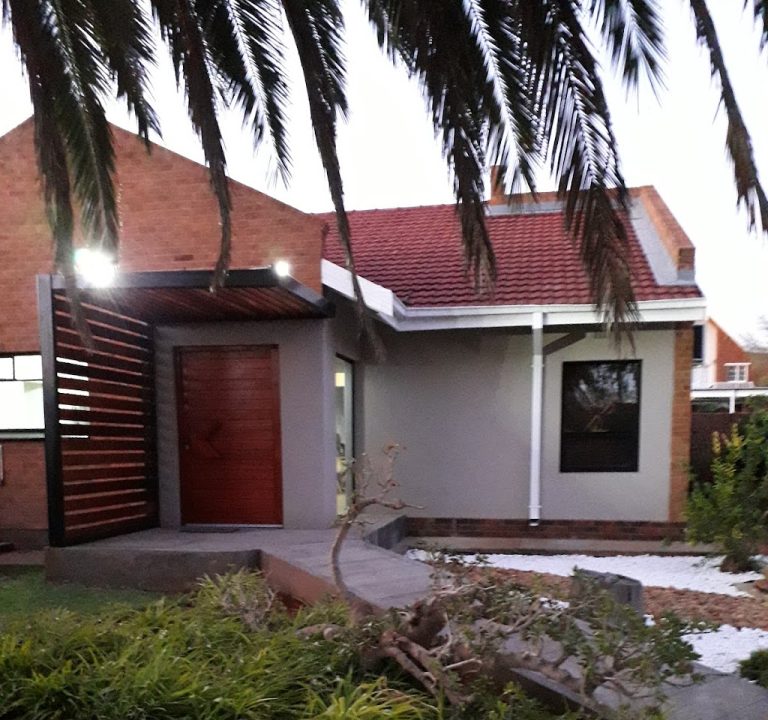
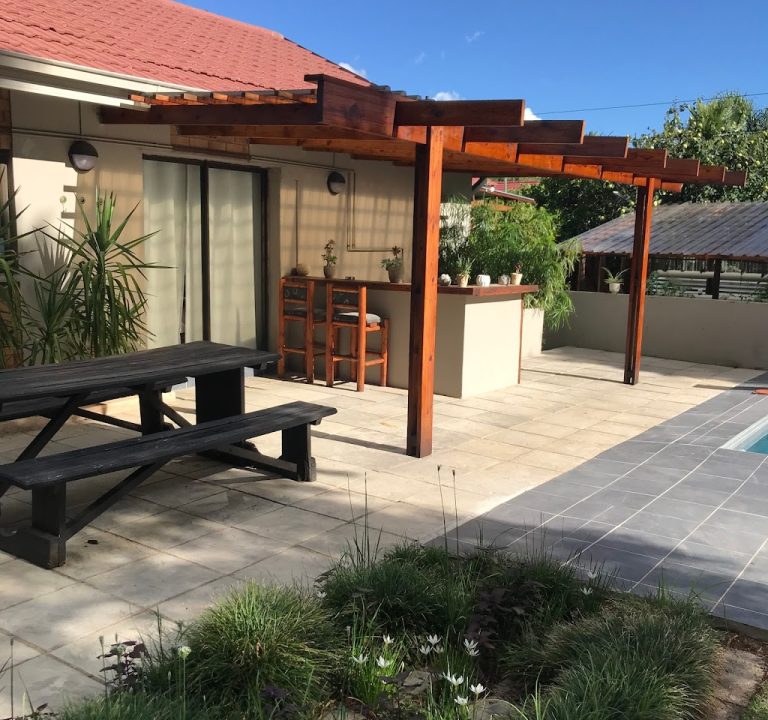
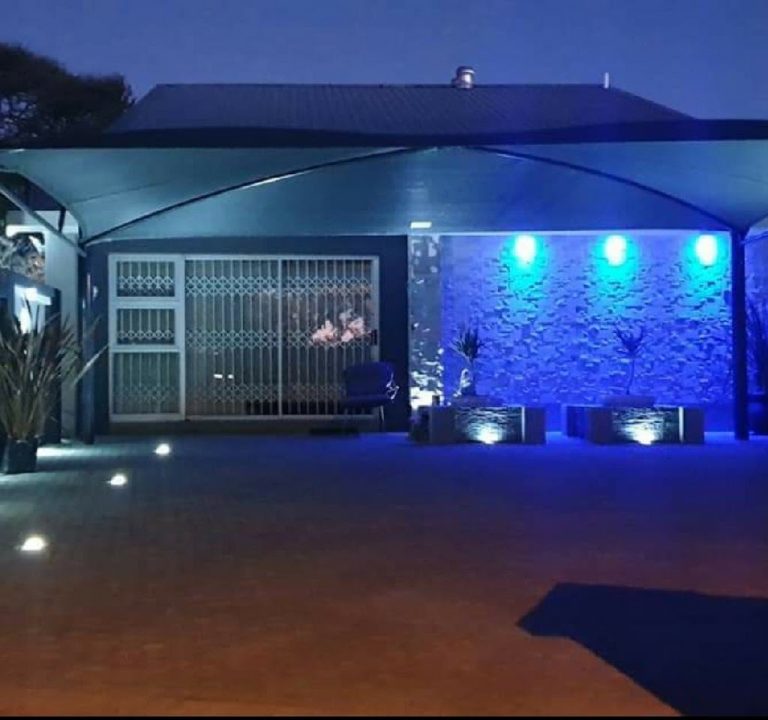
Accommodation in Kimberley ranges from boutique guesthouses to mid-range hotels and self-catering options. For a traveller seeking character and personalised service, a guesthouse in one of the historic suburbs can offer a cosy base with a more intimate atmosphere. If you prefer modern comforts with predictable facilities, a hotel in the central district often provides convenient access to key sights during daylight hours. When choosing where to stay, look for well‑maintained rooms, secure parking if you are driving, and a reliable reception or guest‑house host who can share practical tips about local transport, dining, and current events.
Areas to consider include the city centre, where easy access to museums, old mining heritage, and nearby parks makes it convenient for short, focused visits. Suburban quarters can offer a calmer environment, sometimes with more spacious rooms and quieter streets, which can be ideal for families or guests who prefer a slower pace after a day of sightseeing. If you’re travelling during the hotter months, look for accommodations with good shade, air conditioning, or ceiling fans, and check whether the property offers serviced rooms or daily housekeeping as part of the package.
Typical amenities you might encounter include en-suite bathrooms, complimentary Wi‑Fi, secure parking, and on-site dining or continental breakfasts. Some properties offer self-catering facilities, which can be helpful if you are planning a longer stay or prefer to prepare meals at your own pace. A few smaller establishments pride themselves on personalised itineraries, arranging guided tours, museum visits, or history walks that can enrich your understanding of Kimberley’s diamond heritage and republican history. When booking, confirm whether the rate includes breakfast, what the cancellation policy is, and whether the property can assist with airport transfers or local shuttle services.
Transport in Kimberley is straightforward to manage as a visitor. The city is compact enough for comfortable walking when you are near the centre, and there are local taxis or rideshare options for longer trips. If you are exploring beyond Kimberley, a car can be convenient, especially for visiting nearby natural spaces or regional attractions. When researching transport, ask your host or the front desk about reliable routes, peak traffic times, and the best public transport connections if available. If you plan day trips, check whether your accommodation offers guidance on logistics or partnerships with local tour operators.
The best time to visit Kimberley depends on your priorities. Spring and autumn typically offer pleasant conditions for exploring outdoor sites without the extreme heat of summer. Winters tend to be cooler, which can be ideal for museum visits and indoor activities. Consider timing your stay to coincide with local markets or cultural events if you enjoy social atmospheres and street life. Regardless of season, mornings are often the most comfortable for outdoor programmes, with afternoons suitable for a relaxed meal or a museum visit during the cooler interior rooms of historical buildings.
Top experiences typically include exploring Kimberley’s historic architecture and museums that illuminate the region’s diamond mining legacy. Visitors can expect engaging exhibitions and accessible insights into the city’s development, with opportunities to understand the social and economic history that shaped the area. For a lighter day, city parks and viewpoints offer a pleasant contrast to urban heritage sites, providing space to reflect on the landscape that surrounds Kimberley.
When it comes to dining, Kimberley offers a range of locations from casual eateries to more formal dining rooms. In general terms, expect menus that feature regional flavours, hearty fare, and dishes that pair well with local beverages. If you are planning to eat out, consider trying a few different neighbourhoods to sample a cross-section of options, and check whether your accommodation can recommend reliable venues with consistent service and appropriate hours. It’s common to find venues that cater for families as well as adults, with spaces suitable for relaxed meals after a day of touring.
Practical planning tips for a smooth Kimberley stay:
- Book in advance if you’re travelling during peak season or around public holidays to secure preferred room types and locations.
- Ask about parking arrangements, luggage handling, and security features at your chosen property.
- Request local recommendations for day trips, particularly for nearby landscapes and lesser-known heritage sites.
- Check the suitability of rooms for any accessibility needs and confirm wake-up calls or early breakfast options if you have early departures.
- Pack layers for variable temperatures, especially if you plan early morning activities or late afternoon walks.
Kimberley rewards careful planning with a balanced mix of history, culture and simple, friendly hospitality. By selecting a well-positioned base and aligning your stay with the city’s rhythms, you can enjoy a comfortable, authentic experience that respects the pace of this historic Northern Cape destination.