Pretoria, Gauteng: Accommodation and Experiences in the Capital City
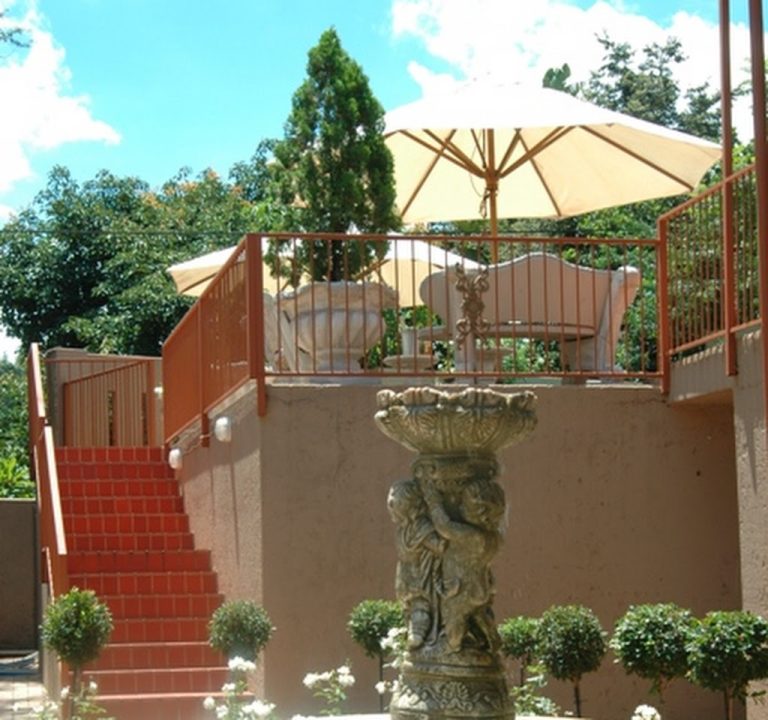
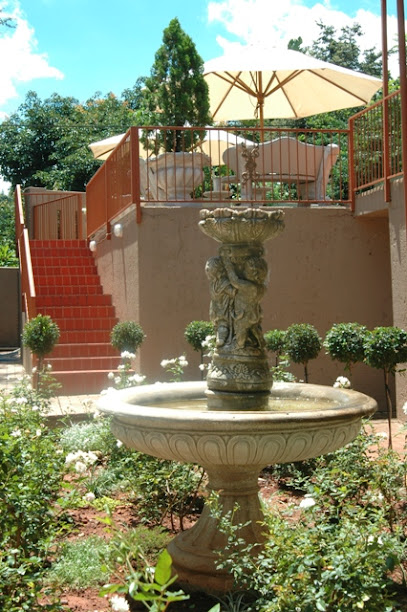
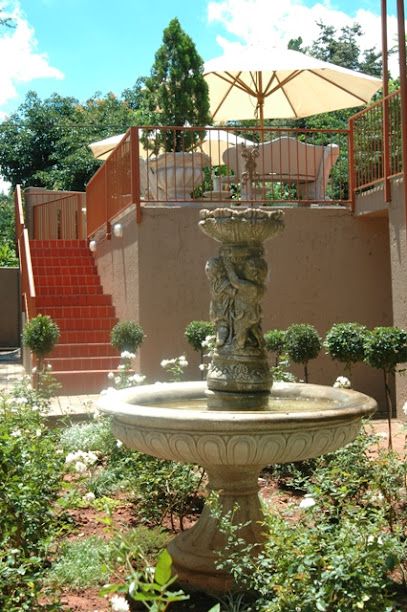
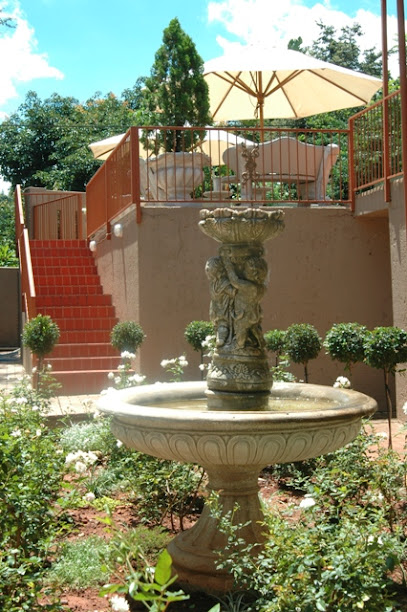
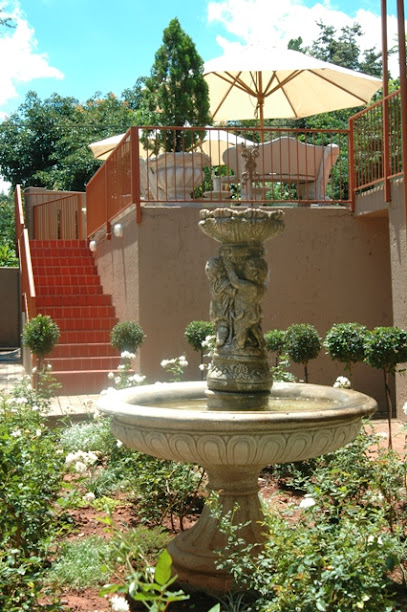
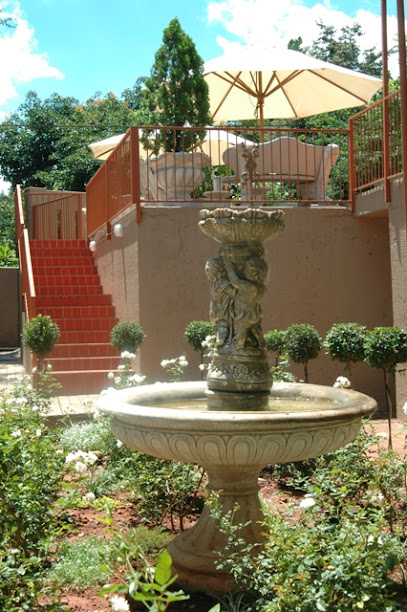
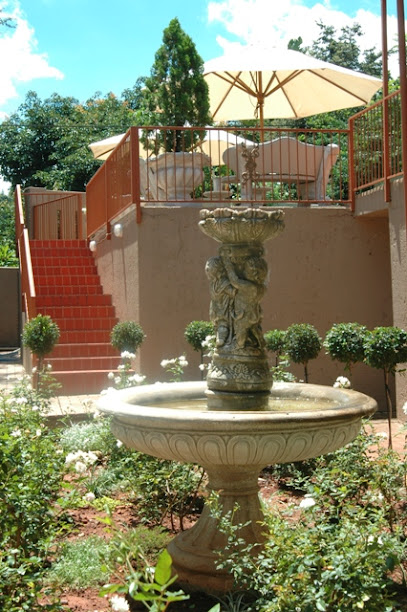
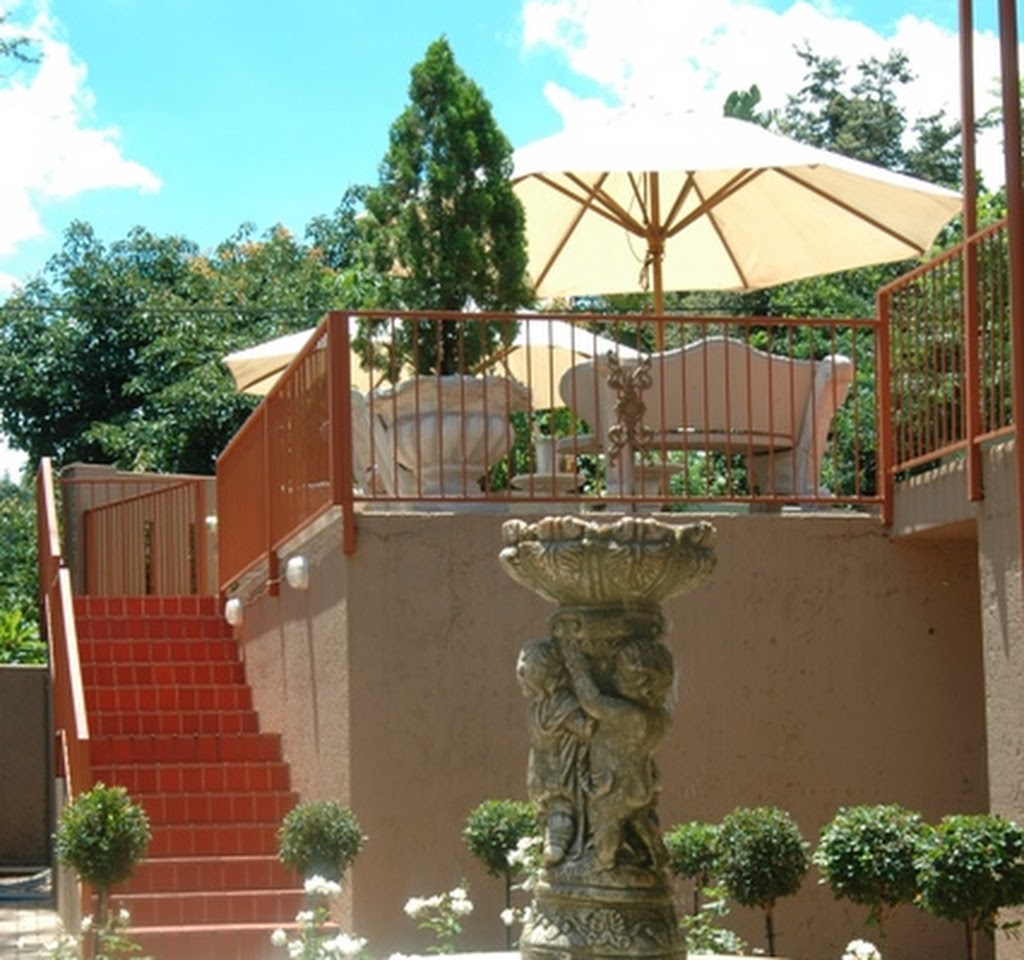
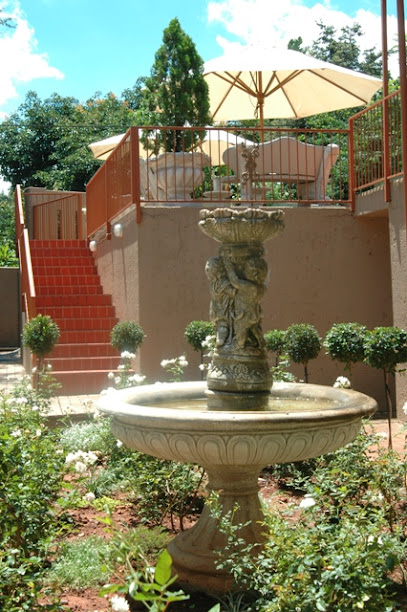
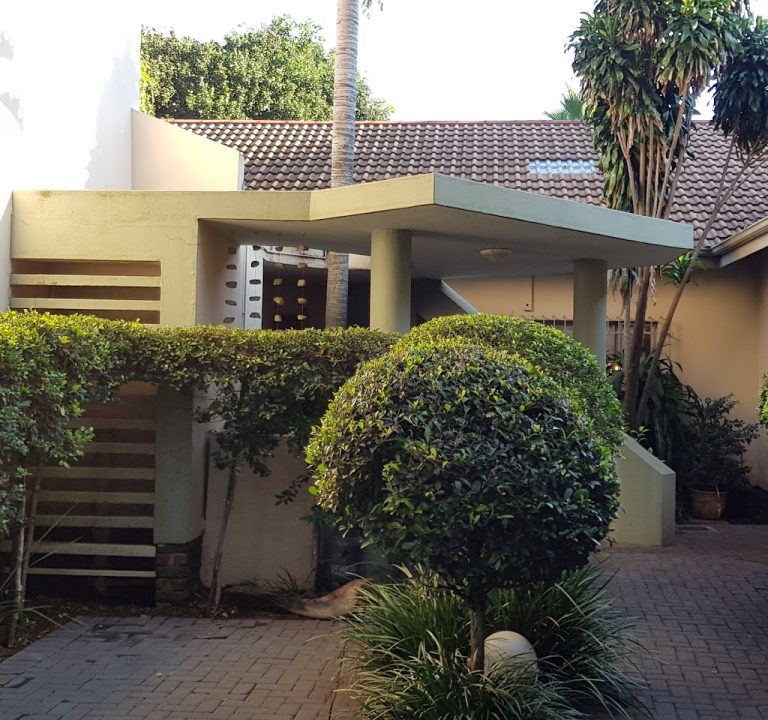
Pretoria sits in the heart of Gauteng and offers a different flavour from Johannesburg’s urban bustle. It is known for its jacaranda-draped streets, leafy suburbs, and a relaxed pace that suits both weekend explorers and longer stays. When planning a visit, consider a mix of accommodation types—from cosy guest houses and BnBs to contemporary hotels and boutique lodges—to balance comfort with access to the city’s parks, museums and restaurants. For many travellers, the appeal lies in staying in a charming guest house such as Purple Olive Guest House, which often combines personalised service with a home-from-home atmosphere.
Areas to consider for your stay include central precincts and leafy northern suburbs. The central city area puts you within easy reach of museums, historical sites and government buildings; it’s convenient for walking or short taxi hops to dining and cafés. Hatfield and Brooklyn offer a student-town vibe with vibrant eateries and a compact, walkable layout. Waterkloof, Waterkloof Glen and Moreleta Park provide a quieter, more residential setting with upscale guest houses and boutique hotels. Sunnyside and Arcadia are well placed for quick access to university campuses, markets and galleries, while suburban enclaves in the east and north provide a peaceful base if you plan to drive to several attractions in a day.
When choosing accommodation, look for a few practical features. A comfortable bed with good linens makes a big difference after a day of exploring. Check for reliable Wi‑Fi, secure parking, and clear information about how meals are served—whether breakfast is included, and if there are options for self-catering or local take-away picks after a busy day. If you’re travelling with family or a group, a guest house with multiple rooms or a spacious suite can be more cost-effective and sociable than a single hotel room. Consider whether you prefer a garden or patio area for a morning coffee, or a heated pool for relaxing after tours in warm weather.
Typical amenities to expect include daily housekeeping, on-site parking, complimentary Wi‑Fi, and a well-presented communal area such as a lounge or sun terrace. Some properties offer breakfast baskets or plated options with regional twists, while others may provide self-catering facilities or kitchen access. Proximity to transport links can make a big difference: a location near major roads or public transport hubs allows easy day trips to the surrounding countryside, nature reserves and museums. If you’re relying on ride-hailing or taxis, check whether the property can assist with arranging safe transport or has information on local routes.
Best time to visit Pretoria tends to be spring (September to November) and autumn (March to May), when daytime temperatures are comfortable and the jacaranda season creates striking streetscapes. If you’re aiming to visit outdoor attractions such as botanical gardens, parks and open-air viewpoints, milder weather will enhance your experience. Summer can be hot, so staying in venues with shaded outdoor spaces and reliable air conditioning is wise, while winter brings cooler mornings and evenings—packing a light jacket is wise year-round.
Transport within Pretoria is well served by taxis and rideshare options, with the city being a compact centre for day trips. The Gautrain offers fast rail connections to Johannesburg and Pretoria’s major railway hubs; a short ride from the city centre can take you to a wider Gauteng itinerary if you’re continuing your journey. If you’re driving, note that traffic patterns can vary, and peak times may affect travel to popular sights. A practical approach is to map out a loose plan for each day, prioritising a couple of major sites and leaving flexible time for coffee stops or late-afternoon strolls in parks or markets.
Attractions in and around Pretoria focus on history, culture and nature. You’ll find leafy parks, monuments, and perspectives on South Africa’s past alongside modern galleries and craft markets. Iconic viewpoints and public spaces offer opportunities for photography, while botanical gardens and zoo facilities provide family-friendly experiences. Dining in Pretoria ranges from traditional South African fare to modern cafés and international cuisines, commonly clustered around university districts and central hubs. Many visitors enjoy trying a few local eateries known for welcoming atmospheres and seasonal menus, keeping in mind that menus and prices can vary with the season and venue.
Planning tips to help you book and enjoy your stay:
- Book in advance for peak jacaranda season and university holidays, especially if you prefer guest houses or boutique hotels with limited rooms.
- Read recent guest reviews focusing on cleanliness, quiet hours, and staff helpfulness to gauge suitability for your travel style.
- Check if breakfast or evening meals are available and whether dietary needs can be accommodated.
- Ask about parking arrangements and security features, particularly if you will be travelling by car.
- Confirm cancellation policies and whether there are flexible options in case your plans change.
- Consider a short day-by-day plan that balances indoor experiences (museums, galleries) with outdoor time in parks and gardens.
Even if you stay in a traditional guest house, you’ll still be close to a range of attractions and experiences that capture Pretoria’s character: spacious garden spaces, live street markets or small studios, and cafés that reflect the blend of cultures in Gauteng. With thoughtful planning—choosing the right area, understanding the available amenities, and building a flexible itinerary—you can enjoy a comfortable stay that serves as a hub for exploring the city and its surrounds.