East London and the Eastern Cape: A guide to accommodation, nearby attractions and practical planning
East London and the wider Eastern Cape region offer a wealth of traveller-friendly stays that range from self‑catering lodges to boutique guesthouses and family‑run B&Bs. The coastline is a major draw, but the interior landscapes—from rivers and lagoons to grasslands and protected reserves—also provide memorable experiences. When planning a stay, consider areas that suit your pace, transport needs and the type of activities you enjoy, whether it’s long beach walks, wildlife watching, or simply unwinding in a comfortable base after a day of exploring.
Chintsa is a popular choice for visitors seeking scenery and a relaxed vibe. It is well suited to couples and families who want a slower pace, with paths that lead to sweeping beaches, estuarine walks and woodland trails. East London itself offers a wider range of options, from central hotels with access to business and dining districts to seaside guesthouses close to the popular Nahoon Mouth and beaches. Gonubie, just a short drive away, combines riverside scenery with easy access to the coastal road and local cafés, making it a practical home base for day trips along the coast and into the hinterland.
When browsing accommodation, look for options that match your preferred rhythms of travel. Self‑catering venues can be ideal if you enjoy the flexibility of cooking small meals, while guesthouses and boutique lodges are convenient for those who value daily housekeeping, curated breakfast, and friendly on‑site recommendations. For families, check that the property offers family rooms or apartments with separate living spaces, safe parking, and outdoor spaces where children can play. For couples or travellers seeking a more immersive stay, consider smaller lodges or eco‑friendly places that emphasise sustainability and a connection with the surrounding environment.
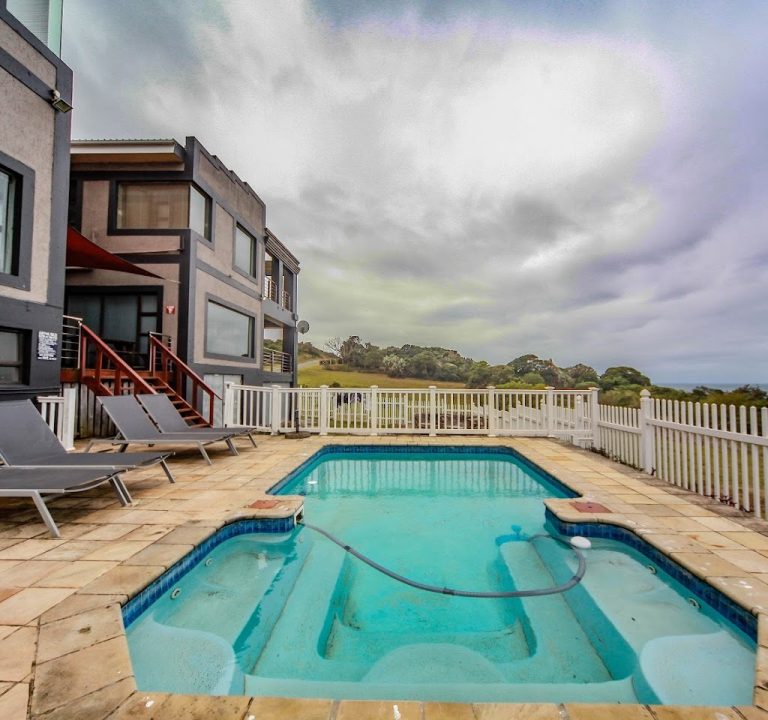
Typical amenities to expect include Wi‑Fi that works well enough for remote work or streaming, private or en‑suite bathrooms, well‑equipped kitchens or kitchenettes, and comfortable living areas. Many properties highlight outdoor spaces such as braai areas, balconies with sea views, or garden spaces where you can unwind with a book or a glass of something local. A swimming pool, secure parking, and on‑site laundry facilities are common conveniences. If you are visiting during the peak holiday season, an early check‑in request or a flexible cancellation policy can be particularly valuable as plans sometimes shift with the weather or tides.
Connectivity matters. East London’s airport provides access for longer trips, and the road network is generally good for hire cars, which offer the most practical way to explore both the coast and inland attractions. If you prefer not to drive, many guesthouses and lodges offer shuttle services or can help arrange transfers to notable beaches, reserves or town centres. Planning a few half‑day or day trips by car can help you balance downtime with exploration, especially in a region where weather and tides influence outdoor activities.
Best time to visit East London and the Eastern Cape varies by what you want to do. Summer (roughly November to February) brings warm days, ocean swimming and longer daylight hours, perfect for beach days and picnics. Autumn can be comfortable for coastal walks and wildlife sightings as the landscape changes colour. Winter is milder than many other parts of the country, offering quieter beaches and cooler evenings that are ideal for cosy evenings in a guesthouse with a hearty breakfast. Spring brings a fresh burst of greenery and birdlife along rivers and estuaries, making it a good period for nature lovers and hikers.
Here are practical tips to help you plan a smooth stay:
- Choose your base according to planned activities: coastal stays for beaches and water sports, inland venues for hiking and reserves, and towns with good dining options if you want more evening choices.
- Read guest reviews with a focus on cleanliness, accuracy of photos, and the responsiveness of hosts or property managers.
- Consider access to transport when booking close to beaches or reserves; a car is often the most flexible option, especially for early starts or late returns.
- Check for family‑friendly spaces if travelling with children, including safe outdoor areas and grounding conveniences like kettles, microwaves or kitchens.
- Look for eco‑friendly or sustainable accommodation if you prioritise responsible travel; many small lodges in the region highlight their environmental practices and local sourcing.
- Plan meals around the day’s travel—some places offer breakfast included, while others provide self‑catering facilities or nearby dining options.
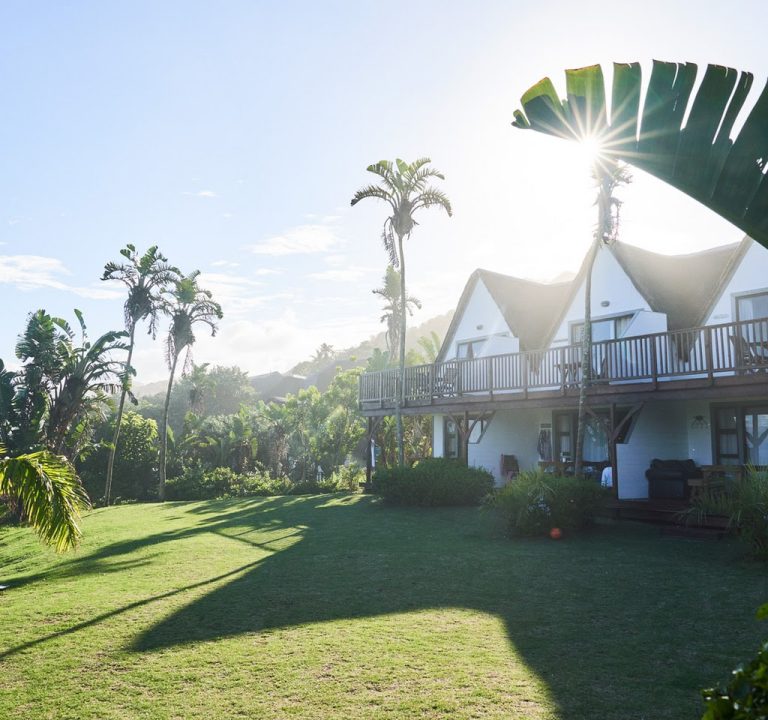
For a taste of the region’s hospitality, some properties highlight spectacular views and a sense of place. A notable example is Purple Haze Eco Lodge in Chintsa, which positions itself around a strong natural setting and a distinctive perspective on the coast. Visitors can book stays through online platforms that pool a variety of self‑catering and guesthouse options, making it easier to compare layouts, proximity to beach access, and overall ambience. For those looking to secure a stay with a strong sense of location, an official listing or reputable booking site can provide practical details about amenities, access, and nearby facilities. The emphasis in this region remains on comfort, convenience, and a connection to the coastal and rural landscapes that define the Eastern Cape.
Beyond places to sleep, East London and the surrounding coast offer a range of activities and ways to experience the area. Expect long sandy beaches suitable for walks and swims, river and estuary outings, and the chance to observe local birdlife and other wildlife. In town, guests often discover laid‑back cafés and welcoming eateries that reflect a coastal, African flavour, with menus that incorporate fresh seafood, farm‑to‑table ingredients, and regional produce. If you are planning a longer stay, you can use the information on booking sites to map out day trips to nearby reserves, nature paths, and viewpoints that showcase the region’s varied scenery.
For more information and to explore accommodation options in East London and the Eastern Cape, you can visit booking platforms that list a range of self‑catering lodges, guesthouses and boutique stays. This approach helps you compare distance to beaches, access to parks, and the overall vibe of each location, ensuring your stay aligns with your travel style and budget.