Knysna: Accommodations, Attractions and Planning Your Stay
Knysna, a jewel on the Garden Route in the Western Cape, offers a relaxed mix of coastal beauty, forested landscapes and welcoming guest houses. Whether you’re seeking a beachside escape, a forest retreat or a central base for exploring the Knysna Heads and surrounding towns, there are options to suit most tastes and budgets. When planning a stay, consider the character of each neighbourhood, the time of year you visit and how you want to move around the area.
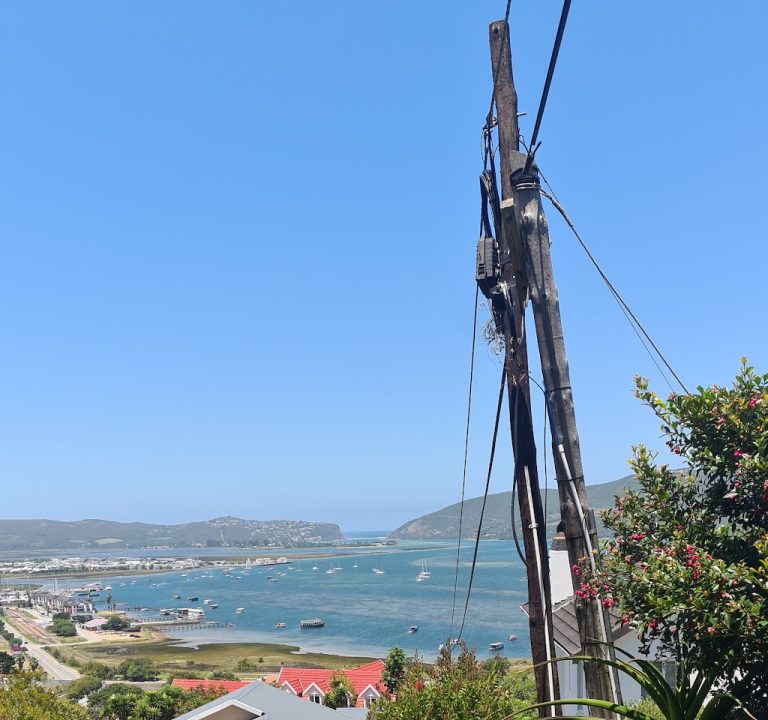
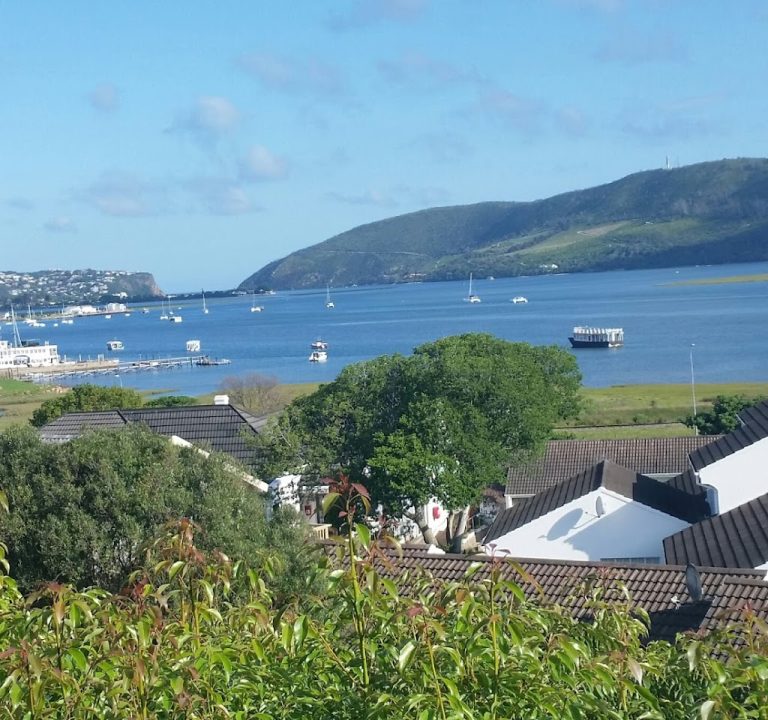
Areas to consider include the harbour front and town centre, where many guest houses and boutique hotels cluster within easy reach of shops, eateries and the waterfront. Closer to nature, the finer redolence of the forests and nature reserves is found a short drive away, often combining comfortable rooms with tranquil garden or forest views. For those who relish panoramic coastal scenery, staying nearer the Knysna Heads affords dramatic seascapes and sunset moments. If you’d prefer a quieter base with easier access to birdlife and sea-front walking, there are inland lodges and guest houses that blend into pine plantations and fynbos. Think about your desired pace: the harbour area is lively and social, while the forest and inland pockets tend to be peaceful and restorative.
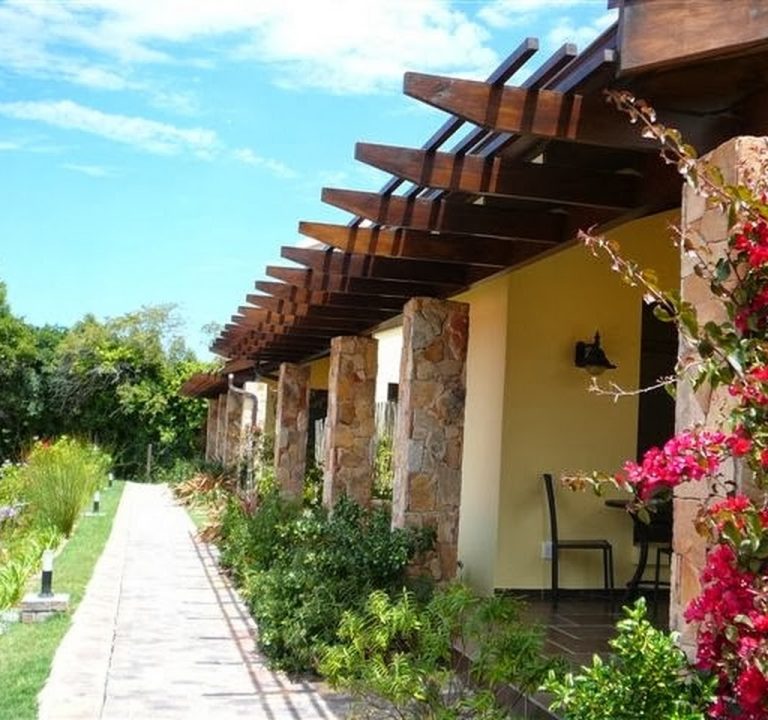
Typical accommodation in Knysna includes guest houses, boutique hotels, self-catering cottages and inland lodges. Guest houses such as Protea Guest House—if you opt for a similar style—often provide comfortable, well-appointed rooms with en-suite bathrooms, privacy, and a friendly, local welcome. Common amenities to look for when booking include free Wi-Fi, secure parking, air conditioning or fans, a cosy communal lounge, and self-catering options or on-site breakfast. Many properties feature outdoor terraces, gardens and a pool, all appealing after a day of exploring Knysna’s surroundings. If you travel with family or groups, consider larger suites or suites with multi-room arrangements, plus practical touches like luggage storage and flexible check-in times.
Transport planning is an important part of your itinerary. The town is best enjoyed at a relaxed pace, and many visitors choose a rental car for freedom and easier access to forest trails, viewpoints and beaches. If you prefer not to drive, investigate guest houses that are within walking distance of the town centre or offer reliable shuttle arrangements. Local taxis and ride-hailing services are options, but it’s wise to arrange transport in advance for day trips to nearby reserves or coastal routes. If you’re arriving by air, the closest major international gateway is a few hours away by road, with domestic connections easier via regional airports. Be prepared for varied road conditions along the Garden Route, and plan extra time for the scenic but sometimes winding routes between Knysna and neighbouring towns.
Best time to visit Knysna hinges on weather and what you want from your trip. Summer (December to February) delivers warm days suitable for boat trips, sea swims and waterfront strolls. Autumn (March to May) offers thinning crowds and pleasant temperatures, often with a golden light on the forests. Winter (June to August) is milder than many coastal destinations, though it can be cooler and damper; the undersides of leafy trees and mist over water create a moody atmosphere ideal for walkers and readers. Spring (September to November) brings blooming flora and longer daylight for outdoor adventures. Regardless of season, pack layers, a waterproof layer and comfortable footwear for walking and exploring uneven terrain around viewpoints and nature reserves.
Guided experiences and attractions contribute richly to a Knysna stay. Expect to encounter a mix of marine scenery, harbour life, forest trails and markets. The Knysna Heads or nearby viewpoints provide classic scenery with dramatic ocean colours, while forest reserves offer shaded trails that suit hikers of varying fitness levels. Boat trips on the harbour, cruises to nearby islands or paddle sports are common ways to experience the water. Food and drink in Knysna range from casual cafés to bistro-style eateries that focus on fresh produce, seafood and regional ingredients. Rather than focus on individual establishments, it’s best to explore the harbour precinct and town streets where menus reflect seasonal harvests and coastal influences. If you prefer specifics, your accommodation host or a local visitor centre can offer up-to-date recommendations aligned with your tastes and budget.
Practical planning tips for a smooth stay include booking ahead during peak holiday seasons and long weekends, especially in spring and summer when demand rises. When selecting a property, read recent guest reviews to gauge cleanliness, hospitality and consistency. Check what time meals or breakfast are served, whether self-catering facilities are available, and what the security arrangements are for parking and overnight stays. For a balanced itinerary, mix a few nature walks with cultural or culinary experiences, and leave space for spontaneous discoveries in the town’s markets and coastal routes. Consider a day trip to nearby towns or nature preserves that offer different landscapes and activities to diversify your visit.
For planning and inspiration, you can explore official tourism resources and regional guides that highlight areas to stay, routes to take and general activity ideas. Websites dedicated to Knysna and the Garden Route provide practical information on accommodation options, suggested itineraries and seasonal events. If you choose a specific property such as a guest house style accommodation, you can visit the property’s own site for booking details and current offerings. Keep an eye on weather forecasts and tide times, particularly if your plans include boating or beach days. With careful planning and a flexible attitude, Knysna delivers a memorable stay that blends waterfront charm, forest calm and easy access to South Africa’s iconic Garden Route.