Kimberley, Northern Cape: Accommodation, Attractions and Practical Planning for Visitors
Kimberley is a city with a rich diamond heritage set in the semi‑desert landscapes of the Northern Cape. It blends historic streets, museum precincts and modern hospitality, making it a practical base for exploring the region. When planning a stay, consider both the town’s historic core and newer developments that offer easy access to sights, dining and day trips into the surrounding countryside.
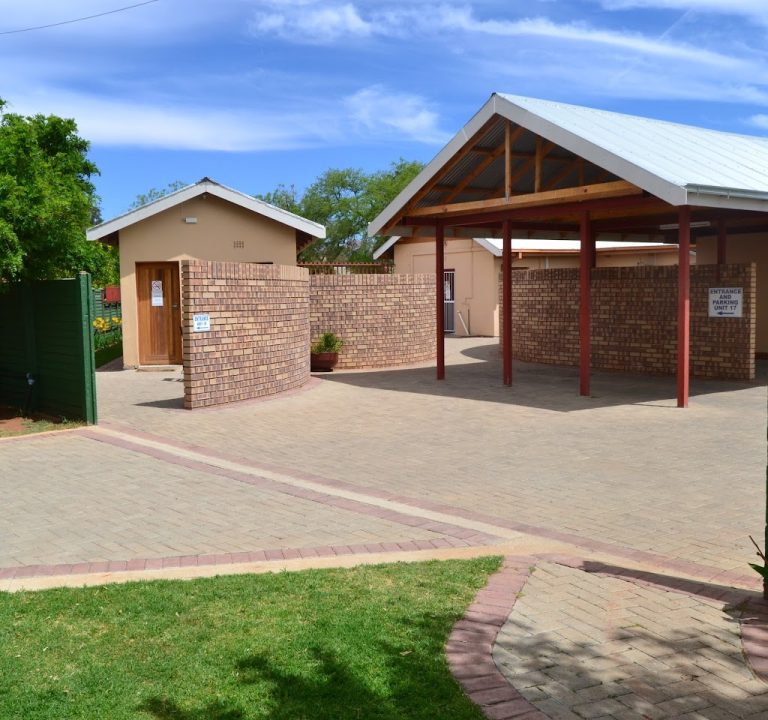
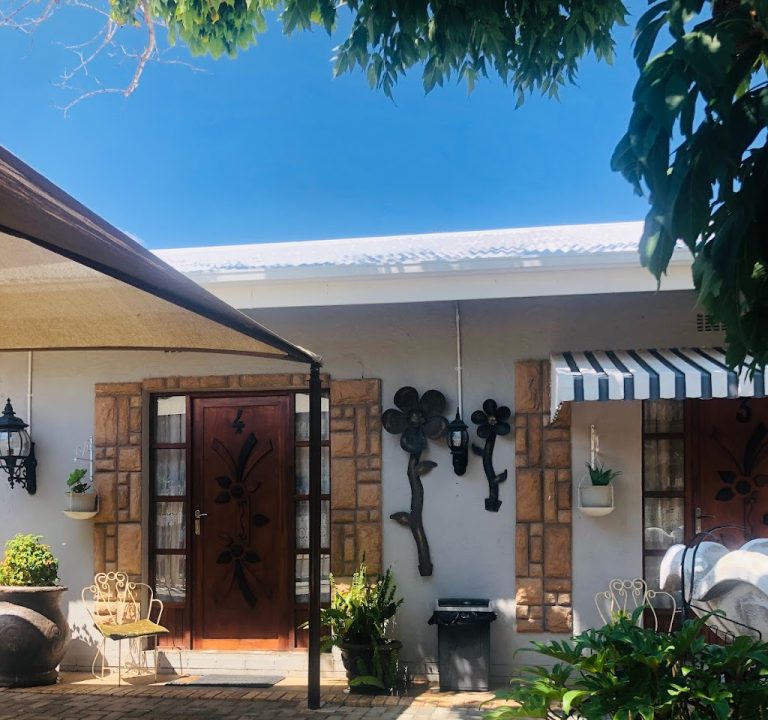
Accommodation in Kimberley ranges from guest houses and boutique stays to larger hotels and self‑catering options. A well‑located guest house or small hotel can offer a warm welcome, comfortable rooms and convenient transport links, often with included breakfast and secure parking. Prominent choices include guest houses with a personal touch and characterful rooms, which can be particularly appealing for travellers who value a homely atmosphere after a day of sightseeing. If you’re seeking a stay with easy access to the city’s historic sites, look for properties near the central business district or within walking distance of museums and the Big Hole precinct.
Areas to consider when choosing where to stay: the historic centre, which puts you within easy reach of the old diamond mining sites and museums; newer residential and business areas that often offer modern rooms and better parking; and proximity to Kimberley’s airport for travellers with limited time. For longer visits, you may prefer a guest house with the feel of a home base from which to explore the wider Northern Cape, including day trips to surrounding towns and landscapes.
Typical amenities to look for when booking include en‑suite bathrooms, reliable Wi‑Fi, a comfortable work or leisure space, and secure on‑site parking. Many Kimberley properties offer breakfast options, which can save time before a day of sightseeing. Some guest houses provide communal lounges, furnished verandas and garden spaces—perfect for relaxing after a day on the go. If you require wheelchair access or other accessibility features, filter listings accordingly and confirm ahead of booking.
Transport options are diverse. Kimberley is connected by road networks and has an airport with regular services to major South African centres. Within the city, you’ll find a mix of taxis and car hire, which makes self‑driven explorations straightforward. If you plan to venture beyond Kimberley, a car is typically the most convenient way to reach diamond‑heritage sites and nearby towns in the Northern Cape. Many guest houses can arrange airport transfers or local transport services on request, though it’s best to book these in advance where possible.
Best time to visit Kimberley depends on your preferences. Summers can be hot and dry, while winters are cool and clear—great for outdoor exploring and photography. Spring and autumn often offer pleasant conditions for walking tours around the historic precincts. If your trip centres on outdoor activities and sightseeing, consider shoulder seasons to balance comfortable weather with lower crowds and more relaxed itineraries.
Planning tips to help you get the most from your stay:
- Book in advance for popular periods or local events, especially if you want specific guest house characteristics or breakfast inclusions.
- Check the proximity of your accommodation to the sights you plan to visit and consider whether you’ll need a car or rely on taxis when mapping your days.
- Ask about self‑catering options or kitchen facilities if you prefer to prepare some meals, which can be convenient after long days of exploring.
- Confirm what amenities are essential for you (en‑suite bathrooms, power backup, air conditioning, Wi‑Fi, laundry facilities) and verify them before booking.
- Look for flexible booking policies and clear cancellation terms, just in case your plans shift.
Attractions and experiences in Kimberley sit on a spectrum from museums and historic sites to scenic outdoor outings. The Big Hole and related diamond heritage precincts offer insight into the city’s mining history, while local museums and galleries provide context about the region’s culture and landscapes. Shopping precincts, cafés and bistros inside or near the historic centre give visitors a sense of Kimberley’s modern life alongside its heritage. For dining, expect relaxed, family‑friendly venues that showcase local ingredients and regional favourites; many establishments emphasise a casual yet welcoming atmosphere, with menus that cater to a range of tastes.
As you plan an itinerary, consider pairing a day of heritage exploration with meals at nearby restaurants or breaks in a park or courtyard to soak up the warm climate and friendly hospitality. While specific names and prices may vary, the general approach remains the same: choose a well‑located base, enjoy comfortable amenities, and build a flexible schedule that allows time for both indoor and outdoor discoveries.
If you’d like a starting point for your Kimberley stay, you can explore official tourism resources for ideas on day trips, recommended routes and practical travel tips. For example, national and regional tourism sites offer broad guidance on what to see and how to plan your visit, with links to further information, attractions and dining options. When you’re ready to book, review guest house profiles, read recent guest reviews, and message properties to confirm any details about rooms, parking and breakfast arrangements.