Cape Town: Accommodation, attractions and practical planning for a memorable stay
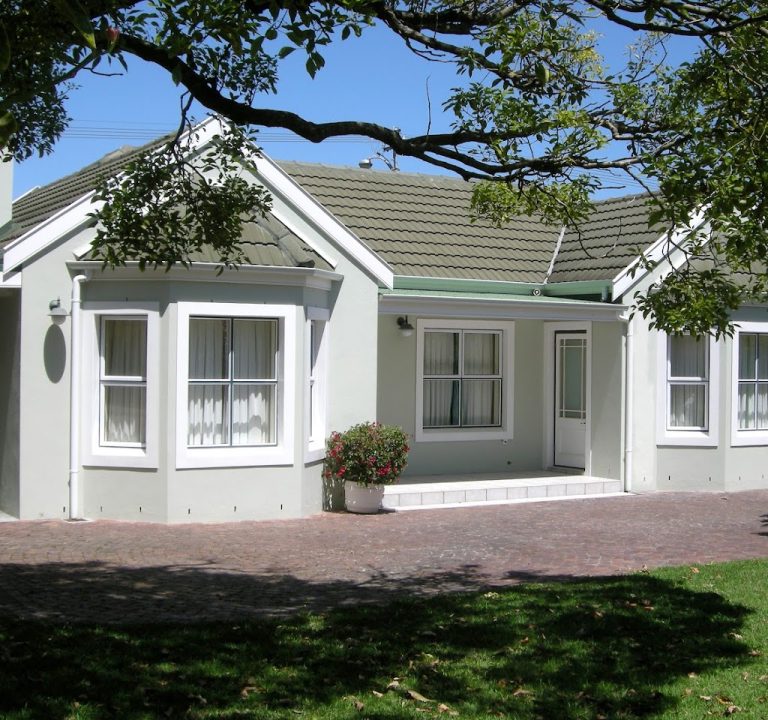
Few cities in the world offer such a graceful blend of natural beauty, cosmopolitan amenities and diverse neighbourhoods as Cape Town. When planning a stay, it helps to pick a base that aligns with your interests—whether you want easy access to beaches, mountain trails, or cultural sights. Cape Town’s guesthouses, boutique hotels and family-run lodges span a range of budgets and vibes, from leafy suburban havens to colourful harbour-front properties and chic urban residences.
Areas to consider
Constantia and the southern suburbs are ideal for tranquil stays with easy access to wine routes and green hills, while the Atlantic Seaboard (including neighbourhoods along the coast) tends to be popular with guests seeking dramatic sea views and a lively dining scene. The City Bowl, with its mix of historic streets and modern design, is a convenient hub for exploring museums, galleries, and nightlife. For a quieter, residential feel, look to leafy neighbourhoods slightly inland or along the peninsula’s quieter coves. If you’re visiting with family, seek out guesthouses or small hotels near a beach or with easy access to supermarkets and family-friendly activities. Princess Vlei and nearby parks offer a peaceful retreat within reach of central sights, making it a practical option for those who value green space without sacrificing convenience.
What to look for when booking
Consider the following practical points to narrow your choices:
- Location relative to your must-see attractions and transport links (Uber, minibus taxis, or MyCiTi bus routes).
- Guesthouse or hotel style: intimate, personal service with included breakfast, or a modern boutique property with on-site facilities such as a pool, restaurant or spa.
- Room configuration and privacy: check whether you’ll have an en-suite bathroom, and whether the layout suits couples, families or groups.
- Amenities: reliable Wi‑Fi, air conditioning, secure parking, laundry services and self-catering options can significantly affect your convenience.
- Reviews and consistency: recent guest feedback often highlights preparation for peak travel periods and responsiveness of staff.
- Safety and access: ensure well-lit entrances, secure entries and visitor guidance if you plan early mornings or late returns.
Typical amenities and what to expect
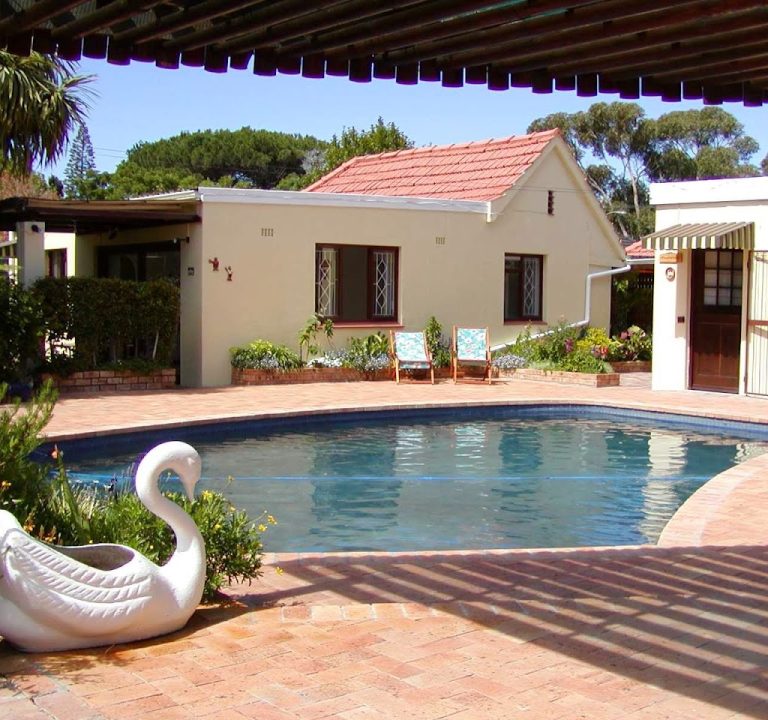
In many Cape Town guesthouses and small hotels, a hearty breakfast is standard, with options ranging from continental spreads to traditional favourites. Rooms commonly offer private baths, comfortable bedding, and quiet workspaces. A number of properties provide pools or courtyards for outdoor relaxation, and some have on-site restaurants serving contemporary or regional dishes. Not all properties feature on-site parking, so if you’re driving, confirm parking arrangements in advance. For those who rely on public transport, proximity to bus routes, rail stations or ride-sharing pick-up points can be a major convenience.
Transport and getting around
Cape Town’s geography means distances can feel shorter in time than they actually are, thanks to scenic routes and varied traffic patterns. If you’re staying near the city centre, walking and short taxi rides can cover many highlights. For trips to the Cape Peninsula, hiring a car enables flexible day trips to the coastline, beaches and nature reserves, while guided tours may offer a curated, stress-free way to see famous viewpoints such as the Table Mountain Cableway, Cape Point or the penguin colony at Boulders Beach. Ask your host or accommodation about the best local transport options, security considerations and parking rules to avoid delays.
Best time to visit
Cape Town’s climate features warm summers and mild winters. Peak travel months tend to be December through February, when sunny days and coastal activities are plentiful, but this also means higher prices and more crowds. Shoulder seasons—spring and autumn—often provide a good balance of pleasant weather and fewer travellers. Winter can bring cooler, windier days with occasional rain, but city sights and museums remain open and many guesthouses offer cosy, well-heated spaces and great value in off-peak periods. If you’re aiming for the Cape’s famed natural beauty, plan around marine and outdoor activities, such as hiking Table Mountain or visiting beaches, and check local advisories for any seasonal conditions.
Practical tips for a smooth stay
- Book early for peak periods and consider flexible rates where possible.
- Confirm what is included in breakfast and whether dietary options are available.
- If you’re visiting with mobility considerations, check accessibility details and elevator availability.
- Pack layers, sun protection and a light rain cover; coastal weather can be changeable.
- Bring spare cash for small purchases and tipping, as not all places accept every form of payment.
- Check the cancellation policy and any extra charges for late check-in or early check-out.
Food and experiences to look out for
Cape Town’s dining scene ranges from classic bistros to contemporary eateries that showcase local produce. When exploring the city, you’ll encounter markets, casual cafés and fine-dining venues that celebrate Cape Malay flavours, seafood and produce from the Western Cape. For a flavourful, low-stress introduction to the city, consider a guided walking tour, a harbour or neighbourhood stroll, or a day trip to the winelands or rugged coastline. Restaurants and attractions vary in price and availability, so consult current guides or your host for up-to-date recommendations and practical tips.
For further inspiration and planning resources, you can visit Cape Town’s official tourism site at any time. If you have a specific stay in mind, such as a guesthouse like Princess Vlei Guesthouse, you’ll find a variety of local options that combine comfort, locality and a welcoming home-from-home atmosphere.