Exploring Cape Town: Where to stay and what to do in the Western Cape
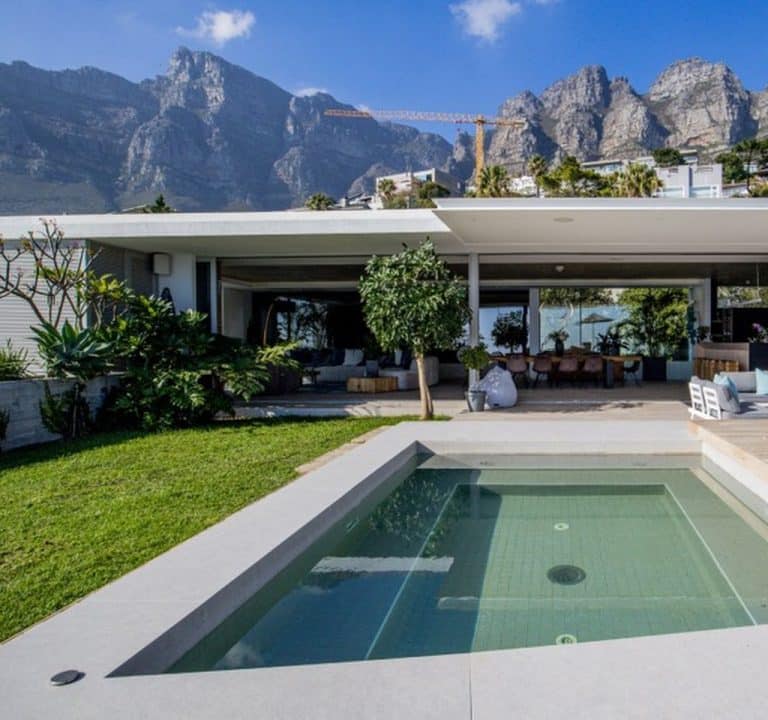
Cape Town offers a vibrant mix of coastal beauty, dramatic mountain scenery and a warm, inviting culture. When planning a stay in this city, choosing the right neighbourhood can influence your daily rhythm—from sunrise beach walks to easy access to city sights. A guest house such as Prime Camps-Bay provides a comfortable base in an area famed for its sunlit beaches, leafy streets and stylish dining. You can discover more about Prime Camps-Bay at their website: prime-campsbay.com.
Areas to consider include the Atlantic Seaboard for seafront charm and easy beach access; the City Bowl for pulse and proximity to museums, markets and nightlife; Green Point and Mouille Point for a compact hub with excellent transport links; and the Constantia Valley to feel a little quieter and more rural while still being close to the city. Each district has its own character, so think about how you want to spend your days—mountain views and beach time, or museums and markets on every doorstep.
When booking accommodation, look for a few practical features that can greatly improve your stay. A good breakfast can save time in the mornings, while on-site parking is a real asset if you plan to rent a car. Reliable Wi‑Fi is essential for planning day trips or catching up on travel notes. Air conditioning or efficient ceiling fans helps in the warmer months, and heating can be convenient for shoulder seasons. A friendly host or on-site staff who can share local tips is often the best value, providing a personalised sense of arrival in a new city.
Public transport in Cape Town is reasonable for many areas, with the MyCiTi bus network offering routes that connect the city to beaches, the waterfront and the airport. If you prefer more flexibility, consider a compact car or a reputable taxi app, especially for evenings out. For those who enjoy exploring on foot, neighbourhoods like the Gardens and the City Centre are most pleasant when temperatures are mild, while the Atlantic Seaboard becomes particularly appealing during the warmer months.
Best time to visit Cape Town varies with your interests. The summer months (generally November to February) bring warm, clear days and excellent beach conditions, ideal for outdoor adventures and coastal dining. Autumn (March to May) offers cooler, comfortable temperatures and quieter streets, which can be ideal for sightseeing. Winter (June to August) rarely brings heavy rain, but expect cooler weather and windy days; this can be a good time to experience the city without the peak-season crowds. Spring is lively as well, with wildflowers in nearby areas and a fresh buzz around markets and cafés.
Accommodation in Cape Town typically ranges from intimate guest houses to boutique hotels and self-catering stays. In a guest house setting, you can expect thoughtful touches such as a locally sourced breakfast, period features, and a cosy living area where guests mingle. Common amenities often include private bathrooms, tea and coffee facilities, safes for valuables, and sometimes curated maps or itineraries from hosts. If you are travelling with family or a small group, look for rooms with flexible layouts or suites that offer a bit more space and privacy without sacrificing the personal touch that smaller properties can provide.
Attractions and activities span nature, culture and culinary experiences. Iconic natural landmarks like a dramatic mountain backdrop or nearby nature reserves are common day-trip options. On the city side, museums, galleries and markets offer insights into South Africa’s diverse heritage. Practical planning tips include allocating time for a cable-car ascent up one of the nearby peaks, a stroll along a famous promenade, and a visit to an established outdoor market for local crafts and tasting opportunities. Dining in Cape Town emphasises fresh seafood, South African favourites and modern international cuisine; many areas boast a constellation of restaurants within easy reach of guest houses and hotels. When planning a day out, consider starting with a scenic harbour or coastal walk, followed by a wine-tasting drive through a nearby valley, and ending with a sunset meal at a restaurant with views over the water or the urban skyline.
To help you organise your stay, here is a quick guide to considerations when selecting a base:
- Proximity to your planned activities: beaches, Table Mountain cableway, the V&A Waterfront, markets and parks.
- Transport access: ease of reaching the city centre, beaches, and major routes.
- Room configuration: ensuite bathrooms, private balconies, or shared spaces depending on your group.
- Facilities: reliable Wi‑Fi, secure parking, breakfast service, and guest lounge areas.
As you map out your Cape Town itinerary, remember that the city is best enjoyed with a flexible mindset. Take time to wander the promenades, indulge in a seafood lunch with sea views, and set aside a day for an unforgettable nature excursion in the surrounding region. By selecting accommodation that aligns with your preferred pace—from tranquil suburbs to bustling urban precincts—you can ensure that your stay in the Western Cape feels both comfortable and authentically Cape Town.