St Lucia, KwaZulu-Natal: where to stay, what to do and how to plan your visit
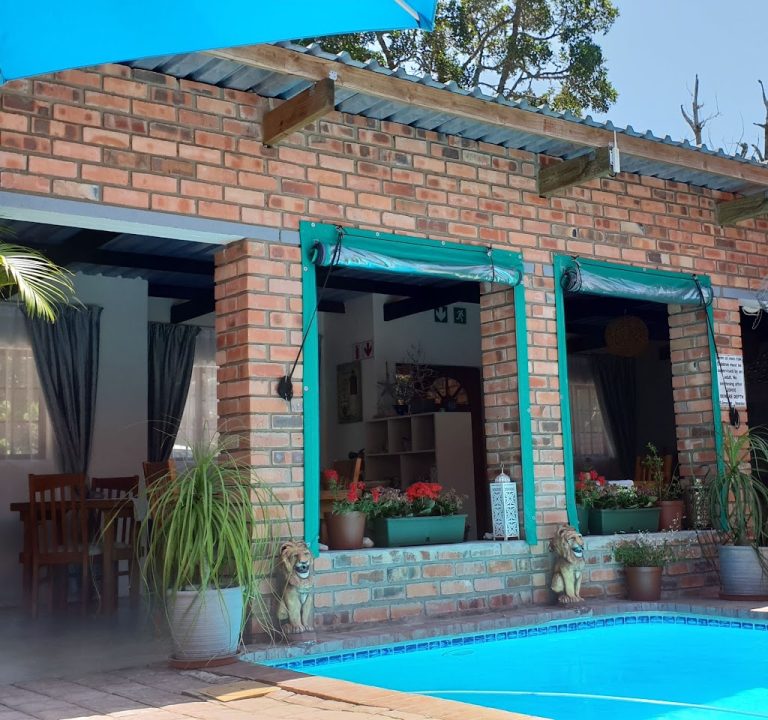
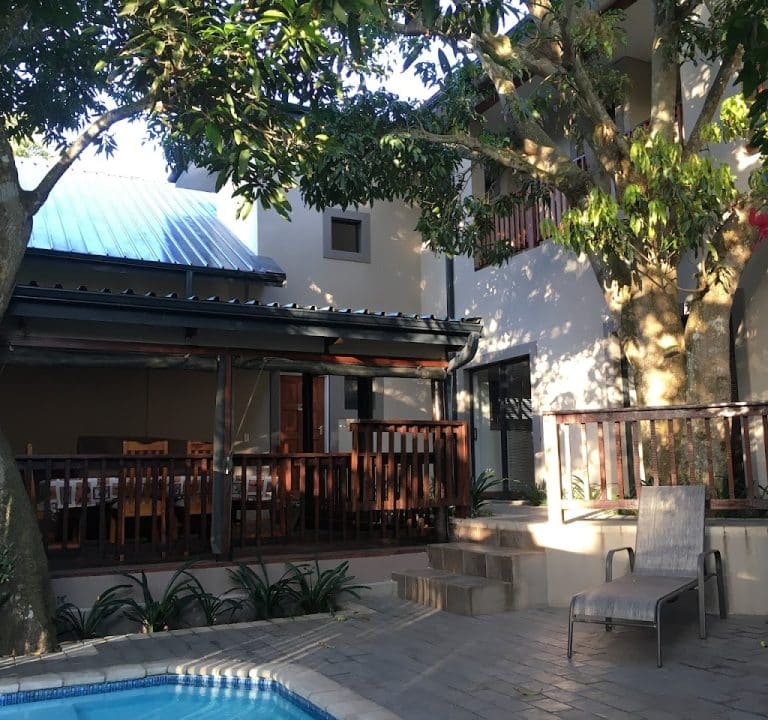
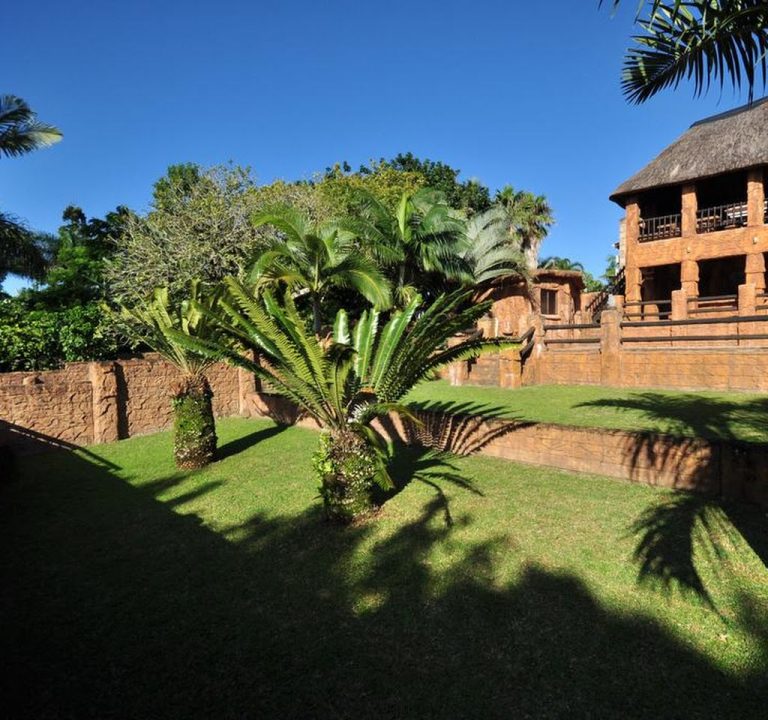
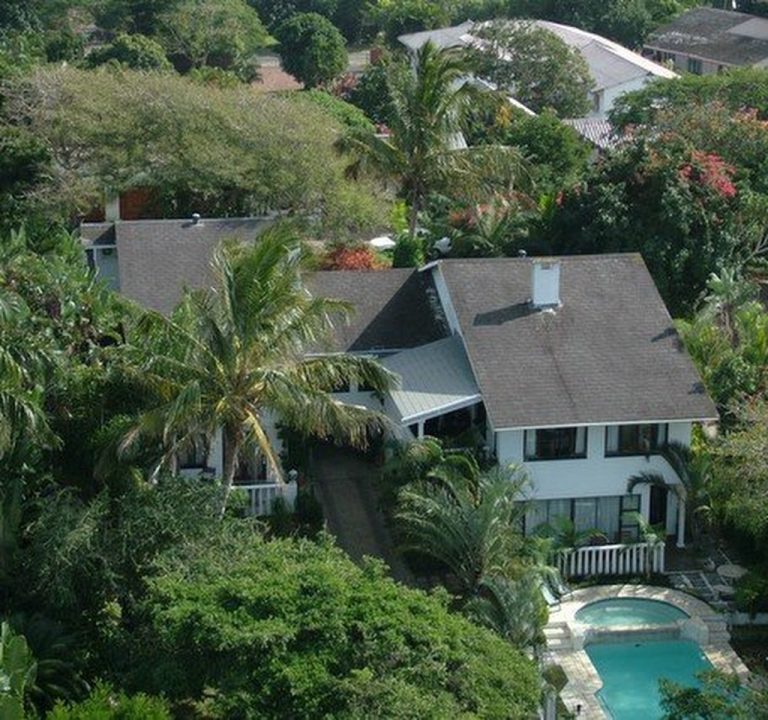
St Lucia is a compact, characterful town on KwaZulu-Natal’s famed Wild Coast, serving as a gateway to the vast iSimangaliso Wetland Park. Whether you are travelling solo, as a couple or with family, the area offers a gentle mix of laid‑back accommodation, wildlife encounters and easy access to beaches, estuaries and nature trails. For a stay that feels quintessentially South African, consider a guest house such as Pompano Guest House, which embodies warm hospitality and a convenient base from which to explore.
Accommodation in St Lucia ranges from intimate guest houses and boutique lodges to self‑catering cottages and small hotels. When choosing where to stay, think about how you intend to spend your days. If wildlife safaris and boat trips on the estuary are your priority, a central location with quick access to the harbour and promenade makes daily excursions effortless. If you prefer more quiet, leafy pockets away from the village buzz, look for properties on the outskirts that offer easy parking and larger rooms or private verandas. Many guest houses provide inclusive breakfast, secure parking, and friendly staff who can arrange guided tours, dhow cruises, and evening restaurant reservations.
Typical amenities to expect include en suite rooms, air conditioning or fans for warmer months, complimentary Wi‑Fi, a pool or shaded outdoor seating, and shaded car parking. Since St Lucia is a popular family destination, some properties cater for children with family rooms or larger suites. Practical touches such as mosquito nets, tea and coffee making facilities, and information on local walking routes or self‑guided nature trails can really enhance a stay. If you rely on connectivity for work or streaming, check the signal strength and whether the property offers a robust Wi‑Fi connection before you book. For guests seeking convenience, many guest houses are within easy walking distance of the village centre, shops, and popular eateries, while others provide a more secluded garden setting with a tranquil ambience.
Transport options are straightforward. A car gives you maximum freedom to explore coastal beaches, nearby beaches such as Cape Vidal, and the park’s entrance gates. If you prefer not to drive, many operators offer organised day trips and guided safaris from St Lucia, including wildlife drives in the iSimangaliso Wetland Park, boat cruises on the estuary to observe hippos and birds, and seasonal whale watching. Within the town, taxis and rideshare services can cover short hops between guest houses, restaurants and the estuary boardwalk. Arranging airport transfers in advance is wise, especially if you are travelling with luggage or small children.
Best time to visit St Lucia depends on your priorities. The area enjoys a warm subtropical climate with a distinct dry season in winter (roughly May to August) and a wetter summer. Wildlife viewing, especially on the estuary, is productive year‑round, but you may want to target the dry period for more predictable wildlife sightings and comfortable walking conditions. The summer months bring lush landscapes and migratory bird activity, while winter can feel more comfortable for daytime explorations. For marine life enthusiasts, coastal conditions and sea breezes vary with the seasons, so it’s worth checking local forecasts and seasonal notes before you plan boat trips or beach days.
When planning your stay, consider these practical tips to make the most of your visit:
- Book accommodation with flexible cancellation policies, especially if your plans are not yet fixed.
- Ask about the proximity to the iSimangaliso entrance gates and the estuary, so you can make the most of early morning or late afternoon wildlife opportunities.
- Check whether breakfast is included and whether there are options for packed lunches or picnics if you are out all day.
- Confirm parking arrangements if you plan to hire a car; some smaller streets can be tight or congested in peak season.
- Inquire about guided tours or activities offered by the property, which can simplify your itinerary and provide local insights.
As for things to do, you’ll find a gentle mix of nature and culture. Enjoy wildlife watching on the estuary, take a boat or canoe trip to see hippos and birdlife, or explore the nearby cultural heritage and walking trails. For a relaxed day, stroll along the village promenade, browse local craft stalls and sample simple, fresh fare at family‑run eateries. While dining, you’ll likely encounter dishes inspired by coastal and rural Zululand traditions, prepared with seasonal produce and a touch of coastal flair. If you’re seeking a broader dining scene, regional towns offer a range of casual restaurants and cafés where locally sourced ingredients feature prominently.
For more information on the region and activities, you can explore resources about KwaZulu‑Natal’s coast and iSimangaliso’s world‑renowned landscapes. A good starting point is a dedicated tourism site that covers wildlife reserves, conservation efforts, and visitor experiences across the area. When you plan your stay, keep in mind that some operators and attractions publish schedules or capacity limits in peak season, so booking ahead for popular experiences can save time and ensure you don’t miss out.
In summary, a stay in St Lucia blends comfortable, welcoming accommodation with access to one of South Africa’s most remarkable natural areas. With careful planning—considering location, amenities, transport, and seasonal opportunities—you can enjoy a relaxed holiday that balances restful moments with engaging wildlife and gentle adventures. Whether you choose a cosy guest house with a homely feel or a private cottage with outdoor space, St Lucia offers a friendly base from which to uncover the region’s wildlife, landscapes and local hospitality. For more inspiration and practical tips, visit reputable regional tourism resources and plan a stay that suits your pace and interests.