Plettenberg Bay: accommodation, attractions and planning your stay
Plettenberg Bay, or Plett as many travellers affectionately call it, is a versatile base for exploring the Garden Route. With a coastline that fuses powdery beaches, river estuaries and forest-clad hills, the town offers a range of stays from stylish villas and intimate guesthouses to family-friendly lodges. Whether you are seeking a secluded retreat or a lively spot close to shops and eateries, you’ll find options that suit different budgets and rhythms of travel.
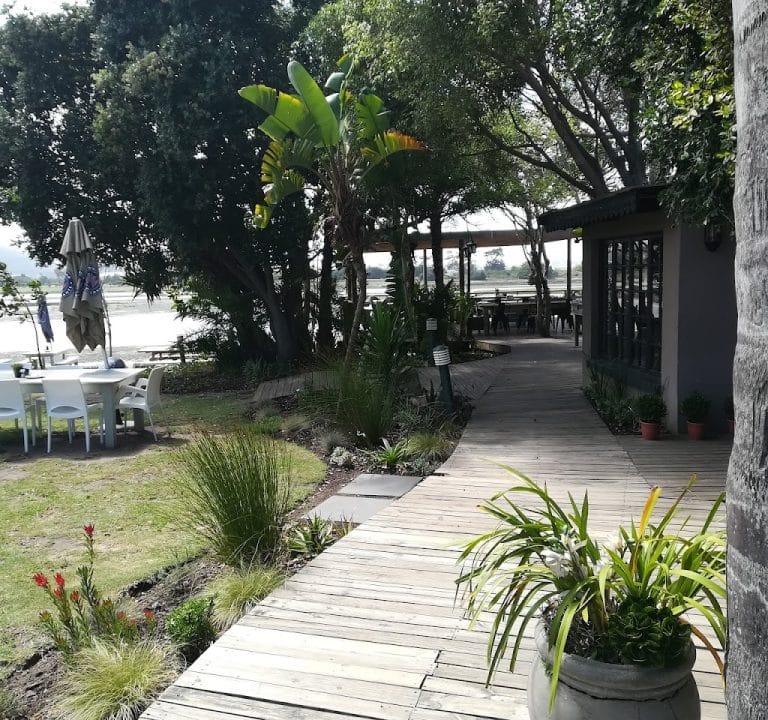
When planning where to stay, consider the different neighbourhoods and what you want from your days. The central lagoon area provides easy access to beaches, restaurants, and long harbour walks, while pockets slightly further afield offer greater privacy and a sense of serenity. If you prefer a true coastal village atmosphere, look for properties near the main beaches or along scenic drives that link viewpoints, boat ramps, and nature reserves. For families or groups, self-catering villas or apartment-style accommodations can offer convenient space and flexibility, often with communal facilities such as pools or gardens.
Typical accommodation features in Plettenberg Bay include spacious living areas, multiple bedrooms, private outdoor spaces, and reliable housekeeping arrangements. Properties designed for longer stays may include full kitchens, laundry facilities, and secure parking. In guesthouses and boutique lodges, you’ll often find personalised service, a light breakfast option, and easy access to local trails or guided activities. When booking, think about what you need for a stress-free stay: a private entrance for evenings in, air conditioning or good ceiling fans for warmer months, reliable Wi‑Fi for remote work or streaming, and clear information on check-in procedures.
Transport around Plettenberg Bay is straightforward but planning ahead saves time. If you plan day trips to neighbouring coastal towns or additional reserve areas, a car is the most convenient option. Parking is usually available at most villas and guesthouses, and many properties provide guidance on local taxi or ride-share services. For those who prefer not to drive, some areas are walkable from the town centre and lagoon, while hired bicycles can offer a more active pace along coastal paths. Remember to check access details if you are staying in hillside locations—some properties may require steps or uneven terrain.
The best time to visit Plettenberg Bay depends on what you want from your stay. The summer months (December to February) bring warm sea conditions and longer days, ideal for sunbathing and water-based activities. Autumn (March to May) tends to be cooler and quieter, with excellent conditions for hiking and wildlife spotting. Winter (June to August) remains mild by European standards, offering a tranquil atmosphere and good opportunities for whale watching from certain vantage points. Spring (September to November) can be particularly beautiful as wildflowers bloom and trails are refreshingly lush. Pack layers for cooler evenings, a lightweight rain jacket, and sun protection for daytime outings year-round.
When it comes to attractions, Plettenberg Bay offers a balanced mix of natural beauty and easy leisure. You can expect long sandy beaches for swimming and surfing, river and estuary experiences for kayaking or stand-up paddleboarding, and forest trails that reveal birds, primates and other coastal wildlife. Nature reserves and viewpoints nearby make for rewarding morning or late-afternoon excursions, with routes that suit all fitness levels. For a relaxed day, a stroll along the harbour and beachfront promenade, stopping for a light meal or coffee at a beachfront café, is a popular option. If you enjoy water-based activities, there are options for boat trips and guided dolphin or whale watching excursions when in season, typically operated by local operators who prioritise safety and environmental responsibility.
For dining, Plettenberg Bay offers a broad spectrum from casual eateries to more refined restaurants. Expect menus that highlight fresh seafood, regional produce and vibrant flavours. Many establishments emphasise seasonal ingredients and sustainable sourcing. If you’re staying in a villa or guesthouse with self-catering facilities, you can also opt for barbecues or private dining arrangements, which can be a pleasant alternative after a day of exploration. Booking well in advance is wise during peak seasons, and you’ll often find special breakfast inclusions or flexible dining options noted on property pages.
Practical tips to help you make the most of your stay:
- Book in advance for peak seasons and school holidays to secure your preferred area and property type.
- Ask hosts about nearby activities, guided tours, and safe swim spots appropriate for families or experienced swimmers.
- Clarify access details, including parking, stairs, and other accessibility considerations if needed.
- Prepare for variable weather by packing layers, sun protection, and a lightweight rain jacket.
- Consider a mix of stays—perhaps a couple of nights by the lagoon for easy access to beaches, followed by a countryside or hillside villa for quiet evenings.
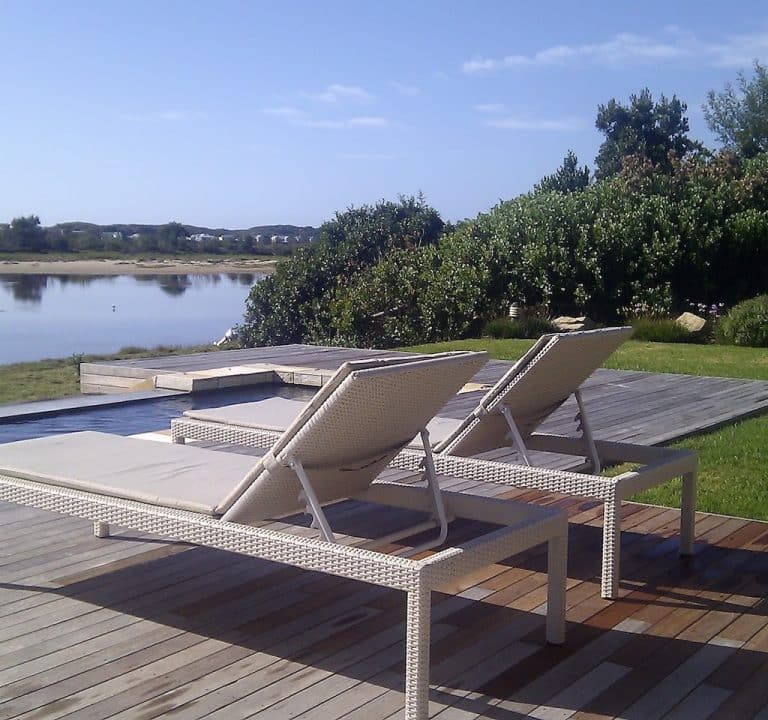
As you plan, it’s worth noting that Plettenberg Bay sits along a region rich with nature-based activities and scenic routes. While you don’t need to book every excursion in advance, having a loose plan can help you fit in the highlights without feeling rushed. Whether you are drawn to coastal strolls, wildlife encounters, or simply relaxing with a good book on a terrace, Plettenberg Bay provides a hospitable base from which to explore the Western Cape’s famed landscape. A stay at a villa such as Plett Lagoon Villa by Country Hotels offers a private, comfortable platform from which to enjoy the town’s amenities and surroundings, while other guesthouses and lodges provide characterful, intimate settings that emphasise local hospitality and easy access to Plettenberg Bay’s most-loved spots.