Accommodation and Experiences in Cape Town: Planning a Memorable Stay
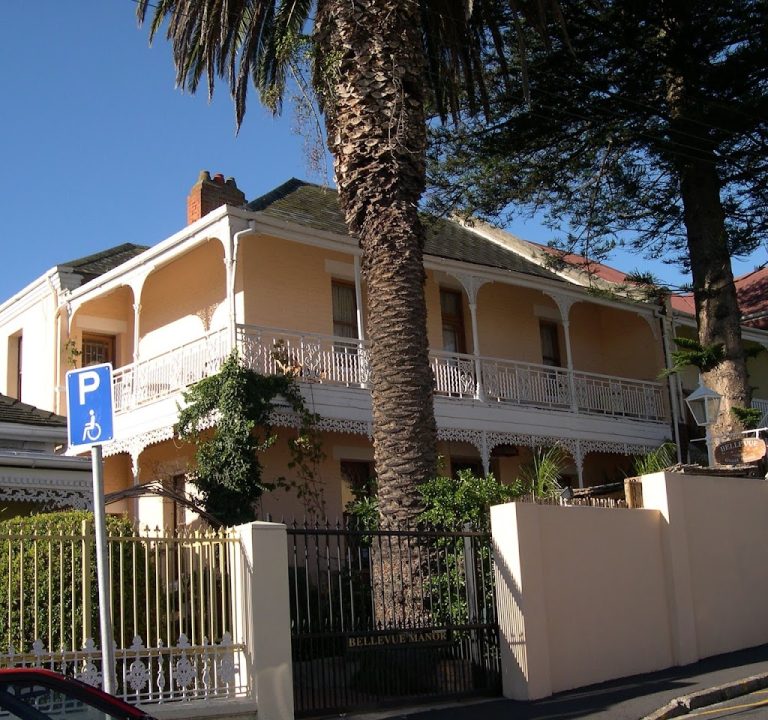
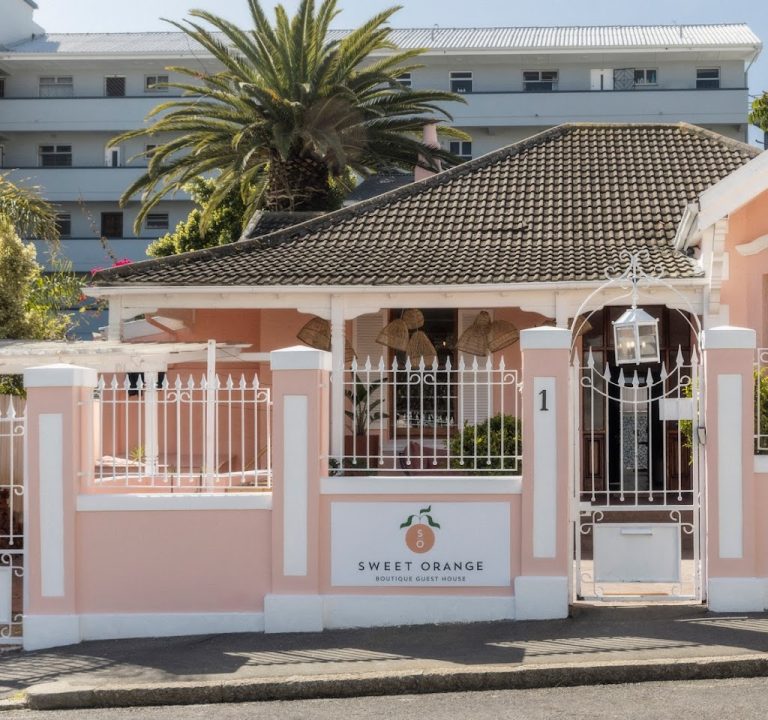
Cape Town, in the Western Cape of South Africa, offers a diverse range of places to stay, from stylish city hotels to intimate guesthouses and self-catering apartments with harbour views or mountain backdrops. When planning a trip, think about what you want from your base: proximity to natural beauty, access to culture and dining, or a quieter residential neighbourhood with easy transport links. The following guide highlights practical considerations for choosing accommodation, along with ideas for making the most of your time in and around the city.
Begin with location, then assess facilities. The city centre and the V&A Waterfront are convenient for first-time visitors who want walkable access to landmarks, museums, and a vibrant dining scene. The Atlantic Seaboard offers a coastal setting with stylish hotels and guesthouses, often with terraces overlooking the ocean. If your priority is leafy tranquillity and safe suburban atmosphere, neighbourhoods like the Constantia Valley or the southern suburbs can be excellent choices, with easy drives to wine estates, markets, and hiking trails. For a classic Cape Town experience close to Table Mountain, consider staying in the City Bowl or adjacent areas that provide easy access to both urban attractions and the surrounding nature.
When booking, look for a few key amenities and practical details that make a stay comfortable. Essential elements include reliable Wi‑Fi, air conditioning or good ventilation, secure parking if you’ll have a car, and clear information about access and security. An in-room kitchenette or a self-catering option can be a great help for longer breaks or families. If you prefer a social setting, a guesthouse with a shared lounge or communal kitchen can offer opportunities to meet fellow travellers. For sustainability-minded visitors, many properties highlight energy-efficient practices, recycling, and water-saving measures—worth checking when planning a longer stay.
Transport is a central consideration in Cape Town. The city centre and popular tourist zones are walkable to a point, but a car provides flexibility to explore further afield. Many visitors opt for a vehicle rental for day trips to the Cape Peninsula, Hout Bay, and Constantia wine routes, or to reach beaches and viewpoints outside the immediate city core. Some accommodation providers offer shuttle services or recommended transfer options, which can simplify arrivals and outings, especially if you arrive after dark. If you prefer not to drive, look for places near MyCiTi bus routes or tram services, which connect key sights with city stops.
Best time to visit Cape Town depends on what you want to do. Spring (September to November) and autumn (March to May) often deliver pleasant weather, calmer crowds, and excellent photo opportunities as colours change with the seasons. Summer (December to February) brings warmer seas and a lively holiday atmosphere, ideal for beach days and outdoor markets, though it can be busy. Winter (June to August) is quieter and offers cooler temperatures; this is a wonderful period for restaurant tables and interior experiences, with the city’s culture and cuisine thriving year-round. No matter the season, plan for variable coastal winds and occasional rainfall, packing layers and sun protection.
Attractions and experiences to consider during your stay include the following general categories. First, iconic natural beauty and outdoor activities: a cable-car ride or hike near a famous mountain, scenic coastal drives along dramatic viewpoints, and penguin-spotting on nearby shores. Second, world-class beaches and water-based outings, from safe family bays to surfing and boat trips. Third, cultural and historical experiences, such as museums, galleries, and markets that capture the city’s diverse heritage. Fourth, food and drink experiences, ranging from market days and casual eateries to refined dining centred on local produce and wine pairings. Finally, day trips to nearby regions famed for wine, nature reserves, and historic towns provide a broader sense of Western Cape life.
For dining, Cape Town’s culinary scene covers everything from casual harbour-side eateries to refined fine-dining establishments. In general terms, you’ll find menus emphasising fresh seafood, seasonal produce, and multicultural influences. Many venues offer al fresco dining options, particularly during warmer months, and some properties feature on-site restaurants with breakfast or dinner services. If you prefer discovering local favourites independently, consider a mix of market visits, casual cafés, and a couple of well-regarded restaurants to balance convenience with discovery. Always check opening hours and whether a booking is essential, especially during peak seasons.
To help plan your stay, here is a short checklist of practical steps:
- Research neighbourhoods in relation to your interests (beaches, mountains, dining, markets) and proximity to planned activities.
- Compare properties by total price, not just nightly rate, including cleaning fees, parking, and access to facilities.
- Look for flexible cancellation policies, especially if your plans might shift with weather or travel restrictions.
- Check transport options from your accommodation to major sights and to the Cape Town International Airport.
- Review guest reviews for insights on quiet hours, cleanliness, and staff helpfulness.
When you’re ready to book, reputable accommodation platforms or official tourism pages can provide up-to-date listings and community reviews. For ongoing inspiration and practical planning, you might consult resources such as destination guides and online itineraries that profile different Cape Town corners and day-trip opportunities. With thoughtful selection and a flexible plan, Cape Town can be experienced as a dynamic urban hub with easy access to extraordinary natural beauty, culinary excellence, and a welcoming regional culture. For more information on places, accommodation options, and planning tips, you can visit official tourism sites at https://www.capetown.travel or equivalent regional pages.