Wilderness, Western Cape: where to stay and what to do
Nestled along the Garden Route, Wilderness sits between the jaws of the Indian Ocean and a chain of forested hills, offering a relaxed blend of coastal charm and outdoor adventures. The town functions well as a base for exploring nearby forests, lakes, and beaches, while also presenting a selection of self-catering stays, guesthouses, and small hotels that are well suited to families, couples, and solo travellers alike. A stay here often centres on easy access to nature, with a slow pace that makes it simple to plan days around long beaches, calm lagoons, and scenic hikes.
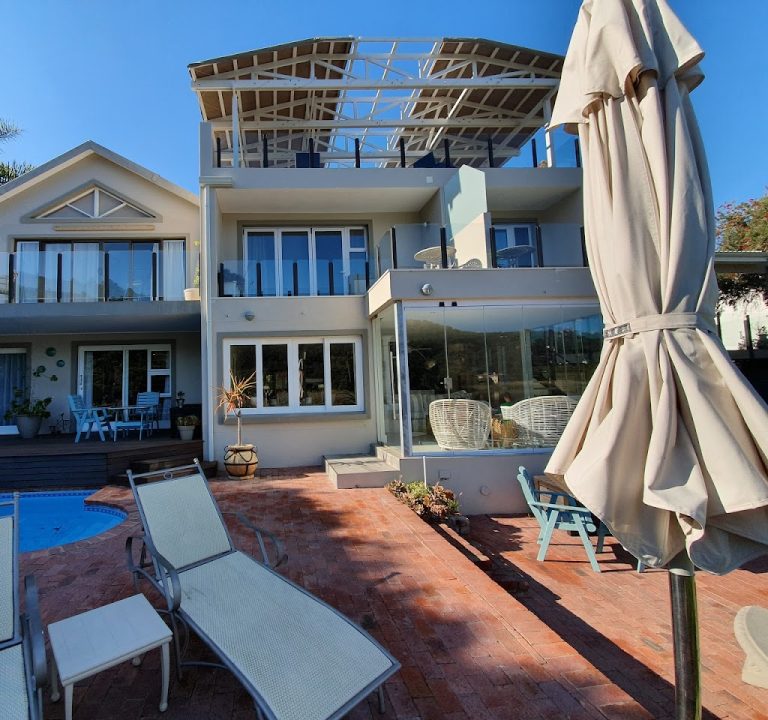
Accommodation in Wilderness ranges from self-catering units such as cottages and apartments to intimate guesthouses and boutique hotels. One notable category to look for is self-catering options, which can offer the greatest flexibility for families or groups wanting to self‑drive or self‑cook after a day on the coast. In the local market you may encounter properties described as “self-catering” or “holiday homes” and, occasionally, smaller boutique stays that combine home comforts with personalised service. A notable example to consider is Pirates Creek no 9, a self-catering option that emphasises a relaxed, home-from-home atmosphere in a convenient location for beach and forest access.
Where to stay depends on what you want to prioritise. If you value beach access and water-based activities, look for lodging near the main beaches or the estuarine areas where the river meets the sea. For forest air and birdwatching, seek out properties within or adjacent to the indigenous forests and nature reserves. Proximity to the town’s amenities—cafés, markets, and casual eateries—can be a plus if you prefer to stroll to dinner or linger over a morning coffee before heading out for a day’s exploration.
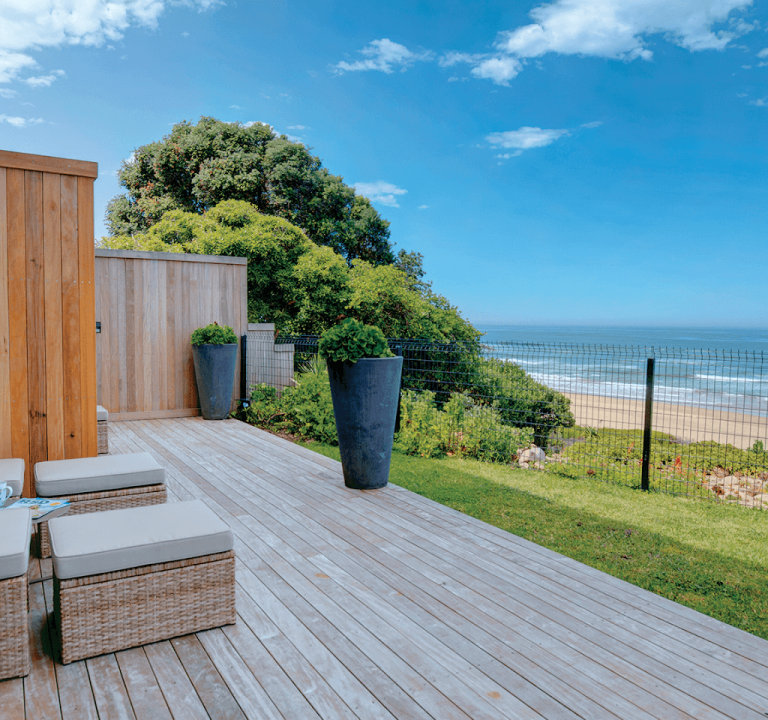
Typical facilities you might encounter include well-equipped kitchens or kitchenettes, comfortable living spaces, heating or fans for changing seasons, private outdoor spaces such as decks or small gardens, and secure parking. Some properties offer fireplaces or braai (barbecue) facilities for cooler evenings, while others provide communal outdoor spaces with barbecue areas. When booking, check whether bedding configurations suit your party size, whether towels are supplied, and what cleaning or housekeeping arrangements are included. If you’re travelling with children, inquire about child-friendly features such as safe outdoor spaces, high chairs, and cots, if required.
Transport in Wilderness is generally straightforward. The area is lay‑back enough to explore on foot or by bicycle in calmer stretches, but a car is highly convenient for reaching beaches, lookout points, forests, and day trips along the Garden Route. If you’re not driving, check for proximity to local tuk-tuk services or shuttle options associated with your stay. Some guesthouses and self-catering properties offer parking or can assist with local transport arrangements, which can make a big difference to your daily plans.
The best time to visit Wilderness depends on your preferred climate and activities. Summers (roughly November to March) are warm and suited to long beach days and water activities, while autumn and spring bring milder temperatures ideal for hiking and wildlife watching. Winter is cooler and can be rainy, but it often affords dramatic coastal scenery and quieter trails. If you’re aiming to avoid peak crowds, consider shoulder seasons when the weather remains pleasant but the town is less busy. Always check local forecasts ahead of your trip and pack layers to cover a range of conditions, particularly if you plan outdoor adventures or long walks along the coast.
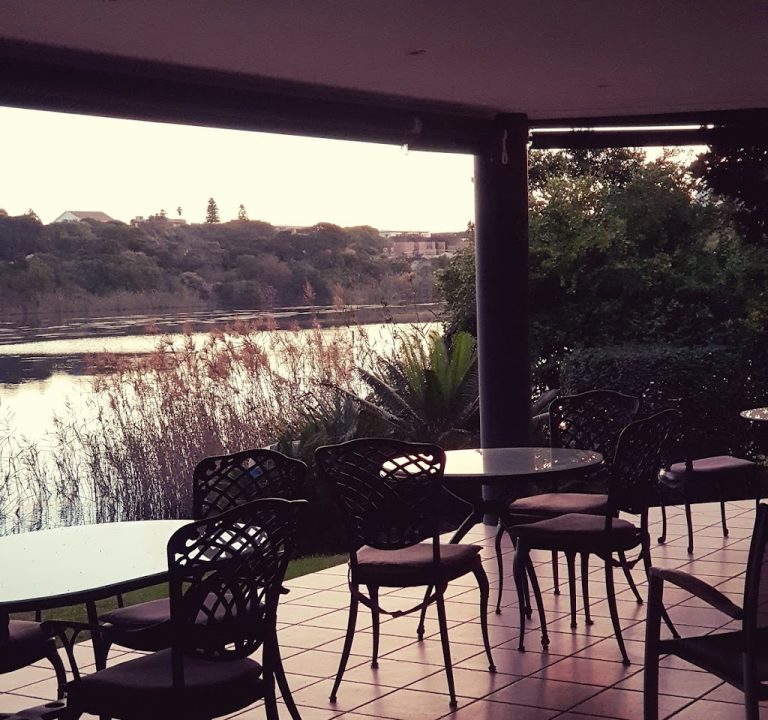
When planning a stay, combine accommodation with a flexible activity plan. Wilderness offers easy access to scenic walks, coastal lookouts, and forest trails, as well as opportunities for boating, kayaking, and birdwatching on river and estuary systems. For dining, you’ll usually find a handful of cafés and casual restaurants offering light meals, seafood, and comforting country dishes that suit a relaxed coastal vibe. Rather than relying on a single venue, sample several spots over a few evenings to experience the local flavour and foundation of hospitality that characterises the area. If you prefer to dine in, many self-catering properties provide well-equipped kitchens and nearby markets where you can purchase fresh produce for easy home meals.
Practical tips for a smooth stay:
- Book early for peak seasons, especially if you want a specific self-catering property or a particular beachfront position.
- Read property reviews for notes on cleanliness, noise levels, and the reliability of Wi‑Fi if you need to work while away.
- Confirm access to essential amenities (kitchen utensils, laundry facilities, parking) before arrival.
- Bring suitable outdoor gear for beach days, forest trails, and potential rain; pack sun protection for longer days in the sun.
- Plan transportation to cover longer drives along the Garden Route and short trips to neighbouring towns or nature reserves.
For ideas on regional attractions and practical planning resources, you can explore general tourism information from the Western Cape or local visitor guides. While general guidance and examples help, verifying current conditions and opening times closer to your visit will ensure you get the most out of your Wilderness stay.