Accommodation and Experiences in Cape Town: Planning a Memorable Stay
Cape Town in the Western Cape offers a diverse tapestry of lodgings, from boutique guesthouses perched on the hillsides to modern hotels tucked away in bustling neighbourhoods. Whether you are seeking a coastal escape with ocean views, a city-centre base close to museums and markets, or a tranquil retreat a short drive from winelands and nature reserves, the key is to match your stay to your plans, pace and price point. For those exploring the Atlantic side, consider options such as bayside lodgings and well-appointed self-catering stays that put you within easy reach of beaches, dramatic coastal drives and family-friendly activities.
Areas to consider when booking include the Atlantic Seaboard, the City Bowl, and the Constantia Valley, each offering distinct vibes and convenient transport links. The Atlantic Seaboard is famed for sea views, upscale dining and a cosmopolitan atmosphere. The City Bowl puts you at the heart of Cape Town’s cultural landmarks, markets and nightlife, with quick access to MyCiTi buses and the train network. Constantia and nearby Kirstenbosch provide leafy tranquillity, easy drives to vineyards and hillside walks, and a slower pace prized by travellers seeking relaxation as well as sightseeing.
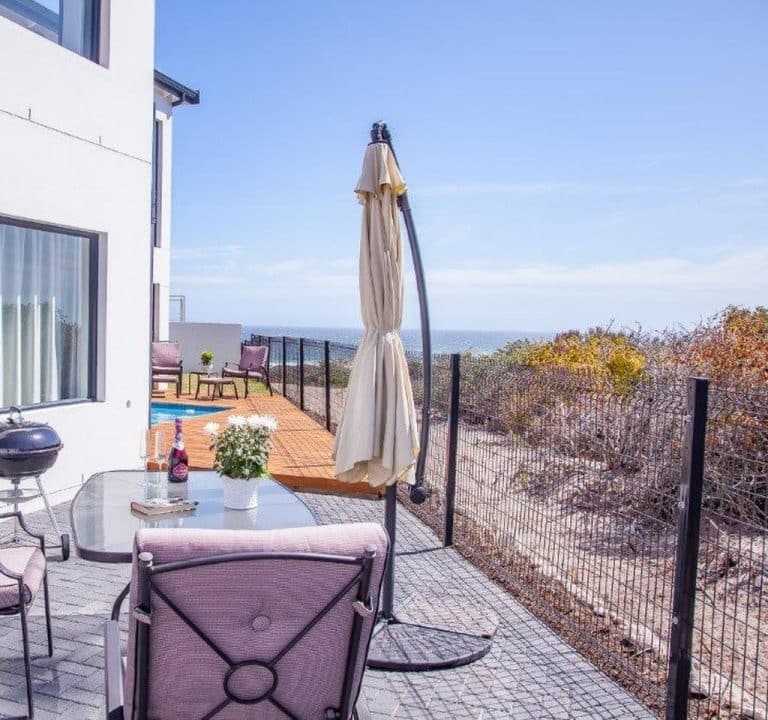
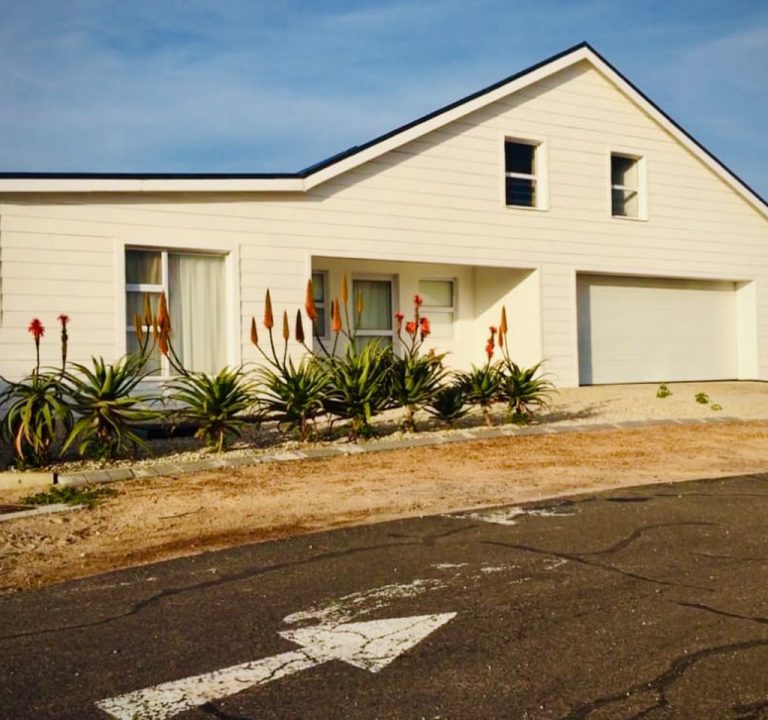
For those planning a longer stay or a family-friendly itinerary, consider self-catering apartments or guesthouses that offer kitchen facilities, separate living spaces and flexible booking terms. Paradise Found, for example, is a lodging option that emphasises comfort and the convenience of a well-equipped base in a scenic setting. When browsing, look for clear descriptions of room types, private bathrooms, and the availability of on-site facilities such as laundry, parking, and Wi‑Fi. A well-presented property listing that includes detailed photos and a transparent cancellation policy helps you compare options confidently.
What to look for when booking
- Proximity to planned activities: If you plan to hike Table Mountain, visit Robben Island, or enjoy the V&A Waterfront, choose a stay within easy transport reach to minimise travel time between experiences.
- Transport links: Check access to reliable public transport, car rental options, or secure parking if you will be driving. Some areas are best explored by car, while others are walkable.
- Amenities and comfort: Expect reliable heating or cooling, good bedding, enough power outlets for devices, and a functional bathroom. If you are travelling with children or companions with mobility needs, look for accessible features and ground-floor rooms or lifts.
- Safety and security: Research well-lit common areas, secure entrances, and a responsive host or property manager who can offer local advice.
- Reviews and transparency: Read a balanced mix of recent reviews to gauge consistency, responsiveness and whether listings match the description.
Typical amenities you may encounter include en-suite bathrooms, air conditioning or heating, free Wi‑Fi, a communal lounge or kitchen, and outdoor spaces such as terraces or gardens. Many properties offer breakfast options or the convenience of a self-catering setup, allowing you to tailor meals to your schedule. If you require parking, verify whether it is on-site, gated, or subject to availability. For longer stays, consider a property with washing facilities or access to a laundromat nearby.
Transport and getting around
Cape Town’s geography means that a car can be useful for venturing to the Cape winelands, Cape Point, and the Cape Floral Region. However, within central areas, reliable public transport and ride-hailing services can minimise the need for a private vehicle. Some lodgings offer shuttle services to major sights or convenient pickup points for tours. If you plan several day trips, budgeting for intercity transfers or planned tours can help you maximise time at each destination.
Best time to visit and practical planning tips
Spring (September to November) and autumn (March to May) are often ideal for milder weather and fewer crowds, though Cape Town’s climate is characterised by a mix of sun, wind and occasional showers. Summer brings longer days and a lively atmosphere, particularly around the V&A Waterfront and beaches, while winter can be cooler and wetter, yet still rewarding for museum visits and cosy evenings. Pack layers, a light rain jacket, and comfortable walking shoes for hillier areas. If you plan to hike or drive along scenic coastal routes, start early to avoid peak traffic and midday heat.
Practical tips to enhance your stay
- Book a residence with a flexible cancellation policy, especially if you are travelling during shoulder seasons or anticipate itinerary changes.
- Check kitchen facilities if you prefer self-catering, and confirm nearby supermarkets or markets for fresh ingredients.
- Consider a stay with access to a safe outdoor area, particularly if you appreciate views and open-air spaces.
- Know the neighbourhood’s character: some areas are vibrant and bustling after dark, while others are more peaceful and residential.
- Explore a mix of experiences: add a day trip to the winelands, a visit to the Cape Peninsula scenic routes, and a cultural outing to museums and galleries to balance nature, cuisine and history.
Beyond the accommodation, Cape Town’s dining scene offers a spectrum from casual eateries to refined venues with views of the harbour or hills. There are many opportunities to sample regional flavours, from fresh seafood to chef-driven fusion dishes, along with markets where you can taste and purchase local produce. For travellers seeking a guided experience, local operators offer city tours, township visits, and nature excursions that showcase the region’s biodiversity and unique heritage. Remember to book ahead for popular experiences, particularly during peak seasons, and to review any accessibility information or age restrictions when planning bookings.