Accommodation and experiences in Cape Town: where to stay and what to do
Cape Town blends dramatic scenery with a welcoming hospitality scene, offering a range of stays from intimate bed & breakfasts to stylish boutique hotels and family-friendly guesthouses. When planning a visit, think about what kind of neighbourhood will best suit your holiday rhythm—whether you want easy access to the city’s iconic sights, a beachside atmosphere, or a leafy, tranquil setting close to vineyards. A good plan combines a comfortable base with diverse activities, so you can return each evening to a neighbourhood that feels like home.
Popular areas for accommodation include the City Bowl and the V&A Waterfront for easy access to restaurants, shops and nightlife, the Atlantic Seaboard for sea views and upmarket dining, and Constantia or the Southern Suburbs for a slower pace and easy access to wine estates. Camps Bay and Clifton offer sweeping ocean vistas and a resort feel, while Bo-Kaap provides characterful boutique stays with steep, scenic streets nearby. If you prefer a quieter stay with greenery, Constantia’s vineyard belt and the southern suburbs are excellent choices. For modern conveniences and convenient transport, many guests favour areas within reach of MyCiTi bus routes or a short taxi ride to central sights.
When choosing a place to stay, consider the following practical factors. Location should align with your planned days: will you be spending long mornings on Table Mountain, afternoons at the V&A Waterfront, or touring the Cape Peninsula? Check reviews for accessibility, parking arrangements (important if you’re hiring a car), and whether the property offers breakfast or self-catering options. Look for warm sophistication in a range of rooms, en-suite bathrooms, reliable wi‑fi, and comfortable bedding. For family trips, confirm if rooms can be interconnecting or if suites provide enough space. If you have mobility needs, verify elevator access or ground-floor options. Finally, balance price with value—some intimate guesthouses include thoughtful extras such as in-room tea and coffee facilities, laundry services, or shared lounges that encourage socialising with fellow travellers.
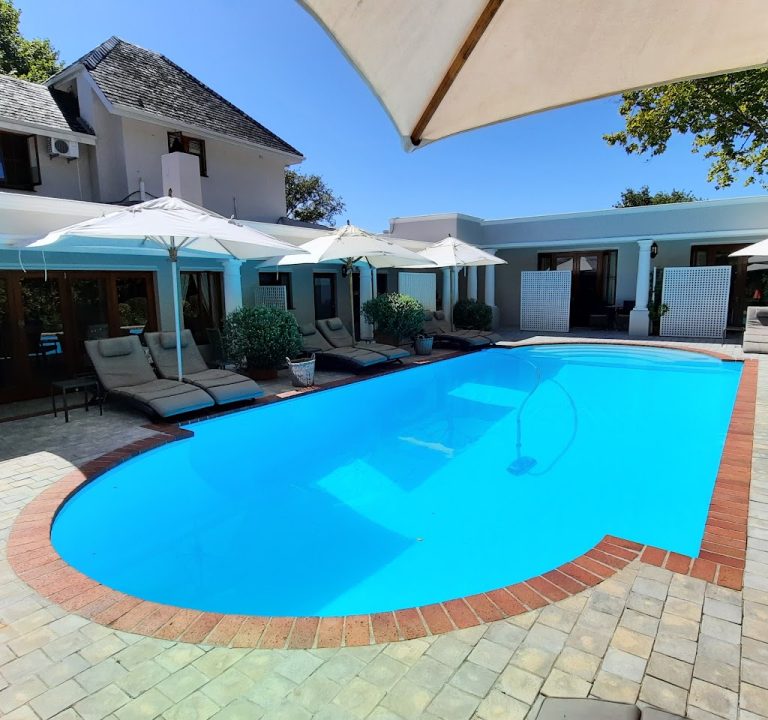
Typical amenities you might encounter include inclusive breakfast, private or communal seating areas, secure on-site parking, complimentary Wi‑Fi, and easy access to local dining. Many properties offer curio-filled lobbies, sunlit verandas, or garden retreats where you can unwind after a day of exploration. If you’re visiting during peak season, it’s wise to book well in advance for homely, guest-focused stays that emphasise personal service and local knowledge. For travellers seeking a balanced experience, a boutique guesthouse or B&B can deliver personal touches such as guest recommendations, customised itineraries, or informal chats with hosts who know the neighbourhood well.
Getting around Cape Town is straightforward but requires a bit of planning. The city benefits from a reliable, modern public transport network in central and tourist-friendly areas, complemented by licensed ridesharing and reputable taxi services. If you’re staying in a more remote suburb, a car can be convenient, particularly for early mountain trips or wine-tasting days that venture beyond the city. Weather-wise, the best time to visit is generally from late spring to early autumn (October to April) when the weather is mild and the scenery is at its most vibrant. Summer brings longer daylight hours for harbour strolls and coastal walks, while springtime brings colourful blooms in Kirstenbosch and the surrounding gardens.
Must-see experiences and attractions in and around Cape Town are varied and can suit all interests without needing to plan every minute. Iconic landscapes include a ride up Table Mountain (weather permitting) for panoramic views, and a drive or hike along the Atlantic coast to spot penguins at a nearby reserve. Historical sites offer insight into maritime and political eras, and world-class natural areas such as the Cape Peninsula, Cape Point, and the Cape Floral Region offer striking scenery and excellent hiking opportunities. Museums and markets in the city provide cultural context and artisan crafts. Around the city, a wealth of dining options range from modern cafés to refined restaurants with regional and international influences, making it easy to pair a night out with a comfortable base at your accommodation.
When planning, consider a sample stay at Panorama Guest House, a bed & breakfast option described by guests for its thoughtful hospitality and convenient location. Visit their site at Panorama Guest House to learn more about the rooms, breakfast options, and nearby routes into the city’s most-loved districts. It’s helpful to compare several options to balance price, charm, and proximity to your preferred activities, ensuring you wake up ready for another day of Cape Town discoveries.
In short, Cape Town rewards travellers who balance comfortable, well-situated accommodation with flexible sightseeing plans. By considering neighbourhood character, essential amenities, and practical transport and safety tips, you can enjoy a memorable stay that aligns with both your interests and your budget. Whether you’re chasing dramatic sea cliffs, friendly local eateries, or peaceful wine-country days, Cape Town offers a welcoming base from which to explore the Western Cape’s rich tapestry of experiences.