Durban in KwaZulu-Natal: where to stay, what to see, and how to plan your visit
Durban, a vibrant coastal city in KwaZulu-Natal, blends subtropical sunshine with a rich cultural heritage and superb Indian Ocean beaches. When planning a stay, think about the pace you want, whether you prefer a buzz of city nightlife, a relaxed seaside vibe, or convenient access to nature and wildlife. A well-chosen neighbourhood can frame your entire visit, from morning strolls along the promenade to evenings spent exploring lively markets and family-friendly attractions.
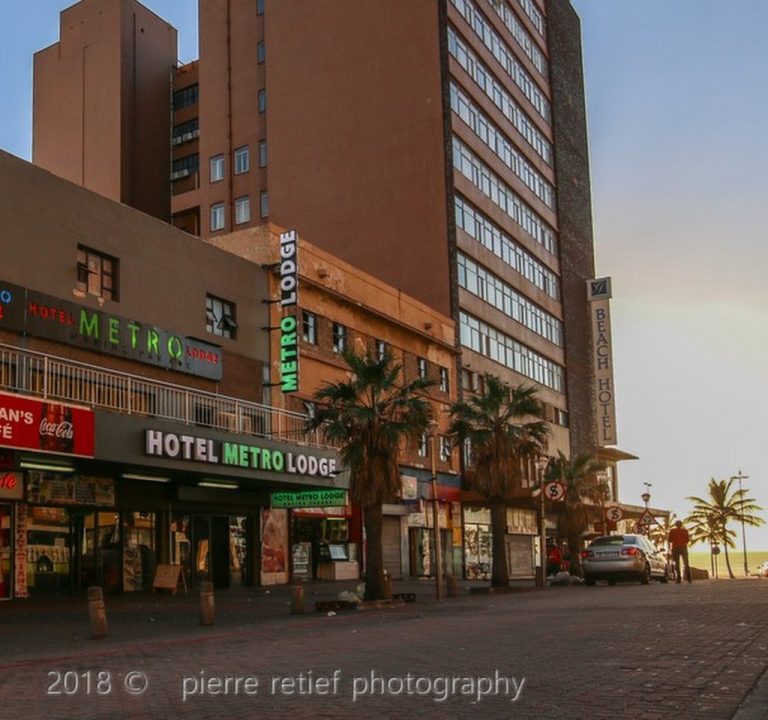
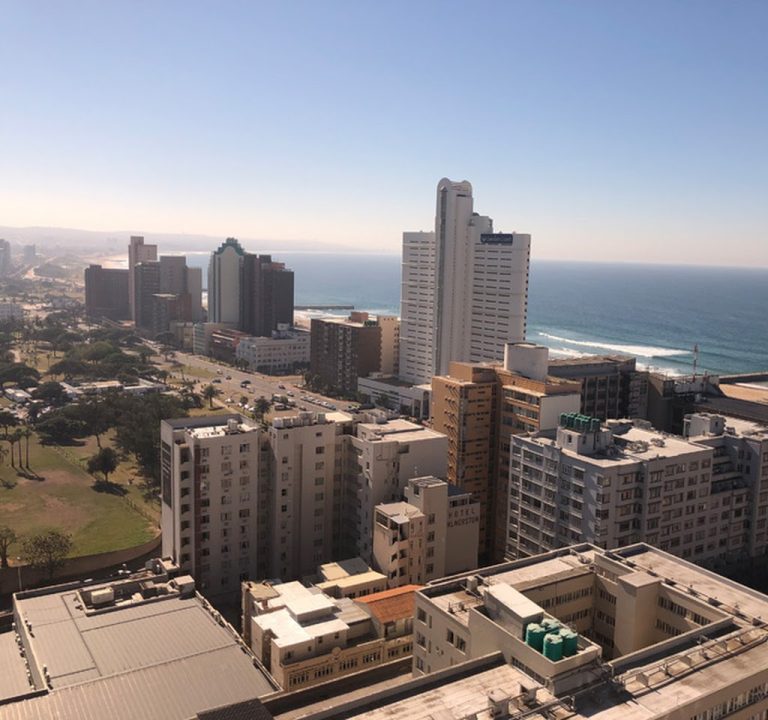
Areas to consider include bustling beachfront districts where long stretches of sand and a lively promenade provide immediate access to ocean views and casual dining. If you want a quieter base with convenient access to shops and restaurants, inland neighbourhoods near major arterial routes offer easy transport links while still keeping the city’s energy within reach. For travellers seeking pristine coastal scenery and resort-like amenities, the northern beachfront suburbs provide a different pace, with hotel and guesthouse options that cater to short breaks and longer stays alike. Think about how you plan to get around: walking distance to the beach, proximity to Metrorail or MyCiTi bus routes, or the flexibility of car rental for day trips along the coast or into the hills beyond the city.
Booking thoughtfully means matching what you value most with a property’s features. Look for secure parking if you plan to drive, reliable wi‑fi for work or streaming, and a comfortable, well‑ventilated room. Many travellers favour properties that offer breakfast or easy access to good nearby cafés, as Durban mornings are buoyant and often humid. A balanced check list might include checking whether air conditioning is available, ensuring the room has adequate soundproofing, confirming whether there is a lift if needed, and verifying accessibility to lifts, steps or ramps for guests with mobility considerations. Reading guest reviews can reveal practical details such as quietness at night, filter/soft-water systems, or the reliability of hot water—crucial for coastal stays in warm weather.
Typical amenities in Durban accommodation span comfortable beds, en-suite bathrooms, and practical touches like minibars, tea and coffee facilities, and workspace-friendly desks. You may also find options with outdoor spaces, balconies, or access to shared gardens and pools. On-site dining is variable: some properties run full-service restaurants or offer room service, while others provide basic continental breakfasts and point you toward nearby eateries. If you plan longer stays, consider kitchen facilities or self-catering options, which can simplify meals after a day of exploring markets, coastal towns, or nature reserves.
Transport in Durban is well-supported by a combination of road and public options. The city benefits from a network of bus services and ride-hailing options, with car travel often the most flexible way to reach beaches, nature reserves, and hill routes outside the urban core. If you’re flying in, Durban’s King Shaka International Airport is a straightforward link to the metro and highways, with rental services at the airport catering to visitors. When staying in town, you’ll find plenty of opportunities for short strolls along the Golden Mile, harbourfront promenades, and café-lined streets that offer a relaxed pace and a sense of the city’s maritime character.
Best time to visit Durham (Durban) generally centres on the warm, subtropical climate. The summer months bring long days, lively outdoor events, and excellent beach weather, but can also be humid and occasionally rainy in the afternoon thunderstorms. Winter is mild by many standards, making it an appealing option for travellers who prefer cooler, comfortable days with fewer crowds. Shoulder seasons often offer a balance of pleasant weather and lower accommodation rates. Planning ahead for peak holiday periods—especially around school holidays and major festival times—will help you secure a preferred stay and convenient dining slots.
When you arrive, practical tips can help you settle quickly and enjoy the local character. Pack light clothing, sun protection, and comfortable shoes for walking on promenades and markets. Keep essentials in a small daypack for day trips, including sunscreen, a bottle of water, and a light layer for cooler evenings. Tipping is customary for good service in restaurants and hospitality venues, though amounts are discretionary and reflect the level of service you receive. Currency is largely local, with a broad network of ATMs and card facilities; having a small amount of cash for markets and inner-city venues is useful. Respect local safety guidance, particularly around crowded areas and during evening hours, and plan your day to avoid getting stranded far from your base after dark.
Durban offers a spectrum of experiences without needing to travel far from your base. You can enjoy leisurely beach days, strolls along busy promenades, and markets that showcase crafts, spices, and culinary delights. For those interested in nature and wildlife, day trips to nearby reserves or hills provide scenic contrasts to the coast. When it comes to dining, expect a range from casual curry houses to seafood-oriented venues that celebrate the city’s coastal bounty, complemented by international influences that reflect Durban’s diverse culture. In planning your stay, balance convenience with character: a well-situated property that blends easy access to beaches and attractions with a comfortable, well-equipped room will help you make the most of your Durban visit.
- Choose a base near the coast for easy beach access and sunset strolls
- Prioritise properties with secure parking or reliable transport links
- Look for rooms with air conditioning, comfortable beds, and hot water reliability
- Consider breakfast or easy access to cafés to start days well
- Plan day trips to hills, markets, and nearby reserves for variety