Johannesburg: accommodation planning and visitor experiences in Gauteng
Johannesburg, often simply called Jo’burg or Jozi, is a spread-out city with a dynamic mix of neighbourhoods, each offering a distinct atmosphere for visitors. When planning a stay, consider areas that align with your interests and travel style—whether you want busy urban energy, leafy residential calm, or convenient access to business districts and transport links. Self-catering apartments, boutique guesthouses, and mid-range hotels are plentiful, with options ranging from compact studio flats to larger suites that suit families or groups.
Key neighbourhoods to consider include Sandton, Braamfontein, Rosebank, Maboneng, and Soweto. Sandton is renowned for modern hotels and shopping, with easy access to the Gautrain and major business hubs. Braamfontein offers a youthful, artsy vibe, great for walkers who enjoy cafés, galleries, and a central location close to business districts. Rosebank blends commercial activity with a more relaxed, tree-lined feel and a popular market area. Maboneng is a creative district known for urban living, street food, and micro-restaurants, ideal for those seeking an immersive Johannesburg experience. Soweto provides a historically rich backdrop and wide-ranging hostelries and guesthouses, often offering guided tours and curated experiences that showcase local culture.
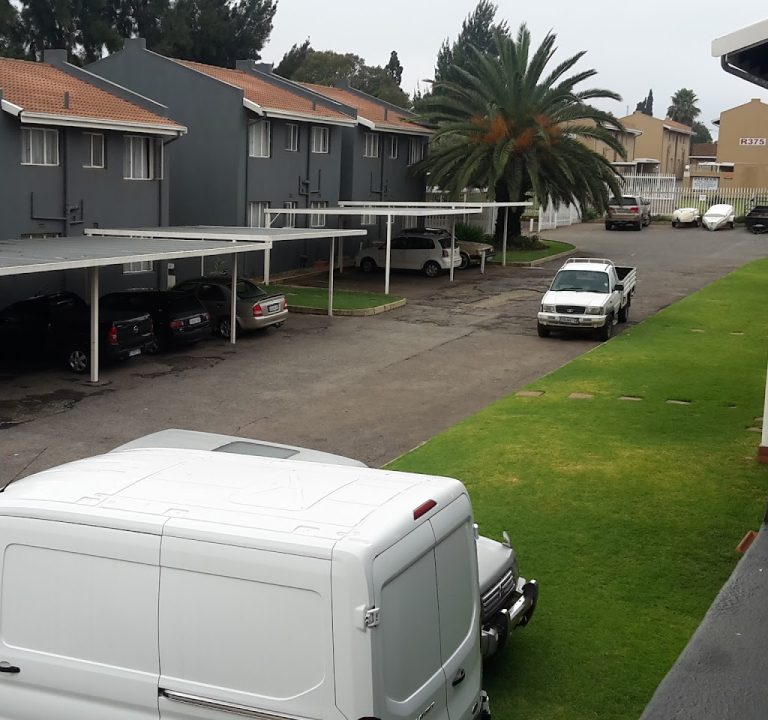
When booking, look for several practical amenities that will smooth your stay. A well-equipped kitchen or kitchenette is useful for longer visits, as are in-room Wi‑Fi and reliable hot water. Check whether the accommodation offers secure, on-site parking if you plan to hire a car, and whether it is within easy reach of public transport links. Laundry facilities, daily housekeeping, and a 24-hour reception can make a big difference in comfort, especially for longer trips. If you prefer a quieter base with easy access to nightlife or markets, a boutique guesthouse or apartment hotel closer to a city edge can provide a balanced experience. For families or groups, serviced apartments with separate bedrooms, living spaces, and kitchens offer convenience and value.
Transport in Johannesburg is diverse. The city is well served by the Gautrain, which links Johannesburg and Pretoria with fast rail to O.R. Tambo International Airport. Within the city, rideshare services, metered taxis, and buses provide options for getting around, while some neighbourhoods are more pedestrian-friendly than others. If you plan day trips—such as exploring historical sites, nature reserves, or nearby towns—having a car or arranging guided excursions is helpful. Check the accessibility of your chosen base to major roads and public transport hubs so you can plan efficient routes between accommodation, activities, and meals.
The best time to visit Johannesburg is influenced by weather and crowd levels. The city experiences warm summers with afternoon thunder showers and cooler, dry winters. Spring and autumn often offer pleasant temperatures for outdoor exploration, street markets, and rooftop dining. Plan for higher hotel rates during peak tourism periods and major events, and consider midweek stays if your schedule allows for quieter options and potential savings.
Attractions and experiences in and around Johannesburg cover history, culture, nature, and gastronomy. Within the city, you’ll find world-class museums and memorials that contextualise South Africa’s past, dynamic art districts, and vibrant neighbourhood markets where you can sample street food and craft goods. Beyond the museums, guided tours—such as township visits or hill and nature excursions—provide deeper insight into the region’s diverse communities. In terms of dining, Johannesburg’s culinary scene spans international cuisine and contemporary South African fare, with options ranging from casual cafés to more refined venues that emphasise seasonal produce and global flavours. For a relaxed end to a day, rooftop bars and lounges scattered across several districts offer city views and a welcoming atmosphere.
Practical planning tips to help structuring a stay:
- Budget carefully by district: rates vary with proximity to business districts, shopping hubs, and nightlife.
- Choose accommodation with clear access to a reliable transport option—whether it’s proximity to a Gautrain station, or easy routes for rideshares and taxis.
- Assess safety and comfort features: choose properties with secure access, good lighting, and on-site staff or reception.
- Consider self-catering or near-market options for meals, which can offer flexibility for long stays and diverse tastes.
- Plan a balanced itinerary that mixes cultural sites, neighbourhood walks, and time to simply enjoy a city café or market scene.
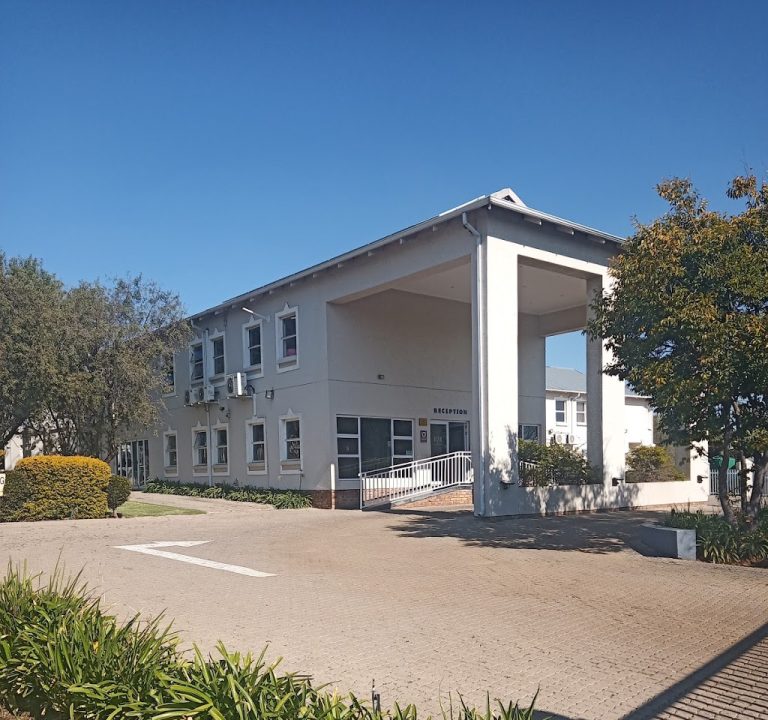
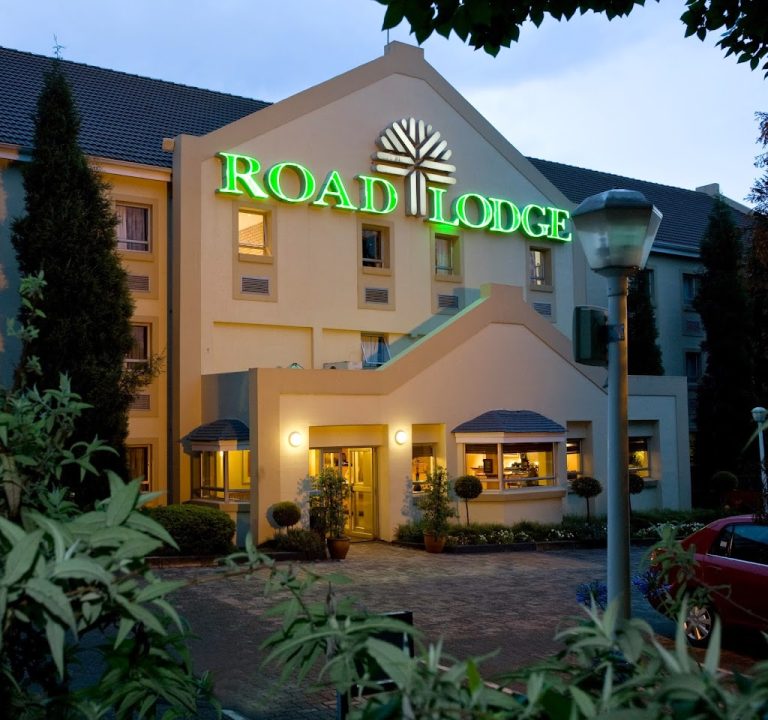
For those who prefer a consistent experience in Johannesburg, you may encounter a range of accommodation styles under umbrella categories such as hotels, boutique guesthouses, and apartment-style hotels. If you are exploring options linked to a brand or portfolio, such as PALMAR APARTMENT HOTELS, focus on how their properties balance location, space, and service for your travel needs. Regardless of the choice, ensuring a comfortable base with easy access to transport, reliable amenities, and nearby attractions will help you make the most of a stay in this fast-evolving Gauteng metropolis.