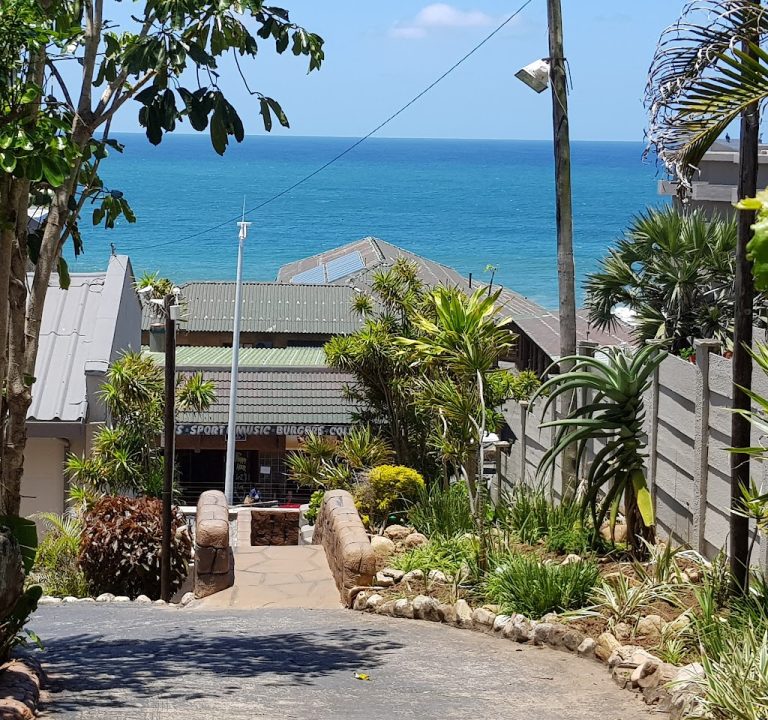
Staying in Margate, KwaZulu-Natal: accommodation, attractions and planning tips
Margate on KwaZulu-Natal’s south coast offers a calm, sea-salted setting with a mix of self-catering stays, guesthouses and boutique hotels. Whether you are seeking a family-friendly base, a cosy couple’s retreat, or a practical stopover near the beach, Margate provides options that fit a range of budgets and itineraries. The town’s appeal lies not only in its sunlit beaches and warm Indian Ocean waters, but in the accessibility of nearby coastal towns, nature reserves and cultural experiences that can be explored with a relaxed pace.
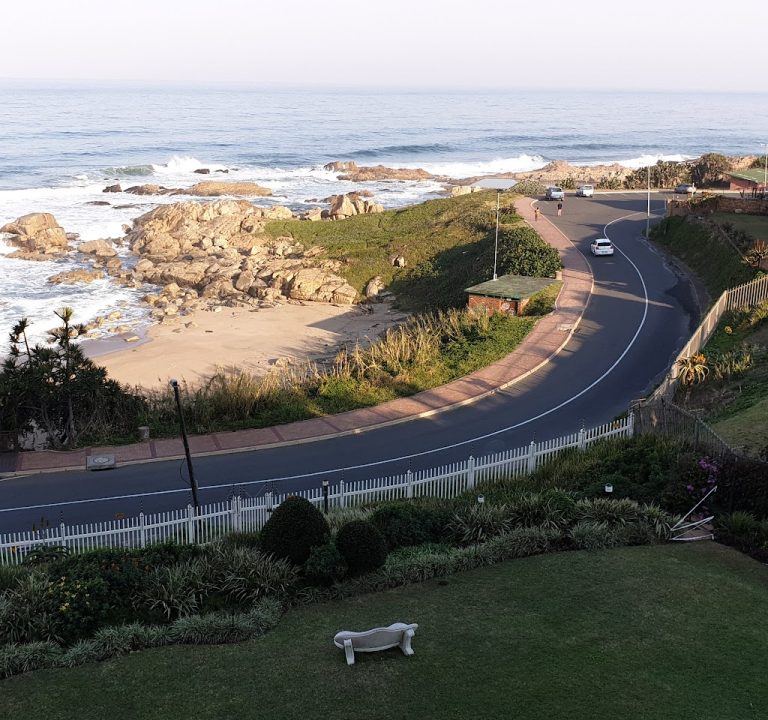
When planning a stay, consider the different neighbourhoods and what they offer. The coastline around Margate itself is ideal for easy beach access and strolls along the promenade. Inland pockets offer quieter residential feels and views of rolling dunes or forested areas. If you want to be close to the main beach and the centre of activity, look for accommodation within walking distance of the sea and convenient eateries. For a more tranquil escape, search a little further back from the shoreline where self-catering units or small guesthouses may provide a calmer ambiance and more space.
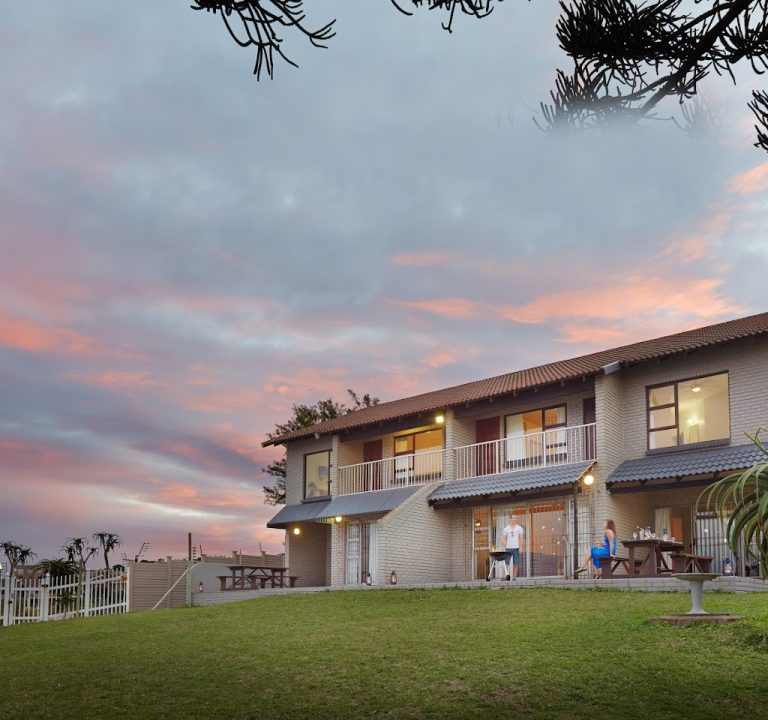
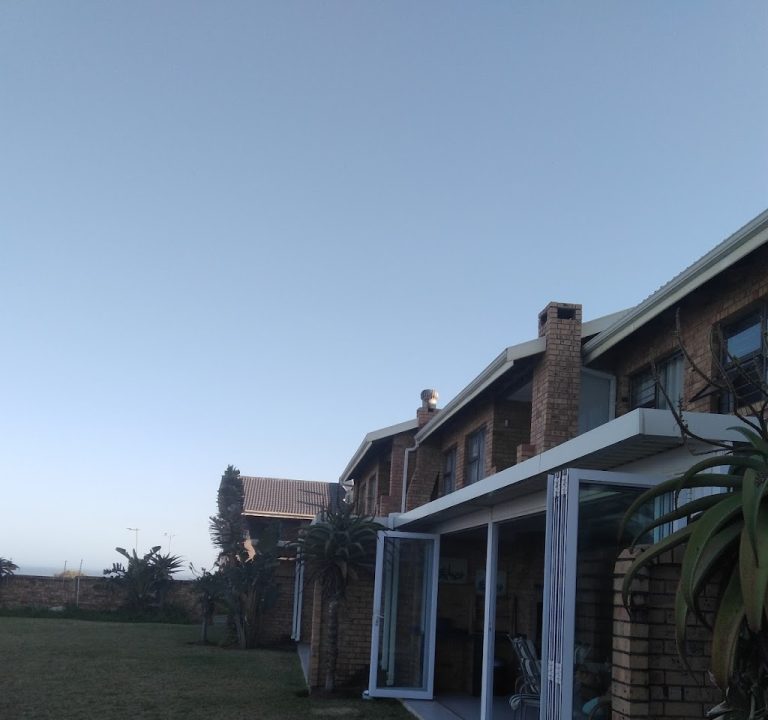
Self-catering options, such as the Palm Park complex, can be convenient for families or groups who prefer flexibility. Look for properties that clearly describe the layout and kitchen facilities, as well as laundry access and parking arrangements. In many self-catering stays, you will find amenities that help you settle in quickly: a well-equipped kitchen, comfortable living areas, and outdoor spaces for barbecues or sunbathing. Confirm the availability of essentials like air conditioning or fans for the warmer months, and heating for cooler evenings in winter, which, due to its coastal position, can still be mild but variable.
Booking tips to help secure a comfortable stay include checking recent guest reviews for consistency in cleanliness, description accuracy and the responsiveness of hosts or managers. Compare the stated proximity to beaches, shops and transport links with a map view, and consider whether you’ll need easy car access or if you prefer staying within easy walking distance to daylight amenities. In Margate, a car is often convenient for exploring the wider Hibiscus Coast area, but many towns along the coast also offer reliable public transport and rideshare options for day trips and evening outings.
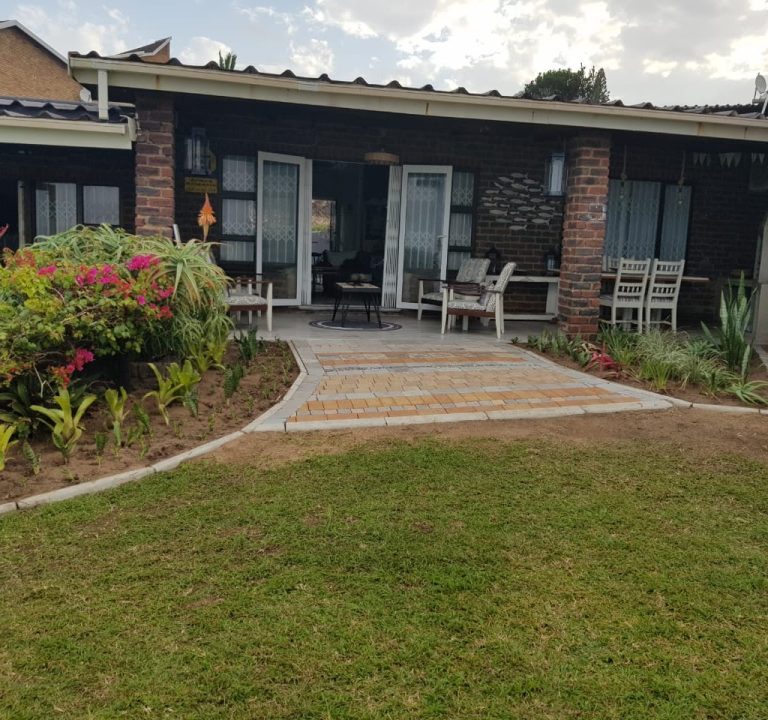
Typical amenities to look for in Margate accommodations include secure parking, reliable housekeeping schedules, and clear policies on check-in and check-out times. A small kitchen or kitchenette is particularly valuable for a self-catering stay. If you enjoy outdoor living, seek properties with verandas, shaded seating or garden spaces. For families, request cot or high-chair availability and safe outdoor play areas. If you’re staying in peak season, early booking is prudent to secure the most suitable unit and preferred dates.
Transport in and around Margate is straightforward. The town is compact enough for leisurely strolls and bike rides, but a car provides the most straightforward access to beaches, nature reserves and neighbouring towns. If you want to explore further afield, you can plan day trips to nearby coastal towns or nature reserves that offer hiking trails, birdwatching, or bird-friendly hides. Road access along the coast is generally well signposted, and some properties may arrange shuttle options or provide guidance on public transport connections.
The best time to visit Margate is linked to your preferences for weather and activities. The warmer, drier months are popular for beach days and outdoor exploration, while the shoulder seasons offer quieter streets, lower rates and a slower pace. Coastal sunrises and sunsets are frequently cited as highlights, and a stay that includes sunset walks along the shore can be especially enjoyable. If you plan to swim or snorkel, check local wind and sea conditions and choose beaches with lifeguard presence or safer shore breaks.
Dining out in Margate ranges from casual beachfront eateries to more refined options inland. Restaurants generally focus on seafood, grills and casual South African fare, with seasonal menus reflecting local produce. It’s wise to have a small repertoire of backup spots in case certain venues are full, particularly during school holidays or long weekends. For a self-catering break, many properties are near groceries and markets where you can stock up on fresh fruit, vegetables and local specialities to cook at home or on a barbecue.
Practical tips to maximise enjoyment and minimise stress include planning outdoor activities for mornings when the light is best for photography and shade is comfortable for walking. Pack sun protection, a light layer for cooler evenings and a reusable water bottle to stay hydrated on beach days. Check the tides and surf conditions if you intend to spend time on the coast, and always follow safety guidelines at beaches and in nature reserves. Finally, keep a note of the nearest healthcare facility and have a basic first-aid kit handy during longer explorations of the Hibiscus Coast.
For further planning, you can browse general travel and visitor information online, and consult accommodation pages that clearly describe what is included in each unit, as well as access to local beaches, shops and nearby attractions. The aim is to choose a base that aligns with your pace, whether you want a sunlit beachside stay or a tranquil inland retreat with plenty of room to relax between outings.