Accommodation, Attractions and Practical Tips for a Stay in Bisho, Eastern Cape
Bisho, the administrative heart of the Eastern Cape, sits close to East London and the Indian Ocean, offering easy access to both inland scenery and coastal escapes. A stay here is ideally spent balancing comfortable lodging with simple, authentic experiences that showcase the region’s mix of government history, rural charm and seaside possibilities. When planning, consider staying in areas that suit your pace, whether you want quiet evenings, straightforward access to the city’s facilities, or quick trips to nearby beaches and nature reserves.
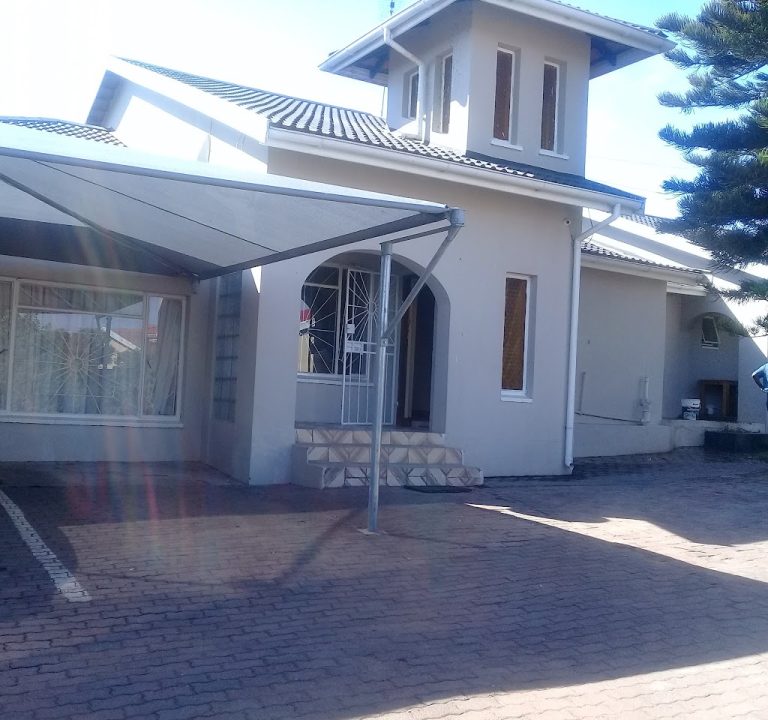
Accommodation in and around Bisho ranges from practical motels to guesthouses and small hotels. In Bisho itself you’ll typically find straightforward, no-fuss options that prioritise value and convenience, with features such as on-site parking, daily housekeeping, and straightforward breakfast offerings. A short drive away, the surrounding towns and suburbs offer a broader mix of comforts, including more spacious rooms, family-friendly layouts, or properties with kitchenettes for longer stays. When booking, look for clear photos, transparent room sizes, and detailed meal arrangements. It’s also worth checking the cancellation policy and whether bedding configurations suit your group.
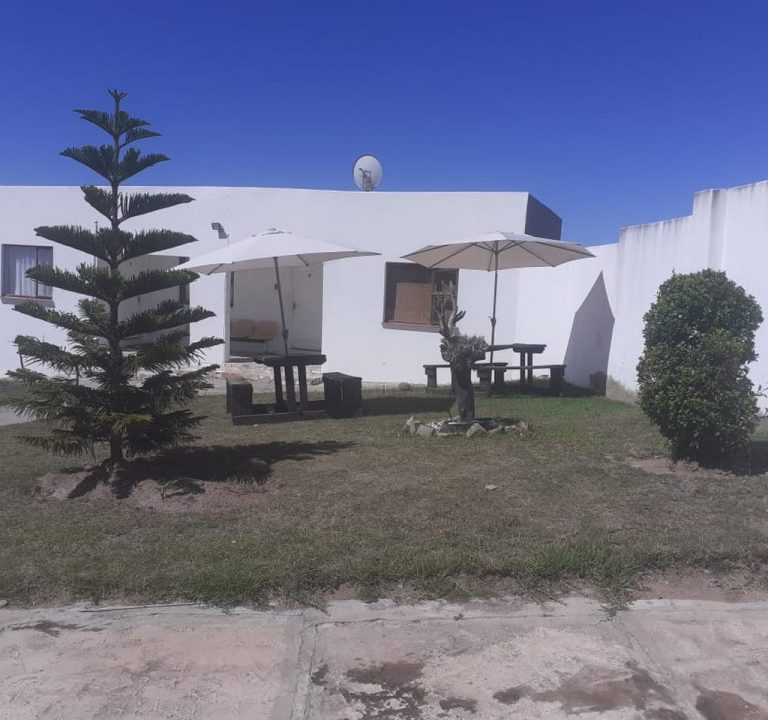
Typical amenities to look for include reliable Wi‑Fi, secure parking, air conditioning or good ventilation for hot coastal days, and a welcoming reception area with knowledgeable staff who can point you to local dining and activities. If you’re visiting in the milder shoulder seasons, a property with flexible heating or cooling can make a big difference. Proximity to main roads or taxi routes is useful if you’re relying on public or hired transport. For families or slower travel days, a quiet garden or outdoor seating area can be a pleasant bonus after a day of exploring.
Transport around and beyond Bisho is generally straightforward. A car is the most convenient way to reach nearby coastal towns such as East London’s beaches, or to dot between Bhisho and neighbouring townships or nature reserves. If you’re sourcing local transport, ask your host or reception for trusted taxi operators or nearby rental agencies. For guests who prefer a split itinerary, plan a full day to explore: a morning in a local market or museum, a relaxed lunch, and an afternoon coastal drive or nature trail. It helps to map your routes the night before, especially during peak traffic or busy weekends.
The best time to visit the area blends a comfortable climate with practical travel considerations. Spring and autumn offer mild temperatures for outdoor exploration without the peak heat of high summer. Winter tends to be cooler, suitable for long drives and indoor museum visits. If you’re keen on outdoor activities or coastal mornings, early starts are ideal to avoid afternoon heat and enjoy calmer landscapes. Seasonal rainfall is a factor to consider; packing a light waterproof layer is sensible for sudden showers.
When planning, think about what you want from your stay. If your aim is exploring local culture and heritage, you’ll want a base within easy reach of government sites, museums, and markets, with plenty of information desks or staff who can share local insights. For longer breaks, choosing a property with kitchen facilities or breakfast options helps you tailor your days—to snack before a morning excursion or to dine in after a day out. If you’re visiting with children, look for family-friendly rooms, nearby outdoor spaces, or easy access to playgrounds and safe walking routes.
Dining in the area tends to emphasise regional flavours and friendly, informal venues. Look for bakeries offering fresh morning breads, cafés with light lunches, and small eateries that showcase seasonal produce. Many visitors enjoy trying casual South African fare in relaxed settings, as well as seafood options that reflect the region’s coastal proximity. When planning restaurant visits, a quick check on opening hours and reservations can save time, particularly on weekends or public holidays.
For those who want a planable outline, consider block-by-block stays in 2–3 neighbourhoods: a central base with easy access to government offices or business services, a quieter suburban area for restful evenings, and a coastal-adjacent option for day trips to the beaches. A simple packing list is also helpful: a lightweight layer for coastal breezes, a hat and sunscreen for sun exposure, sensible walking shoes for markets and paths, and a reusable water bottle for day trips.
- Check lists for booking: clear cancellation terms, room configuration, and a realistic photo-to-room match.
- Plan transport in advance: confirm accessibility of your accommodation to major roads and whether staff can assist with reliable local transfers.
- Balance your days: mix museum visits, markets, and a coastal drive to keep experiences varied without overloading your itinerary.
- Respect local customs and etiquette; Victoria era and colonial-era sites often carry formal histories and respectful behaviour is appreciated.
Further information on the Eastern Cape and regional travel planning can be found on official tourism pages, which offer up-to-date suggestions for accommodation options, transport tips and safe itineraries. For more ideas on getting the most from a stay near Bisho and the greater Bhisho area, you can explore general regional guides and travel resources. Enjoy discovering the blend of administrative, historical and coastal experiences that Southern Africa’s Eastern Cape has to offer.