Durban: Where to stay, what to do and how to plan a great visit
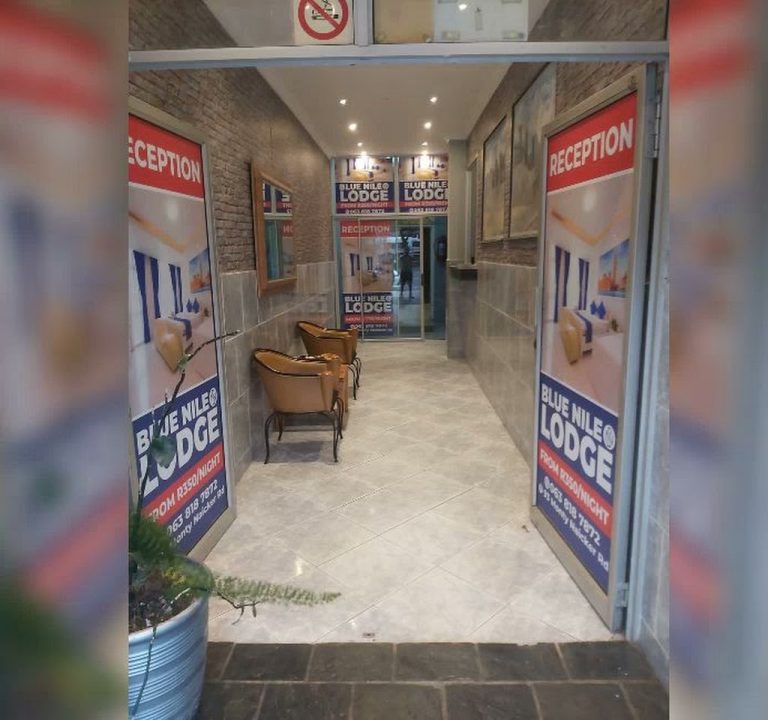
Durban in KwaZulu-Natal blends subtropical coast, vibrant culture and a relaxed coastal tempo that suits a wide range of travellers. When planning a stay, the choice of area matters as much as the property type. The beachfront and northern suburbs tend to offer easy access to the sea, promenades and a lively dining scene, while central districts and the Berea can place you near historic neighbourhoods, markets and convenient transport links. For lodge-style rests, B&Bs and guesthouses tucked away in leafy streets can provide a quieter base with warm, personalised service. A notable example of a lodge-style option is P.L.M. Lodge, which represents the kind of comfortable, characterful accommodation many travellers seek in the region.
Accommodation in Durban ranges from boutique guesthouses and self-catering flats to mid-range hotels and larger resort-style lodges. When choosing where to stay, consider what matters most to your plans: proximity to the beach for daily dips or walks along the promenade; access to restaurants, bars and nightlife; or a quieter, more residential neighbourhood for a relaxed evening in. Look for properties that offer secure parking if you plan to hire a car, and check whether they provide easy access to public transport or taxi services for evenings out.
Typical amenities to look for include reliable air conditioning or fans ( Durban can be hot and humid in summer), en-suite bathrooms, clean daily housekeeping, and a view or outdoor space such as a balcony or garden. For families or longer stays, self-catering facilities, a kitchenette and laundry access can be particularly convenient. If comfort and convenience top your list, many Durban lodges and guesthouses now include generators, good wi‑fi, and easy check-in options, which can be helpful during seasonal weather or occasional power interruptions.
Transport in Durban is straightforward but can be variable outside peak hours. The MyCiti bus network serves key corridors and can be a cost-effective way to move between popular areas, restaurants and beaches. Taxis and ride-hailing apps are widely available, and many properties offer secure parking or arrangements with trusted local drivers. If you plan to explore beyond the beachfront, a rental car gives you flexibility to visit inland attractions such as the Valley of a Thousand Hills or nearby nature reserves, while still returning to your comfortable base at the end of the day.
Best time to visit Durban often hinges on weather and crowd levels. The city enjoys a warm subtropical climate with hot, humid summers and mild, dry winters. December to February brings the peak beach season, but late spring and autumn are pleasant for outdoor activities without the intensest heat. If you are visiting for cultural and culinary experiences, evenings in the city can be cooler and more comfortable outside the peak heat of summer.
Durban’s attractions can be experienced in several ways, from long coastal strolls to immersive markets and gardens. A walk along the Golden Mile and the bustling beachfront precinct is a gentle way to begin, followed by a visit to a nearby harbour or marina area for views of ships and boats. In terms of indoor experiences, consider museums or cultural centres that illuminate KwaZulu-Natal's rich heritage. For families and adventure seekers, there are water-based activities, theme parks and opportunities to learn about local ecosystems in a responsible and enjoyable manner. The dining scene in Durban is diverse, reflecting Indian influences alongside Zulu and other regional flavours. After a day of discovery, smart casual dining options typically await in many districts, with menus designed to showcase fresh seafood, maize breads, curries and grilled dishes with regional twists.
When planning your stay, a practical approach helps you balance rest with discovery. Pick a base that reduces daily travel time to attractions you are most excited about. Consider how you prefer to spend evenings—whether you want a short ride to a lively restaurant belt or a calmer night in a courtyard setting. If you are a light sleeper or sensitive to nightlife noise, look for well-insulated rooms or properties in quieter backstreets as an alternative to directly on busier thoroughfares.
To help you prepare, here are some practical tips for booking and enjoying Durban:
- Read recent guest reviews for consistency on service and cleanliness.
- Check the cancellation policy and what is included in the rate (breakfast, parking, wi‑fi).
- Ask about air conditioning and fans, especially for summer stays.
- Confirm proximity to beaches, markets or transport routes that match your itinerary.
- Pack sun protection, comfortable walking shoes and a light layer for cooler evenings.
Durban’s dining landscape rewards exploration, whether you favour casual beachfront cafés, bustling markets or refined restaurants. Many establishments emphasise fresh seafood, regional flavours and multicultural influences. It’s easy to tailor a stay around a morning beach walk, a mid‑afternoon market visit and an evening meal at a nearby restaurant, before returning to your chosen base for a restful night. For those who prefer a structured plan, booking a guided local experience or a food‑and‑culture tour can provide insights into neighbourhoods that might otherwise be missed.
In summary, Durban offers a warm, welcoming backdrop for all kinds of travellers. By selecting an area that aligns with your rhythm—be it a breezy coastal stay, a central city base, or a tranquil lodge—you can enjoy comfortable accommodation, convenient transport, and a range of attractions, dining options and activities that together create a memorable KwaZulu-Natal getaway. For further inspiration, consider visiting Durban’s official tourism resources and exploring lodges and guesthouses such as P.L.M. Lodge as part of your planning process.