Johannesburg: Accommodations, Attractions and Practical Guide for Visitors
Johannesburg offers a varied tapestry of neighbourhoods, from stylish business districts to vibrant arts districts and leafy residential pockets. When planning a stay in Gauteng’s largest city, consider where you want to base yourself and what pace you prefer. Options range from guest houses and boutique hotels to modern hotels within major hubs, all aiming to make visitors comfortable while exploring the region’s offerings. A well-chosen base can cut travel time and put a range of attractions, eateries, and experiences within easy reach.
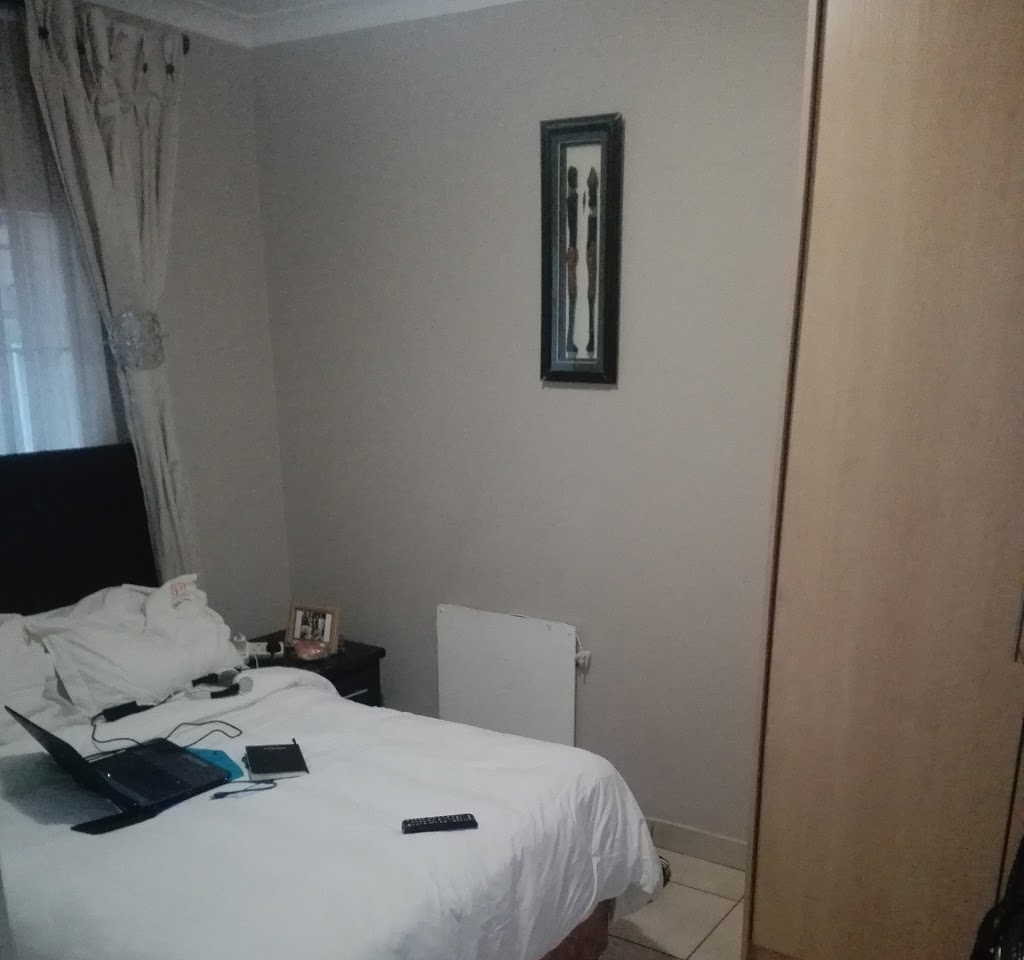
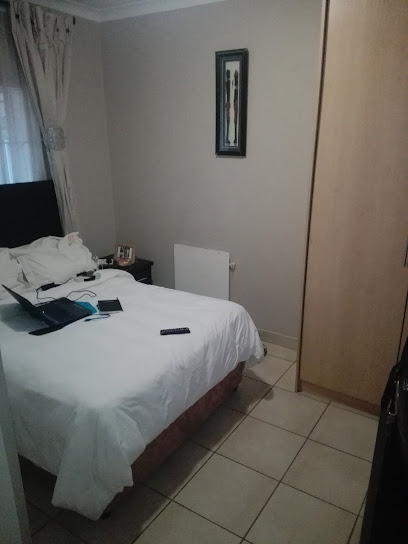
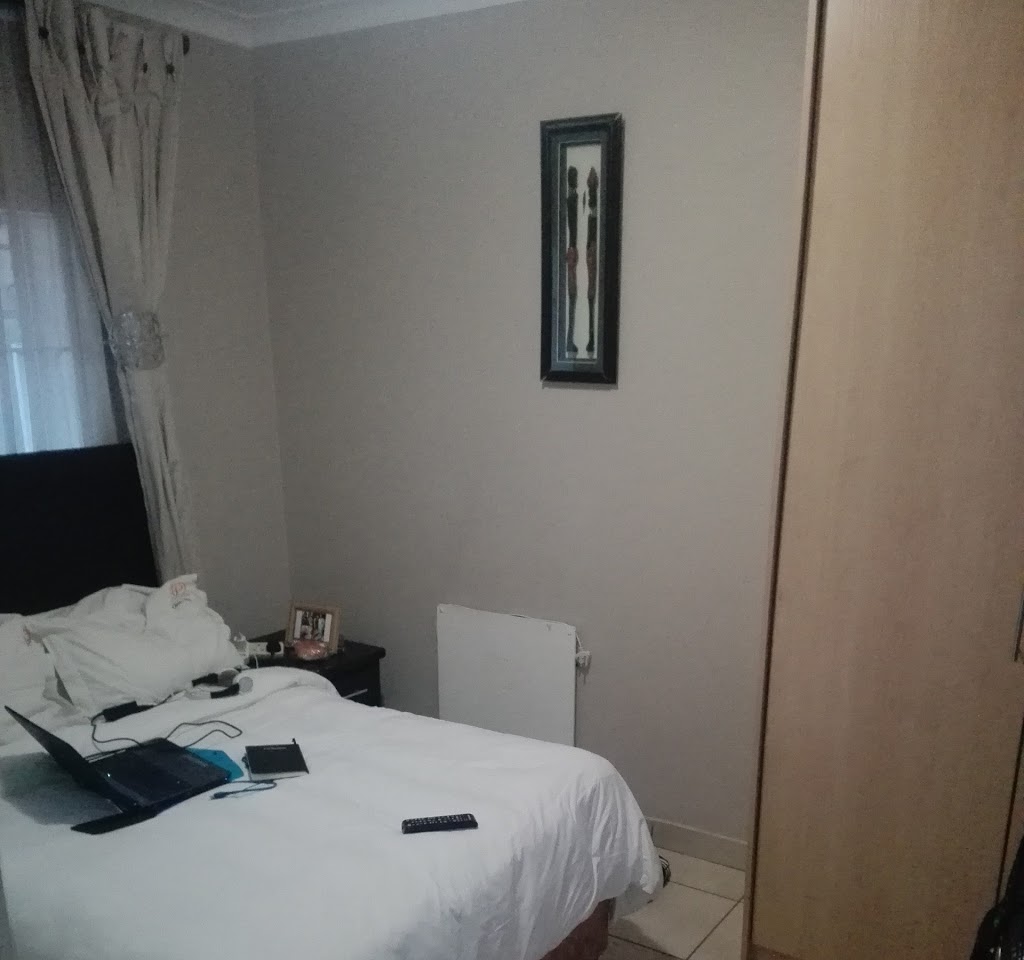
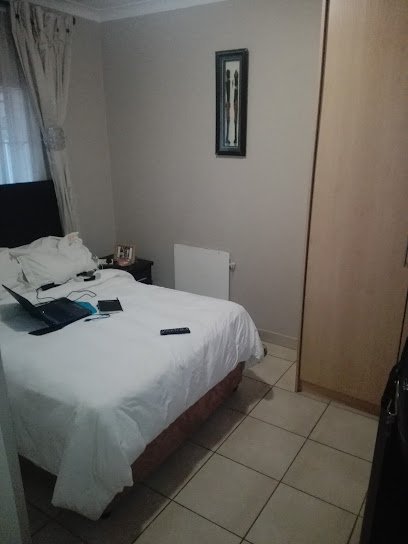
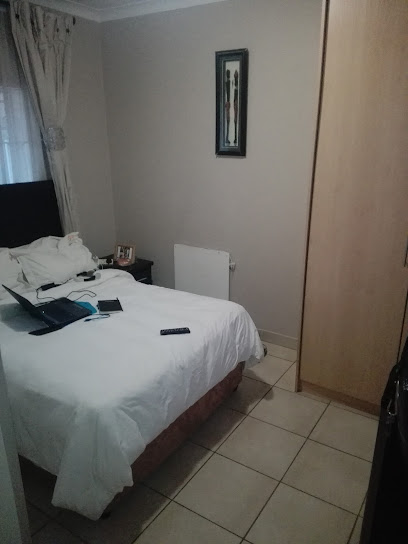
Key areas to consider include Sandton, with its glossy malls and business vibe; Rosebank, known for its markets and convenient transport links; Braamfontein and Maboneng, which offer a creative, walkable core with street art, cafés and nightlife; and Newtown, which blends history with contemporary culture. For a calmer neighbourhood feel close to central sights, parks and quieter streets, suburbs such as Greenside or Linden can be appealing. If you’re travelling on a budget or favour a more intimate stay, guest houses and smaller boutique properties provide personalised service and a taste of local warmth. One example to consider is a guest house such as Owee’s Place, which may offer a characterful base with guest room comforts; it’s worth checking current listings and reviews for the latest offerings and rates.
When choosing accommodation, look for thoughtful comforts that will make your stay convenient. Common amenities to expect include reliable Wi‑Fi, secure on-site parking or easy parking options, private en-suite bathrooms, tea and coffee facilities, and daily housekeeping. For longer stays, a small kitchenette or self-catering facilities can be a real advantage. If you prefer a social atmosphere, some guest houses and boutique hotels arrange shared lounges, breakfast services, or evening meals. Consider whether a pool or outdoor space is important, especially in hot summer months, and whether the property offers 24‑hour reception or staff who can assist with bookings and local recommendations.
Planning transport is key in Johannesburg. The city has a network of taxis, ride‑hailing services, and car hire, along with the Gautrain linking Pretoria and OR Tambo and Sandton. If you anticipate day trips to nearby nature reserves, historical sites, or sprawling parks, staying in a more central hub with good access to major roads or reliable public transport can save time. Some properties organise airport transfers or can recommend trusted transfer services. If you’re renting a car, confirm parking arrangements and local driving norms in advance, as traffic and road layouts differ from other parts of the world.
The best time to visit Johannesburg is during the late spring to early autumn months, when the weather is generally milder and garden or outdoor spaces are at their best. Summer months can bring afternoon thundershowers, which are frequent but often brief. Autumn and winter (May to August) bring cooler temperatures and clear, sunny days, though evenings can be chilly, so pack layers. If you’re planning events, markets, or outdoor dining, check local calendars for street festivals and neighbourhood happenings, which are common in busy districts such as Rosebank and Braamfontein.
Facilities and practicalities matter as you plan your stay. Confirm what is included with your booking—breakfast options, daily housekeeping, and laundry facilities can be particularly useful for longer visits. Check accessibility features if needed, such as lifts or ground-floor rooms. If you’re sensitive to outages or power interruptions, ask about backup power solutions and whether the property has a generator. Security is important in any city setting, so enquire about secure access, on-site staff, and safe neighbourhood guidance. It’s also wise to assess value for money by comparing location, comfort, and access to transport against nightly rates and any extra charges for services or parking.
When it comes to attractions, Johannesburg offers a broad spectrum beyond the city centre. Museums and historic sites give context to South Africa’s complex past, while markets and galleries showcase contemporary art and design. For a relaxed day, you can explore parks, botanical spaces, and urban trails that reveal the city’s modern face. Dining in Johannesburg ranges from casual eateries to contemporary bistros and international fare. Many districts feature a lively late‑night scene, craft coffee spots, and casual dining options that are friendly to both locals and visitors. While specific venue names and prices are subject to change, the overall approach is to seek venues that emphasise fresh, high‑quality ingredients and a sense of place—whether you’re in a bustling market quarter or a chic, leafy street.
Practical tips to help you enjoy a smooth stay: plan a light itinerary with a mix of indoor and outdoor activities to accommodate weather and traffic, and reserve popular spaces in advance where possible. Pack comfortable footwear for urban exploration, plus a light layer for cool evenings. Carry a secure bag and stay aware of your surroundings, especially in busy city areas after dark. Tap into local knowledge through your accommodation’s staff or guest hosts; they can offer trustworthy recommendations for neighbourhood dining, markets, and safer routes for evening strolls. Finally, keep track of your reservations and have alternate plans in case a venue changes opening times or capacity.
In short, Johannesburg can be a rewarding base for exploring Gauteng, offering a range of accommodation styles, convenient transport options, and a spectrum of experiences that suit different interests and budgets. With careful planning—choosing a neighbourhood that matches your pace, selecting a comfortable base with practical amenities, and staying flexible about daily plans—you can enjoy a memorable stay in this dynamic South African city. For more information on current listings and guest houses, including patient hosts and personalised hospitality, it is worth checking reputable travel sites and the official tourism pages for updates on neighbourhoods, transport links, and local tips.