Accommodating Wilderness: Where to Stay and What to Do in this Coastal Gem
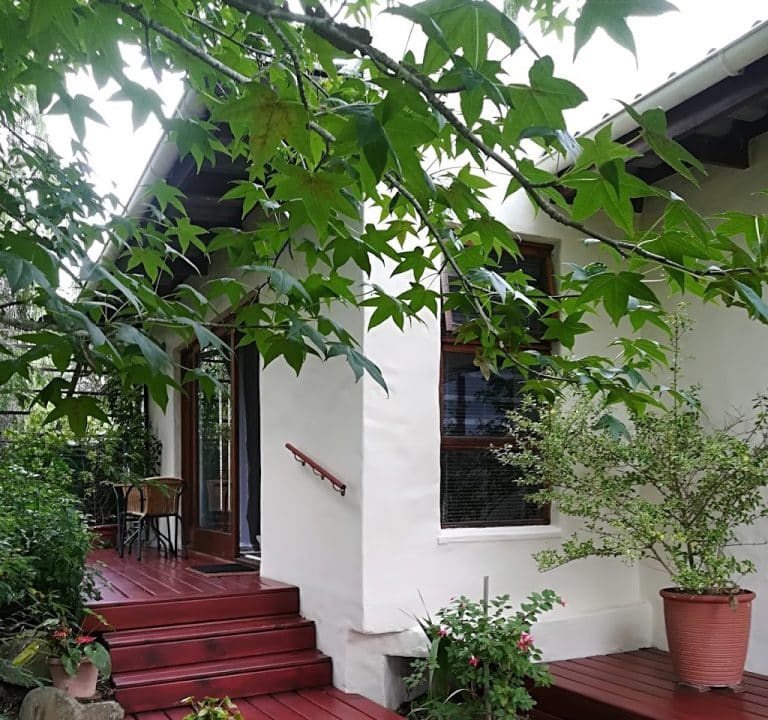
Tucked along the edge of the Indian Ocean, Wilderness in the Western Cape offers a relaxed fusion of sandy beaches, creeks and forests, making it an appealing base for those seeking outdoor activity and easy access to nature. When planning a stay, consider the layout of the village and nearby areas: the coastline stretches along the N2 with practical access to the riverine lagoons inside the Meat River valley, while the Old Water Mill area and the lanes near the centre offer compact, walkable options. For a self-catering stay with a home-from-home feel, Outeniqua Cottage is a charming example of the region’s self-catering accommodation, combining convenience with a sense of place.
Accommodation in Wilderness ranges from self-catering cottages and guesthouses to boutique hotels and seaside B&Bs. Look for properties that align with your priorities—proximity to the beach for sunrise walks, or a tranquil garden setting for afternoon lounging. Common features include fully equipped kitchens or kitchenettes, private terraces or balconies, reliable wi‑fi, and parking. If you’re travelling with children or pets, check policies about pets, child-friendly spaces, and safety features such as gates or fenced grounds. A few properties may offer additional touches like braai facilities, swimming pools with secure fencing, or communal lounges that help guests mingle with fellow travellers.
Transport in Wilderness is straightforward if you plan ahead. The village is compact enough for easy walking, especially near the main beach and the Lagoon area. Car hire offers flexibility for day trips along the Garden Route, with convenient access to nearby towns and natural attractions. If you prefer not to drive, some guesthouses can arrange transfers or provide guidance on local shuttle services. For those who relish scenic routes, a short drive inland takes you toward the well-known forests and viewpoints that characterise the area’s hinterland.
Best time to visit Wilderness is shaped by the weather and what you hope to do. Summers (roughly December to February) bring warm, beach-friendly conditions with the possibility of afternoon sea breezes. Shoulder seasons—spring and autumn—often deliver pleasant temperatures and quieter beaches, ideal for walkers and cyclists. Winter can be cooler and wetter, but the landscapes take on a dramatic mood and there are opportunities for cosy evenings in lodges or cottages with a hearty fire. Pack layers, sun protection for daytime, and a light rain jacket for changeable coastal weather.
When choosing where to stay, think about access to activities and the vibe you want. For outdoor enthusiasts, properties near the beachfront or the river mouths provide swift starts for early swims, surfing lessons, stand-up paddleboarding, or kayaking. If you prefer a more tranquil base, look for accommodations tucked a short walk back from the shore or housed within a leafy garden. Some self-catering options offer flexible living spaces with generous kitchen facilities, ideal if you plan long stays or group trips. If you enjoy cooking and socialising, a cottage with an outdoor dining area and a barbecue may be particularly appealing for weekend getaways with friends or family.
Attractions and experiences in and around Wilderness fall into several broad categories. Nature and outdoor activities are central: expansive beaches for leisurely strolls, coastal trails with vantage points over the ocean, and inland forests for scenic hikes. The lagoon system invites birdwatching and nature photography, while nearby protected reserves offer opportunities to learn about local flora and fauna. Water-based activities, when conditions permit, are a highlight for many visitors. For those who appreciate fresh air and peaceful settings, simply ambling along quiet lanes, coffee stops and small markets can be a highlight in itself.
Dining in Wilderness covers casual coastal eateries and more refined options. Expect menus that celebrate local produce, with an emphasis on seafood, grilled fare and seasonal vegetables. In addition to meals, plan for relaxed coastal cafés where you can enjoy a light bite, a cup of coffee, or a sunset drink with sea views. If you prefer cooking in, many self-catering stays provide well-equipped kitchens, and some properties offer communal kitchen facilities or outdoor cooking spaces where guests can share meals and stories. A simple approach—book a property with a well-equipped kitchen and a nearby convenience store or market—can make a big difference to your comfort level.
Planning tips to help you make the most of your Wilderness stay:
- Prioritise what matters most: beach access, forest walks, or a quiet garden setting. Choose a base accordingly.
- Check parking and security features if you’ll be hiring a car; look for properties with controlled access or secure off-street parking.
- Read the cancellation policy carefully, especially for peak seasons or weather-affected trips.
- Keep a flexible itinerary; Wilderness’ best experiences often come from spontaneous moments on the sand, by the river, or along a shaded trail.
- Consult official tourism resources for seasonal highlights and any local events that may enhance your visit.
Useful resources include the Western Cape’s official tourism information and regional guides, which offer practical details on transport, attractions, and seasonal advisories. For accommodation suggestions and booking specifics, browse reputable accommodation platforms or the websites of individual properties. With thoughtful planning, Wilderness can deliver a restorative coastal escape complemented by the simple pleasures of nature, well-run self-catering stays, and easy access to the area’s beaches, forests, and trails.