Accommodation and Experiences in Wellington, Western Cape: Planning a Memorable Stay
Nestled in the heart of the Western Cape’s Boland, Wellington offers a soothing blend of vineyard landscapes, mountain backdrops and a welcoming, laid‑back atmosphere. It is a practical base for visitors exploring the region’s wine routes, nature trails and historic towns, while remaining easily accessible from Cape Town and surrounding towns. Whether you are seeking a cosy guest house, a boutique inn or a country lodge, Wellington and its neighbouring towns provide a range of options that suit different styles and budgets.
When planning a stay, the first decision is often location. Central Wellington is convenient for guests who want quick access to town facilities, shops and dining, while more rural or hillside settings can provide tranquillity and expansive views. If you are visiting for wine and food experiences, look for accommodations near the winelands routes or within a short drive of cellar doors and tasting rooms. For hikers and outdoor enthusiasts, consider properties near nature reserves or scenic trails. Many guest houses and small hotels in the area offer on‑site parking and easy access to public transport or organised tours, making it simpler to explore without the hassle of driving after tastings.
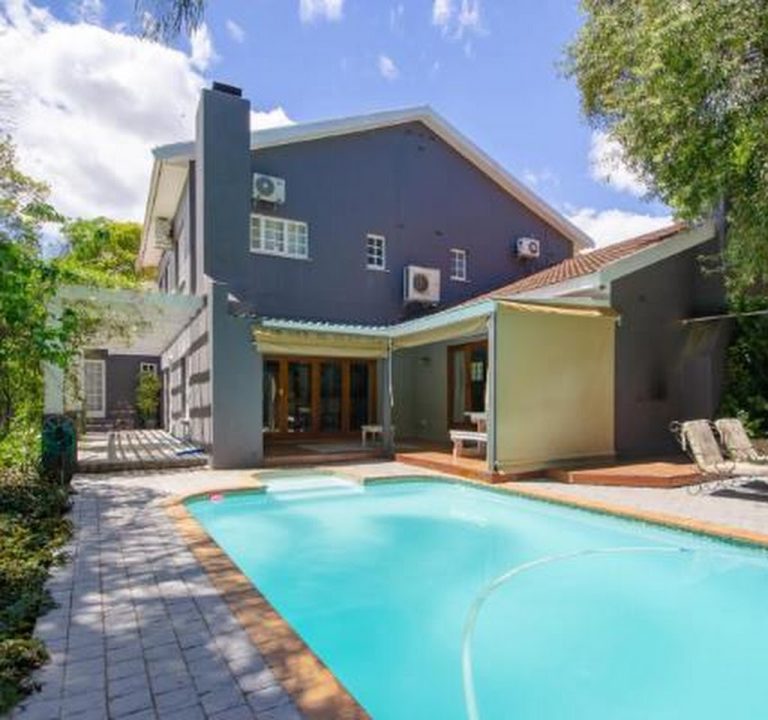
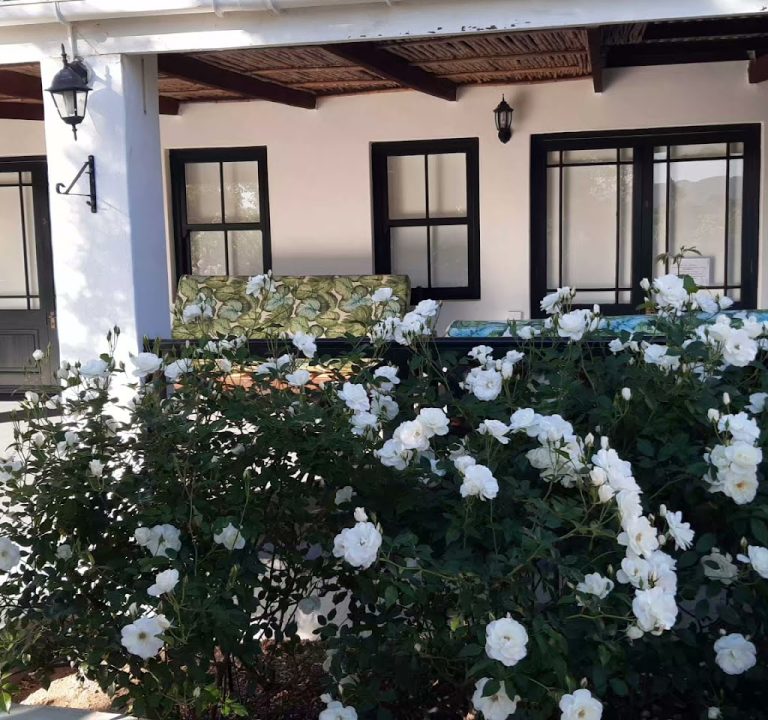
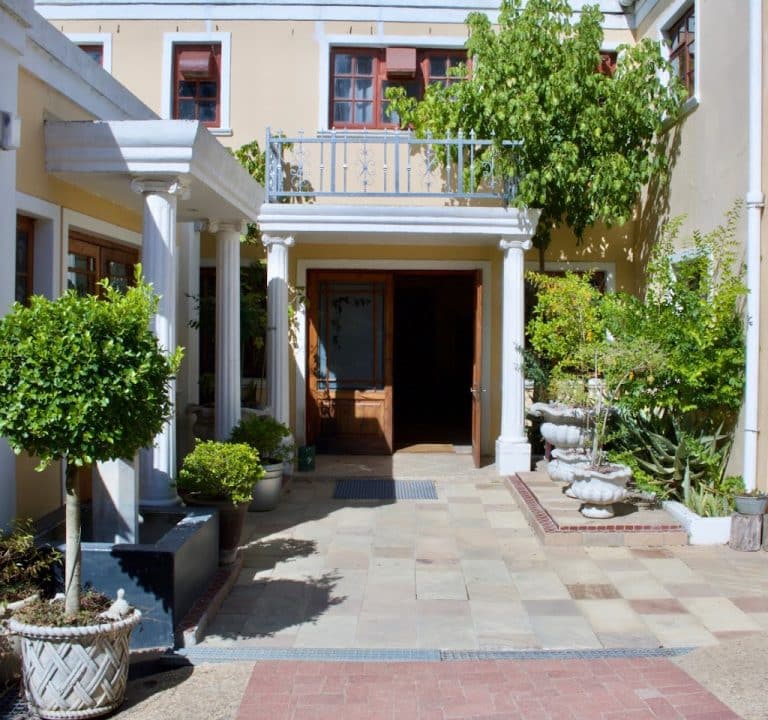
Accommodation in Wellington typically includes guest houses, boutique inns, and self‑catering cottages, often housed in converted farms or charming colonial homes. Common features to look for include en‑suite bathrooms, reliable hot water, comfortable bedding, and good ratings for cleanliness. A generous breakfast is a highlight at many guest houses, sometimes with options for dietary requirements. Other desirable amenities include complimentary Wi‑Fi, secure parking, scenic verandas or gardens, and outside barbecue facilities. For families or groups, self‑catering units or larger suites with kitchenette facilities can be particularly convenient, providing flexibility for mealtimes and budgeting.
Transport is a practical consideration. If you plan to explore beyond Wellington—into nearby towns, scenic drives or the winelands—having access to a car is usually the simplest option. Some accommodations can arrange transfers or recommend trusted local drivers. Public transport is available in the broader region, but schedules can be limited compared to city centres, so organising transport in advance is wise, especially for early morning departures to wine farms or day trips. Walking and cycling are pleasant in quieter parts of the town, and some properties offer secure bike storage for guests who prefer to explore at a slower pace.
Best time to visit Wellington depends on preferences for climate and activities. Spring and autumn are particularly pleasant, with milder temperatures and the countryside showing vibrant colours. Summer brings longer days and many cellar doors open for tastings and food pairings, though it can be busier. Winter offers cooler evenings and the chance to enjoy cosy interiors at guest houses with fireplaces or heating, alongside opportunities to sample rich, hearty fare in local eateries. If you are wine‑tasting, you may wish to align your visit with harvest periods or seasonal events, but be mindful that peak times can be busier and sometimes more expensive.
Practical planning tips to help you get the most from your stay in Wellington:
- Book early for weekend stays or peak seasons, especially for popular bed‑and‑breakfasts and boutique inns, to secure preferred rooms and rates.
- Check weather expectations and pack accordingly, as the climate can be sunny by day and cool at night, particularly in the hills.
- Confirm the availability of essential services such as reliable Wi‑Fi, breakfast options, and parking, and ask about on‑site dining or nearby eateries if you plan to explore beyond the property.
- Ask about tours or transfers if you intend to visit multiple wine farms or nature locations, as many local operators offer curated day experiences that include transport.
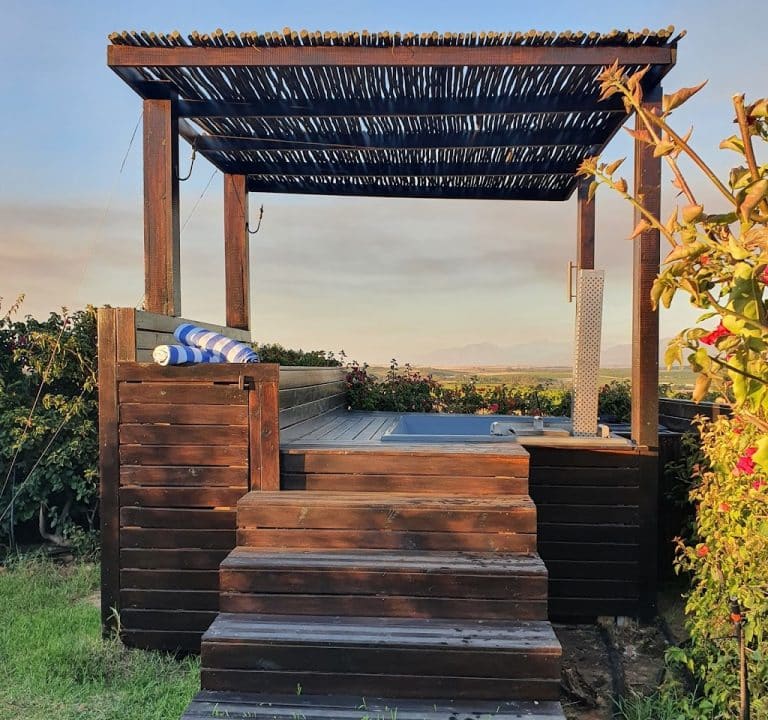
- Consider a stay that includes scenic outdoor spaces—garden seating, terraces or patios—so you can enjoy al fresco mornings and evenings without leaving the hotel.
Around Wellington, natural beauty and understated charms await. The nearby winelands offer scenic drives and cellar doors where visitors can sample regional wines and pairings in relaxed settings. Historical and cultural touches—whether in the architecture of guest houses, old farmstead barns or local museums—provide gentle context to the day’s itineraries. Dining tends to reflect the region’s farming heritage, with menus that highlight fresh ingredients and seasonality, often shared in convivial, unpretentious surroundings.
For attractions, consider combining a relaxed town‑centre morning with an afternoon in the countryside: stroll along quiet streets, browse local artisan shops, then venture to vineyards or nature trails for a gentle walk with sweeping panoramas. Wellington also functions as a convenient gateway to nearby towns and nature reserves, making it easy to tailor a multi‑stop itinerary that balances rest with light activity. When booking, look for hosts who can offer personalised tips on must‑see viewpoints, best picnic spots and sheltered corners for enjoying a late afternoon drink as the sun sets over the vines.
To explore further, visit official tourism pages or local visitor information hubs for the latest guidance on trails, seasonal events and dining options. A well‑chosen Wellington base can serve as a calm launchpad for discovering one of South Africa’s most scenic pockets of the Western Cape, while delivering comfortable rooms, attentive service and a sense of space that encourages longer, slower stays.