Accommodation and things to do in Winterton, KwaZulu-Natal: a practical guide for travellers
Winterton is a small, friendly hub in the KwaZulu-Natal highlands, long favoured by visitors for its cool climate, scenic Drakensberg foothills and easy access to nature-filled getaways. Whether you prefer a cosy B&B, a self-catering retreat, or a family-friendly lodge, the village sits on the doorstep of wider exploring opportunities—from mountain trails and waterfalls to rural dining and crafts. Planning a stay here is best approached by balancing a comfortable base with days spent exploring the surrounding countryside and local eateries.
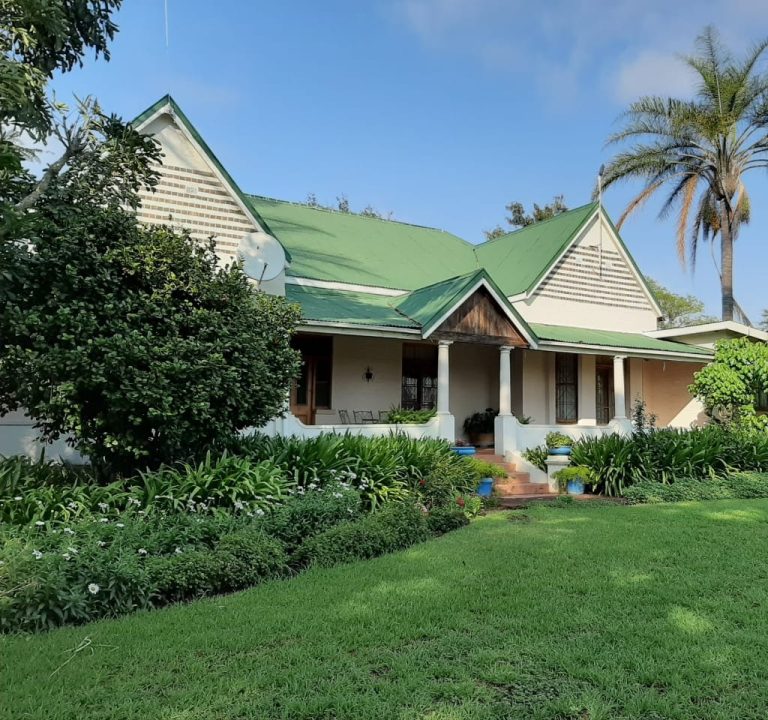
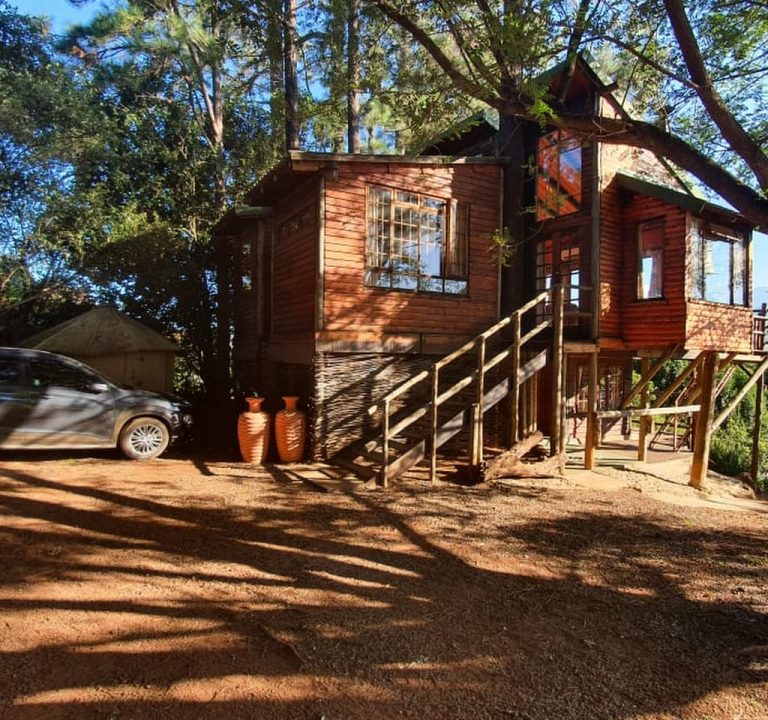
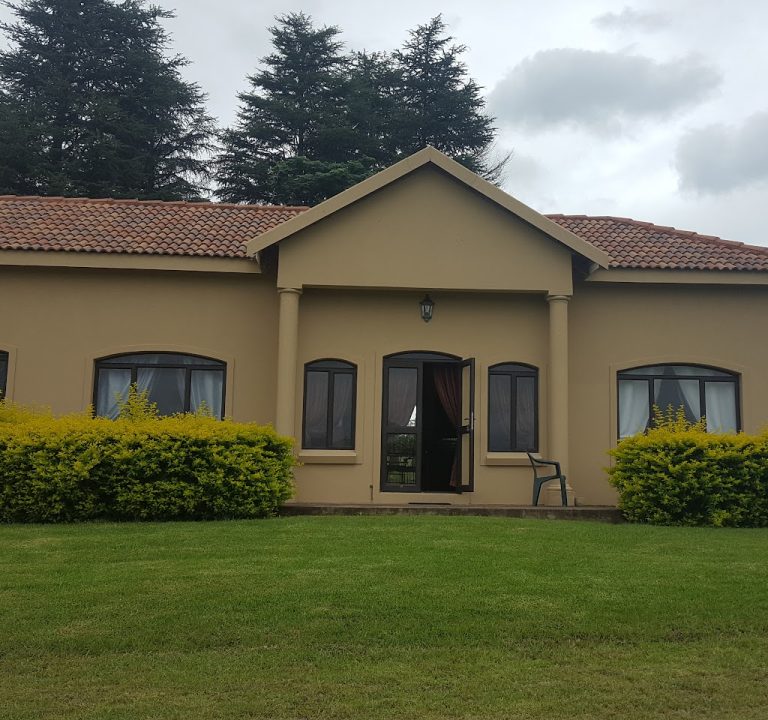
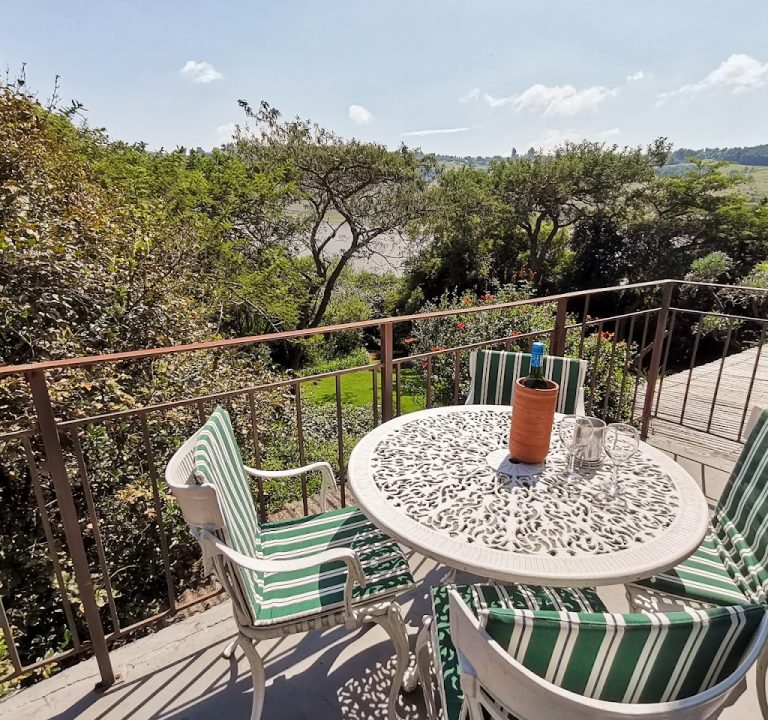
Accommodation in Winterton runs from self-catering cottages to guesthouses and lansdscape-friendly lodges. A self-catering option such as Ouma Se Opstal can be particularly convenient for families or groups who want flexibility with meal times and the option to cook with fresh, local ingredients. When choosing a property, look for features that suit the pace of your trip: a well-equipped kitchen or kitchenette for easy home-cooked meals, secure parking, reliable heating or a wood-burning stove for cooler evenings, and outdoor spaces for braais or al fresco breakfasts with mountain views. If you’re travelling with children or pets, check house rules and nearby outdoor space to avoid last-minute surprises.
Mid-range and boutique options in the area often highlight a sense of place—country-syle décor, welcoming hosts, and proximity to gentle walking routes. In planning your stay, consider which neighbourhood or setting best suits your plans. Some guests prefer a central Winterton location for quick access to shops and cafés, while others opt for rural surroundings on the village’s outskirts for a quieter atmosphere and more expansive views. Proximity to starting points for day trips or hikes can also shape your choice; a short drive to a trailhead or waterfall can save valuable time in busy itineraries.
Typical amenities to expect include comfortable bedding with quality pillows and linens, clean bathrooms with hot showers or baths, and flexible dining options. Where possible, choose properties that provide memorable touches—perhaps a fireplace for cosy evenings, a well-stocked pantry, or a guest information folder with local tips and seasonal recommendations. Free or reliable Wi‑Fi, laundry facilities, and accessible routes for guests with mobility considerations are worth noting, particularly if you plan to spend days outdoors and evenings relaxing with a book or planning your next excursion.
Transport arrangements are a practical part of the planning. A car is typically essential for exploring Winterton and the Drakensberg surroundings, given the spread of attractions and dining options. If you aren’t driving, check what transport services are available locally or whether your accommodation can arrange guest-friendly transfers. Be mindful of road conditions in the region, especially in winter when weather can affect northern Drakensberg approaches. Pack accordingly: sturdy walking shoes, a light waterproof, and layers for rapid temperature changes between day and night.
Best time to visit Winterton depends on what you’re after. Summer brings lush greenery, longer days for outdoor activities, and a pleasant climate for hill walks and riverside strolls. Winter, distinctly cooler, offers crisp air and dramatic mountain scenery; on higher Drakensberg faces, occasional snow or frost can add a magical ambience for short breaks and photography enthusiasts. Shoulder seasons strike a balance between comfortable hiking weather and quieter guesthouses, with fewer crowds at popular trails and viewpoints. If you’re planning outdoor adventures, aim to book well in advance for peak weekends and school holidays, and always confirm access to your preferred trailheads and natural sites during public holidays.
When it comes to activities, Winterton and its surroundings offer gentle adventures and cultural experiences rather than big-city bustle. Expect scenic hikes suitable for varying fitness levels, opportunities to spot local birdlife, and visits to nearby farms or craft outlets where you can learn about traditional rural crafts. For a relaxed day, consider a riverside picnic, a gentle walk through pasture and hedgerows, or a scenic drive along winding mountain lanes. Dining out tends to feature seasonal fare with a focus on local produce—home-style cooking, hearty soups, roasted meats, and fresh salads—at welcoming cafes and eateries in and around the village. For a broader experience, you can plan a day trip to nearby towns or nature reserves where guided walks or short tours offer insights into the area’s natural history and farming heritage.
Practical tips to help you make the most of your stay:
- Book early in peak periods and consider flexible dates to secure better rates.
- Read guest reviews for insights into heat and moisture control, noise levels, and the practicality of kitchens and laundry facilities.
- Ask hosts about local tips, such as the best times for short hikes, viewpoints with easier access, and safe, parking-friendly routes to popular spots.
- Check whether your accommodation provides maps or a simple guide to the surrounding area, including where to shop for fresh, local ingredients.
- Pack a lightweight waterproof layer, even in warmer months, and shoes suitable for uneven terrain in upland areas.
Winterton’s combination of welcoming places to stay and easy access to open countryside makes it a great escape for couples, families, and solo travellers alike. A thoughtfully planned stay—balancing a comfortable base with a mix of light outdoor activity and relaxed meals—lets you experience the region’s mountains, air, and countryside with ease. For inspiration and ideas, you can explore accommodation options and local sites online, and consider a stay that centres on a self-catering base to enjoy the pace and space of the KwaZulu‑Natal highlands.