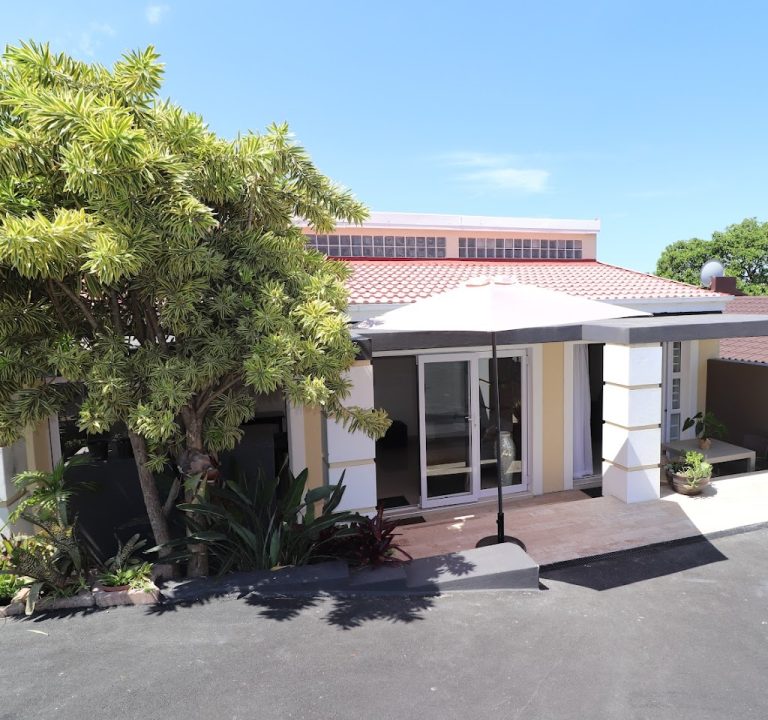
Durban: accommodation planning, areas to stay, and a taste of the city
Durban, on KwaZulu-Natal’s warm eastern coastline, offers a mix of beachfront splendour, leafy residential pockets and lively city centres. When planning a stay, consider the rhythm you want from your visit. Do you crave easy access to the sea and promenade, or a quieter neighbourhood with easy links to the airport and business hubs? Durban’s range of guest houses, B&Bs, boutique hotels and larger hotels can cater to families, couples and solo travellers alike, with options that span coastal views, historic districts and modern city quarters.
Areas to consider include the Golden Mile and beachfront precincts for sea views and quick access to sandy stretches; the Berea for characterful streets and close-to-centre comforts; Morningside and Windermere for a mix of residential calm with quick city access; Umhlanga and La Lucia for a resort vibe with shopping, dining and surf-ready waves; and Durban North for a slightly quieter, family-friendly atmosphere with convenient routes to northern beaches and the airport corridor.
What to look for when booking? First, assess distance to the places you plan to visit and how you’ll get around. If you intend to spend long days on أو near the coast, staying within easy reach of the promenade or main tourist routes can save time. Check if breakfast is included, and whether meals can be flexible for early departures or late returns. Look for properties offering secure parking, reliable Wi-Fi, air conditioning for Durban’s warm months, and a sensible cancellation policy. Family rooms, suites with separate living spaces, or kitchenettes can be useful for longer stays. Quiet rooms, good soundproofing and visible security measures are worth noting, especially if you plan to explore busy city streets after dark.
Typical amenities you might encounter include: complimentary Wi-Fi across common areas and rooms, a private or communal outdoor pool, on-site parking, laundry facilities, and friendly, locally informed staff who can point you toward authentic dining and offbeat experiences. For guests seeking a more personalised stay, B&Bs and guest houses often emphasise attentive service, characterful interiors and a home-from-home feel. If you’re travelling with children, verify rooms and public spaces are family-friendly and ask about travel cots or high chairs in advance.
Getting around in Durban is straightforward with several practical options. If you’re staying near the beachfront or city centre, the MyCiTi bus network covers many routes and can be a convenient way to reach major attractions. Taxis and rideshare apps operate widely, and car hire provides maximum autonomy if you plan day trips along the coast or into inland reserves. For longer stays, a car often makes sense, though many central locations are walkable to dining, markets and beaches. When booking with a guest house or hotel, confirm if parking is secured and whether there are any extra charges for transfers or airport pick-ups.
Best time to visit Durban varies with personal preference. The city enjoys warm, subtropical weather most of the year, with peak heat and humidity in the summer months. Winter is mild by many standards, offering comfortable days for sightseeing, while the spring and autumn shoulder seasons tend to be pleasantly less crowded. If you’re aiming to spend time on the coast, you’ll likely enjoy the dry season for better beach conditions, but Durban’s rainfall is typically sporadic and short-lived even outside peak season.
Practical tips for planning your stay: secure a flexible booking where possible, especially if your plans might shift around holidays or local events. Pack light, breathable clothing and a light rain layer for late summer showers. Bring sun protection for day trips and coastal walks. When dining out, remember that many Durban eateries are busy after work hours, so consider reservations for weekends. Tipping is customary for good service, and a small amount commonly goes to both front-of-house and housekeeping staff where appropriate. If you’re seeking authentic local experiences, ask your host or accommodation staff for guidance on markets, coastal walks, and cultural venues that reflect KwaZulu-Natal’s rich blend of traditions and flavours.
Durban offers a diverse palette of experiences beyond where you stay. You can enjoy expansive beaches and promenade strolls, markets and artisan hubs selling crafts and food, and a mix of informal seafood shacks and contemporary restaurants that showcase regional ingredients. For nature lovers, nearby nature reserves and coastal trails offer gentle hikes with sea and mountain scenery. For culture and history, seek out venues and districts that highlight Durban’s multicultural heritage, and consider day trips that reveal more of KwaZulu-Natal’s landscapes—from rolling hills to coastal wetlands.
Suggested planning note: pair your accommodation with a flexible day-by-day plan. Allocate mornings for beaches or strolls along the waterfront, reserve afternoons for markets or cultural venues, and leave evenings for al fresco dining or relaxed meals at your lodging. By balancing location, comfort, and accessibility, you can enjoy a comfortable, tastefully paced Durban stay that suits both sight-seeing and downtime.
For further inspiration and practical planning, official tourism resources offer updated itineraries, recommended areas, and travel tips that can help you tailor your trip to your interests. More information can be found at national and regional tourism portals and through reputable travel sites that highlight Durban’s hospitality and attractions. South Africa Tourism can be a good starting point for background on the city and surrounding regions.