Staying in Yzerfontein: where to stay and what to do in the Western Cape seabird haven
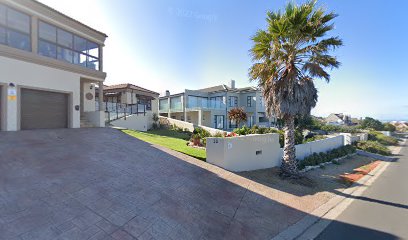
Yzerfontein is a small, sun-soaked seaside village on the West Coast of the Western Cape, best known for its wide, sandy beaches and dramatic Atlantic skies. It is a place where visitors can unwind at a relaxed pace, with a focus on nature, long beach walks, and easy coastal living. For travellers seeking a comfortable home base, there are several options in and around the village, from serviced apartments to guesthouses and self‑catering houses. One example of thoughtfully managed accommodation is Orca House, a serviced property that offers a convenient stay for visitors wanting more space and practical amenities while exploring the area. You can explore more about such properties online at their site: http://www.theorca.co.za/.
When planning a stay, think about the layout of Yzerfontein and where you want to be. The town is compact, with a coastline defined by the main beach and a handful of shops, restaurants and cafés clustered along the main road. If you prefer immediate beach access and the best morning light for walks, look for accommodation near the harbour and central beach. If you’d rather a quieter, more residential feel, consider properties set back from the main road or inland pockets that still offer easy access to the coast.
Areas to consider when booking
- Beachfront or harbour-side stays for direct access to waves, sunrise walks and sea breeze.
- Mid-town locations close to shops and eateries, balancing convenience with a calmer ambience.
- Outlying or inland courtyards and gardens for extra space, privacy, and a sense of seclusion.
Typical amenities and what to expect
Most accommodation in Yzerfontein aims to provide a practical, home-from-home feel. Common features include well-equipped kitchens or kitchenettes, comfortable living spaces, and private parking. For families and groups, several properties offer multiple bedrooms, separate bathrooms, and outdoor spaces such as patios or balconies with sea views. In serviced accommodation like Orca House, guests can usually expect housekeeping on a regular basis, a well-appointed kitchen, and on-site facilities designed to simplify stays, from laundry provisions to reliable hot water and comfortable bedding. When you compare options, consider essential items such as Wi‑Fi reliability, heating or cooling for the cooler months, and secure access to the property for added peace of mind.
Booking tips worth noting
- Read reviews carefully to gauge how well a property handles peak season demand, cleanliness, and guest communication.
- Check the distance to the beach and to the village centre, and consider whether you’ll need a car to get around.
- Verify the check-in process and whether hosts or managers offer flexible arrival times, especially for late flights or ferries.
- Note the cancellation policy and any security deposit requirements before booking.
- Confirm what is included in the rate—linens, towels, and basic amenities—so you don’t duplicate purchases or exceed budgets.
Transport and getting around
Many visitors rely on a car for flexibility, given the spread-out nature of coastal West Coast communities. If you fly into the region, you’ll typically connect via Cape Town and continue by road to Yzerfontein on the R27. For shorter visits, some properties offer parking and easy access to the beach, but you should factor in time for scenic drives along the coastline and the occasional sand tracks that may be more suitable for certain vehicles. Local taxis and ride-sharing are less ubiquitous here than in larger cities, so plan transport ahead of time if you prefer not to drive. Walking or cycling along the seaside promenade is pleasant for short trips and helps you soak up the sea air without relying on a car.
Best time to visit and practical tips
The climate along the West Coast is marked by bright sun, fresh sea breezes, and a strong ocean presence. Summer (December to February) brings warm days ideal for beach time, with cooler evenings by the water. Autumn and spring offer milder spells with fewer crowds and are excellent for long beach walks, birdwatching, and photography. Winter is cooler and can be windy, but the dramatic Atlantic weather and storm watching can be compelling for some travellers. Pack layered clothing, a sturdy pair of walking shoes, and sun protection for daytime outings. If you’re planning river or dune excursions, always check local weather conditions and tide times, as these can affect accessibility and safety near coastal spots.
What to do and what not to miss
In Yzerfontein, the emphasis is on outdoor experiences and enjoying the sea air. You’ll find expansive beaches that are perfect for long walks, postcard-worthy skies at dawn or dusk, and opportunities for wildlife watching along the coastal margins. While the town itself is modest, the surrounding region offers scenic drives, nature reserves, and coastal viewpoints that invite slow exploration. For meals, several local spots serve casual fare and seafood with a regional flavour; while exact menus and offerings change, you can generally expect fresh ingredients, relaxed service, and a convivial atmosphere suitable for families, couples, and groups alike. For a sense of scale and to plan a balanced itinerary, sketch a loop of the main beach, the village shops, and a chosen nature or dune area, then schedule a relaxed mid-morning coffee or late-afternoon snack stop to soak up the view.
Practical note for visitors
Do a quick refresh of essential tasks before arrival: confirm your luggage arrangements, check the latest local travel advisories, and have a backup plan for rain or strong winds. If you’re staying at a serviced accommodation such as Orca House, you’ll typically find a thoughtful setup that supports a comfortable stay without the need to source every everyday item. Always refer to the property’s online guidance for arrival instructions, housekeeping days, and any house rules to ensure a smooth and enjoyable experience.