Accommodation and Experiences in Cape Town: Where to stay and what to do
Cape Town offers a diverse array of staying options for travellers, from stylish boutique lodges to family-friendly guesthouses and modern apartments. When planning a stay, consider the neighbourhoods that best suit your interests and pace: bustling city life, coastal views, or leafy residential tranquillity. Whether you’re drawn to the Atlantic Seaboard’s harbour vistas, the bohemian energy of the city bowl, or the wine routes of the Constantia and Stellenbosch area, there are lodging choices to match every preference and budget.
Typical amenities you might expect include free Wi‑Fi, self‑catering facilities, private ensuite bathrooms, secure parking, and personalised local knowledge from hosts. Many properties offer breakfast options, which can be a convenient start to days spent outdoors or exploring nearby markets and restaurants. If you’re travelling with family or a group, consider apartment-style stays with separate bedrooms and a small kitchen, or a guesthouse with communal spaces for gathering after a day out. For business stays or longer visits, look for workspaces, reliable high‑speed internet, and easy access to transport links.
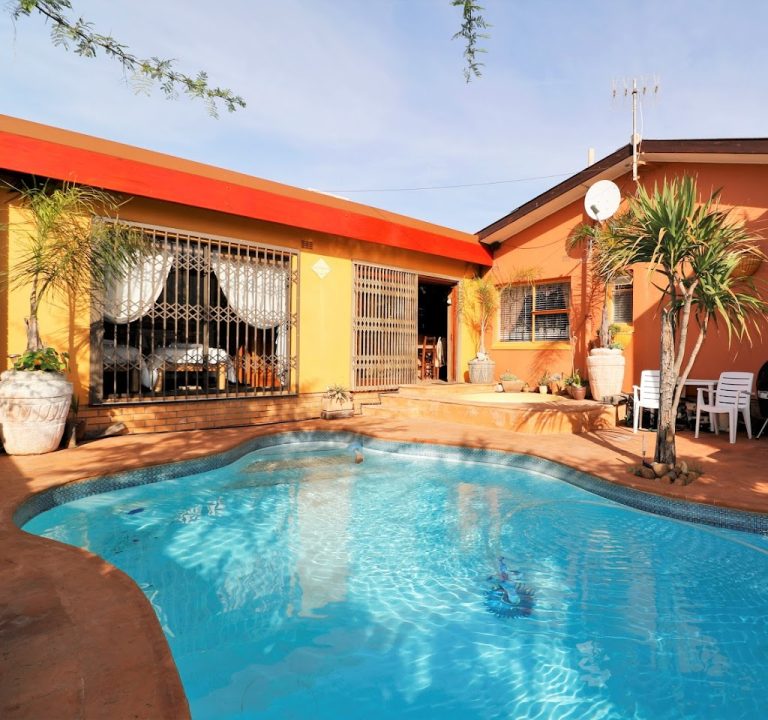
Opportunity guest house (thematically aligned with lodgings in the area) provides a flavour of the kind of hospitable, mid-range accommodation often found in Cape Town. It can serve as a practical example of staying in a cosy, space‑efficient venue that balances price with comfort and convenient access to major routes and sights. When selecting similar properties, think about how much time you plan to spend in the room versus exploring the city; many guests prefer a light and bright room with a good bed and a friendly host to help plan daily itineraries.
Neighbourhoods to consider:
- The City Centre and Green Point: central, convenient for museums, the waterfront, and easy access to tours. Expect compact rooms with modern fittings and close proximity to public transport and eateries.
- Atlantic Seaboard (Sea Point, Camps Bay, Clifton): coastal rooms with sea views, airy spaces, and a focus on outdoor lifestyle. Parking can be limited, so check the listing if you’ll be driving.
- Constantia and the Southern Suburbs: leafy suburbs ideal for families and travellers seeking quiet residential charm, gardens, and easy access to Cape Town’s wine routes.
- Observation and Woodstock: trendier areas with creative dining scenes, boutique stays, and good transport links to the city.
Transport is an important planning consideration. Cape Town’s MyCiTi buses connect many neighbourhoods to key sights and the city centre, while Uber and other ride-hailing services are widely available. If you’re staying near the waterfront or in the Atlantic Seaboard, a car can be convenient, especially for trips to beaches and scenic viewpoints. For days when you want to avoid driving, focus on districts with walkable access to restaurants, markets, and scenic spots.
The best time to visit Cape Town depends on what you want from your trip. Spring (September to November) and autumn (March to May) bring milder temperatures and fewer crowds, making it ideal for hikes, gardens, and wine-tasting excursions. Summer (December to February) offers longer days and lively beach culture, while winter (June to August) is cooler and wetter but often ticket-friendly for city tours and cultural attractions. Pack layers; coastal winds can be brisk, and sun protection remains important even on cooler days.
Booking tips to get the most out of your stay:
- Read recent guest reviews to gauge consistency in cleanliness and host responsiveness.
- Check the exact location on a map to assess travel times to your must‑see sights.
- Confirm what is included in breakfast and whether there are options for vegetarians or other dietary needs.
- Ask about parking, safety, and the availability of laundry facilities if you’ll be staying for more than a few days.
- Look for flexible cancellation policies in uncertain travel periods.
Attractions and activities are abundant beyond the lodging. Landscape highlights include Table Mountain’s iconic massif, coastal drives along the Atlantic Seaboard, and the rolling vineyards a short drive away. Cultural experiences span museums, galleries, and markets showcasing local crafts and cuisine. In terms of dining, Cape Town’s restaurant scene ranges from casual coastal eateries to refined brasseries offering fresh seafood and Cape flavours; explore broadly and in different neighbourhoods to sample a spectrum of tastes. For a low‑stress day, plan a route that blends scenic viewpoints with relaxing parks and gardens, such as Table Mountain from a cable car viewpoint, Kirstenbosch National Botanical Garden, and the trails that weave through low‑lying coastal suburbs.
When planning a stay, keep a practical mindset: confirm what transport you’ll rely on, identify a few anchor sights you want to visit, and allow time for spontaneous discoveries in markets, cafés, and bakeries. Cape Town rewards travellers who balance time between comfortable lodgings and the outdoors, paired with easy access to diverse dining and cultural experiences. With thoughtful planning, a stay in Cape Town can be an energising blend of relaxation, scenery, and flavour, all within reach from a well-situated base.
For more information on local tourism and travel tips, you may wish to visit official visitor resources such as Cape Town Tourism: https://www.capetown.travel