Accommodation and Attractions in Bonnievale, Western Cape: A Practical Welcome
Nestled in the serene Breed River valley of the Western Cape, Bonnievale offers a relaxed base for exploring rural South Africa with a touch of sophistication. Whether you are seeking a self-catering escape, a guesthouse amid vineyards, or a cosy lodge with easy access to nature, Bonnievale provides a range of options designed for travellers who value comfort, space and a sense of place. A good stay here blends the charm of small-town hospitality with convenient routes to nearby towns, wine estates and outdoor activities.
When planning a stay, think first about your preferred base within Bonnievale. The town centre is convenient for amenities and easy strolls, while locations closer to the surrounding vineyards or the riverfront can offer more tranquil views and direct access to nature trails. If you are travelling with family, friends or a group, a self-catering option can provide flexibility for meals and late evenings, whereas a guesthouse or boutique lodge can deliver daily housekeeping, breakfast and local recommendations, all within a compact walkable radius of shops and eateries.
Booking considerations are well worth a little forethought. Look for properties that clearly state their kitchen facilities if you are planning self-catering, or note whether breakfast is included when you prefer a ready-made start to the day. Check the size of the living space and the number of bedrooms to ensure comfort for everyone in your party. In rural settings, reliable access to off-street parking, privacy, and secure access can be important, especially if you plan to explore in the evenings or travel by car to nearby towns and wine routes. Most properties in Bonnievale provide some form of complimentary Wi-Fi, heating or air conditioning, and consistent water supply—features that make a stay more predictable in changing weather.
Typical amenities you might encounter include fully equipped kitchens or kitchenettes, daily housekeeping on some days, outside seating or braai areas, and pools or outdoor entertainment spaces. In a family-friendly place, look for flexible sleeping arrangements and safe outdoor spaces. For couples or solo travellers seeking a quieter stay, verify whether the accommodation offers private entrances or secluded patios to maximise your privacy. Accessibility can also be a consideration; ask about stair heights, doorway widths, and bathroom configurations if you have specific mobility needs.
Transport in Bonnievale is best arranged by car, giving you the freedom to explore the surrounding wine estates, scenic drives and nature trails at your own pace. Most guesthouses and lodges offer parking on site, with some able to arrange transfers or guided tours on request. While the town itself is compact, a vehicle makes it easier to explore reach-out points in the wider Robertson Valley, including nearby towns, riverside walks and viewpoints along the escarpment. It’s wise to factor in the drive time to activities and to plan refuelling stops as you travel between estates and outdoor sights.
The best time to visit Bonnievale depends on your priorities. The Western Cape experiences a Mediterranean climate, with hot summers and cooler, wetter winters. Summer can be ideal for river activities, outdoor dining al fresco, and wine-tasting excursions on the more temperate days. Spring and autumn bring pleasant temperatures and quieter crowds, which can be perfect for scenic drives, birdwatching and strolling through gardens. Winter tends to be cooler and rainier, offering a different backdrop with cosy interiors and fireside evenings. If you are keen on wine and food experiences, align your visit with regional harvests or seasonal events, but always check with your chosen accommodation for local schedules and any reservations required at estates or eateries.
Practical tips to help you plan a smooth stay in Bonnievale:
- Book early for peak holiday periods, especially if you prefer self-catering homes or boutique guesthouses with limited rooms.
- Read guest reviews focusing on cleanliness, responsiveness of hosts, and accuracy of descriptions in relation to what is actually on offer.
- Communicate any dietary needs or accessibility requirements in advance to the host or management team.
- Ask about the nearest grocery stores, petrol stations, and medical facilities to save time during your trip.
- Plan a day-by-day timetable that balances nature-based activities with relaxed meals and downtime, allowing for weather changes.
When it comes to attractions and experiences, Bonnievale offers a tranquil mix of landscape and leisure. Visitors commonly enjoy scenic river views, easy trails suitable for all fitness levels, and visits to nearby vineyards and farm stalls that capture the agricultural character of the valley. Dining is typically informal and farm-to-table in feel, with menus that celebrate local produce. For a balanced itinerary, combine days on the valley floor with short drives to surrounding towns for broader cultural kits, markets, and artisan shops. Your chosen accommodation can often provide personalised recommendations, map routes, and insider tips to help you discover the best locally sourced fare and hidden viewpoints.
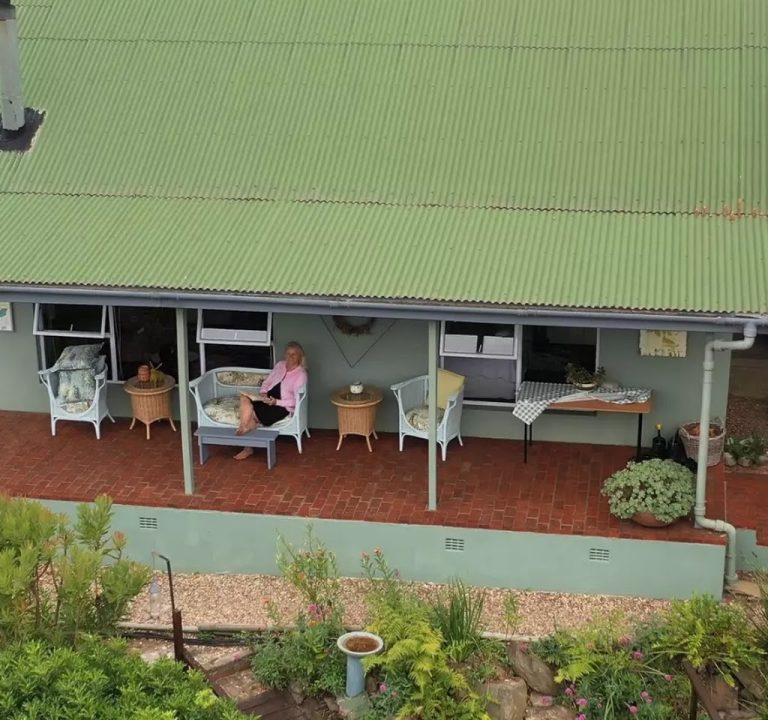
A representative example of a welcoming base is Oppiekoppie Self-catering Guesthouse, a guesthouse-style option preferred by many travellers for its self-catering practicality and countryside ambience. If you are considering this type of stay, you can explore the property's own website for specifics on layout, kitchen facilities, and seasonal availability, while continuing to plan your days around the charming pace of Bonnievale and its surrounds.
To make the most of your visit, combine a comfortable place to stay with a flexible, well-paced plan that honours time for relaxation as well as exploration. For more information on accommodation and practical planning in Bonnievale, you can explore official tourism pages and the websites of local guesthouses and lodges that best match your travel style and budget. A stay here is best approached as a gateway to the region’s scenic beauty, warm hospitality, and the gentle rhythm of Western Cape rural life.