Cape Town: Accommodation options, planning tips and local highlights
Cape Town offers a rich mix of places to stay, from stylish waterfront apartments and boutique guesthouses to family-friendly lodges in the surrounding winelands and rugged coastal towns. When planning a visit, thinking about the neighbourhood, transport links and what you want to base your days around will help you choose accommodation that truly enhances your experience of the Western Cape.
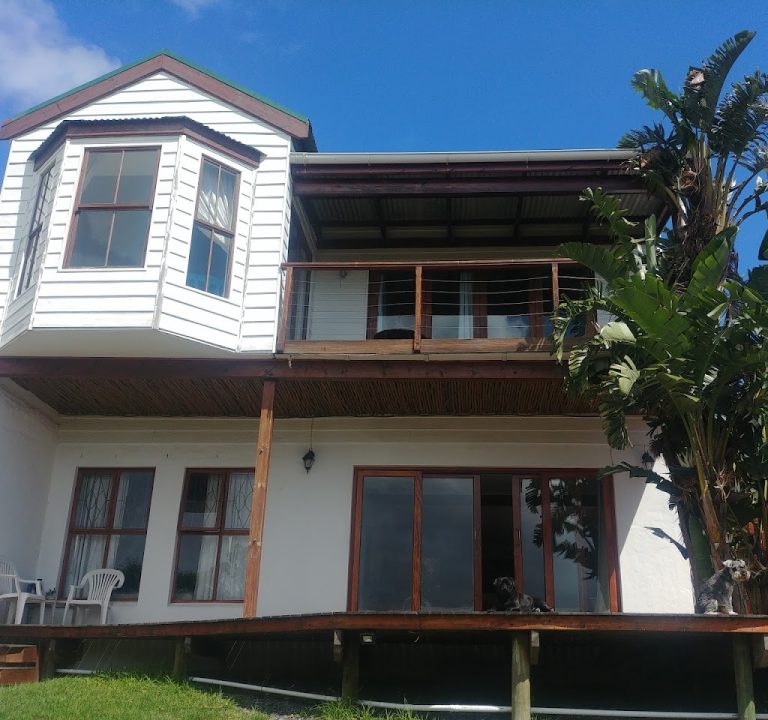
One notable example of a charming stay is Open Home StarFish Cottage, a characterful option that often appeals to travellers seeking a cosy base with easy access to key sights. While booking, consider how the property’s layout and facilities match your plans—whether you prioritise a full kitchen for long stays, a terrace to unwind after exploring, or parking for convenience when renting a car.
Areas to consider, each with its own vibe, influence how you’ll spend your days. The City Bowl offers walkable access to museums, galleries and historic streets, while the Atlantic Seaboard and Camps Bay provide striking coastal scenery and easy beach days. For a leafy, relaxed setting with easy access to winelands, Constantia and the southern suburbs are worth a longer stay. If you’re after harbour views and fresh seafood, the V&A Waterfront area is convenient for day trips and evening strolls. For a more rural, tranquil feel, neighbouring towns such as Hout Bay or Constantia offer vineyards, hiking and slower-paced evenings.
Typical amenities you’ll encounter in Cape Town’s varied accommodation options include reliable wifi, well-equipped kitchens or kitchenette facilities, secure parking, and private or shared outdoor spaces. Properties near the harbour or coastal areas often boast sea views, while city-centre stays tend to provide easy access to public transport, cafés and nightlife. Look for flexible cancellation policies and clear housekeeping schedules, particularly if you’re travelling outside peak seasons. Family travellers should check if cots or extra beds are available, and solo travellers may appreciate a guided local activity or a social common area in boutique guesthouses.
Transport is a practical consideration. The MyCiTi bus network covers many parts of the metropolitan area, providing a cost-effective way to reach major sights from central accommodation. Taxis and ride-hailing services operate widely, making day trips to the Cape Peninsula, Table Mountain, or the Winelands practical without a car. If you plan to explore more remote beaches or towns, renting a car offers freedom, though keep in mind the steep hills and busy peak-season traffic in central areas. When staying near the city, you’ll often find good access to attractions by foot, which helps you soak up the atmosphere and discover small eateries and markets along the way.
Best time to visit Cape Town depends on the experience you’re seeking. The summer months (roughly October to March) are warm and lively, with long days ideal for beaches and outdoor activities. Winter (June to August) brings cooler, wetter weather but can still be pleasant for city sightseeing and wine tastings when you’re prepared for occasional showers. Shoulder seasons—spring and autumn—often offer comfortable temperatures, fewer crowds and reasonable rates, making them excellent for a balanced itinerary focusing on outdoor adventures and cultural experiences.
Planning tips to maximise your stay:
- Decide on a base aligned with your itinerary—coastal stays for beach days and viewpoints, or city-centre locations for museums and dining experiences.
- Check the property’s access to transport links. Proximity to main roads, train lines or bus stops can save time during busy days.
- Consider your daily plans when choosing amenities. If you’ll rely on self-catering, a well-equipped kitchen and laundry facilities are valuable; for active itineraries, a robust Wi‑Fi connection and a quick access to a gym or pool may matter more.
- Map out a rough sequence of favoured activities—Table Mountain, Cape Point, Robben Island and the winelands are all fantastic, but it’s best not to try to cram too much into a single day.
- Check safety considerations and stay aware of your surroundings, especially in busy tourist zones after dark. Booking an accommodation with a reputable reception team or on-site security can provide extra peace of mind.
In terms of attractions and experiences, Cape Town offers a balance of natural beauty and cultural depth. You can expect sweeping views from Table Mountain or a scenic drive along Chapman’s Peak if conditions permit, followed by explorations of historic districts and a tasting-focused afternoon in nearby wine routes. Dining ranges from casual harbour-side eateries to refined restaurants offering modern South African and international cuisines. Markets, craft shops and cafés provide opportunities to browse handmade goods and enjoy local coffee and cuisine in relaxed settings.
To help you plan ahead, consider a light, flexible schedule that allows time for spontaneous discoveries—whether it’s a sunrise walk to a favourite lookout, a stroll through a historic neighbourhood, or a rest after a busy day before sunset. For further inspiration and practical planning, you can visit official tourism resources that outline routes, seasonal events and practical travel tips for Cape Town and the Western Cape: https://www.capetown.travel/
With a little organisation, your stay in Cape Town can combine comfortable accommodation, beautiful scenery and memorable experiences, making it easy to tailor a trip that feels both restful and enriching.