Cape Town: accommodation, planning and experiences for a memorable stay
Cape Town is a city of contrast and character, where modern high-rise hotels sit alongside historic guesthouses and stylish apartment complexes. Whether you are seeking easy access to bustling city corridors, spectacular coastal views, or tranquil wine-country retreats, the Mother City offers a wide range of options to suit different budgets and styles. When planning a stay, think about what kind of atmosphere you want, how you will get around, and how long you plan to explore the surrounding areas.
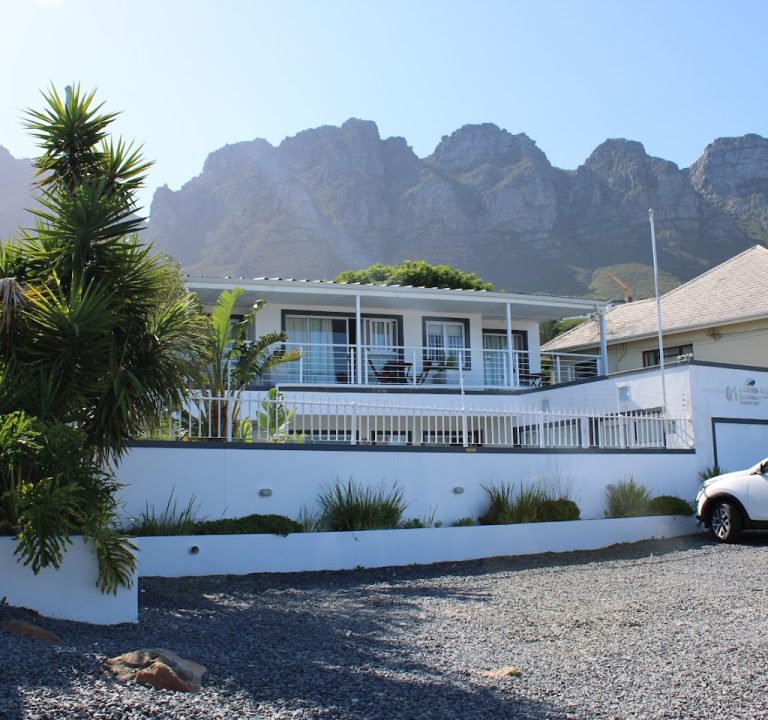
Accommodation comes in many forms. In the heart of the city, you’ll find contemporary hotels and chic serviced apartments that place you within minutes of museums, markets and a vibrant dining scene. The Atlantic Seaboard—encompassing Sea Point, Fresnaye and Camps Bay—delivers glamorous coastline living, with easy access to beaches and scenic promenade walks. For a leafy, slower pace, the Southern Suburbs offer boutique guesthouses and family-friendly lodges near Constantia’s famous wine routes and Table Mountain’s hiking trails. The Winelands north-east of Cape Town provide vineyard stays and country-house comfort, ideal for day trips into Stellenbosch or Franschhoek. Your choice will shape your daily rhythm and the kind of experiences you can easily include.
Before you book, consider the following aspects to help you choose wisely:
- Location relative to your planned activities: city sights, Table Mountain funicular, or day trips to the Cape Winelands and Cape Point.
- Accessibility and transport: whether the property offers on-site parking, proximity to MyCiTi bus routes or rail links, and how easy it is to reach coastal paths or nature reserves.
- Room configuration and facilities: whether you need self-catering options, multiple bedrooms, or space for a small group.
- Guest services and safety: 24-hour reception, secure entry, and considerations about the neighbourhood’s vibe at night.
- Seasonality and crowd levels: peak seasons can be busy; look for flexible cancellation policies and seasonal highlights.
Typical amenities you may encounter include free Wi‑Fi, in-room safes, and climate control, together with on-site eateries, swimming pools, fitness rooms, and access to outdoor spaces. Some properties provide complimentary breakfast, organised tours, or curated experiences—these can be particularly helpful for visitors who want to maximise their time without planning every detail themselves. When you book, check whether basic utilities such as kitchen facilities, laundry access, and adequate storage are included, especially for longer stays or family travellers.
Getting around Cape Town is easier with a plan. If you stay in the City Bowl or near the V&A Waterfront, you can comfortably walk to many attractions, galleries and cafés. For broader exploration, consider a mix of transport options: Uber or metered taxis for convenience, MyCiTi buses for affordable travel, and rented cars for day trips beyond the city. If you intend to venture along the Atlantic Seaboard or into the wine country, a car gives you flexibility to explore at your own pace. Many guesthouses and hotels offer shuttle services or partner with local operators for private tours, which can simplify logistics.
The best time to visit Cape Town depends on your priorities. Summer (December to February) brings long days and sea breezes, ideal for beaches and outdoor adventures, but it is also the busiest and most popular period. Spring (September to November) offers mild weather and blooming gardens, a great time for outdoor activities and city strolling. Autumn (March to May) and winter (June to August) bring cooler, wetter conditions, yet offer calmer streets and excellent value in many lodging categories. Outdoor activities such as hiking Table Mountain, visiting nearby nature reserves, or enjoying a coastal drive along the Chapmans Peak route are weather-dependent, so pack layers and a flexible plan.
Practical tips for a smoother stay: book in advance for peak seasons or major events, especially in sought-after areas like the City Centre or the Atlantic Seaboard. Check accessibility for stairs or lifts if you have mobility considerations, and confirm check-in times and bag storage options if you plan early arrivals or late departures. Bring or download a map of the city, as some neighbourhoods can be geographically large and spread out. Consider pairing your stay with a day trip to the Cape Winelands, a coastal drive to Cape Point, or a visit to a harbour-side market to sample local produce and crafts.
When it comes to attractions and dining in general terms, Cape Town offers a broad spectrum of experiences. Iconic viewpoints, sweeping ocean panoramas, and fascinating museums sit alongside inventive, chef-driven eateries and casual cafés. In planning, balance nature-based days with culture-rich stops and relaxed meals, allowing you to experience both the city’s energy and its quieter neighbourhoods. For updated information on specific sites, official visitor information portals or hotel concierges can be helpful resources as you refine your itinerary.
In short, Cape Town rewards thoughtful planning. Choose a base that aligns with the pace you want—from city-centre convenience to tranquil coastal or wine-country escapism—and you’ll have a flexible framework for discovering the best of what the Western Cape has to offer. Websites and local guides can provide current details on properties, routes, and seasonal highlights to help tailor your stay to your preferences.