Discovering Gqeberha: Accommodation, Attractions and Dining
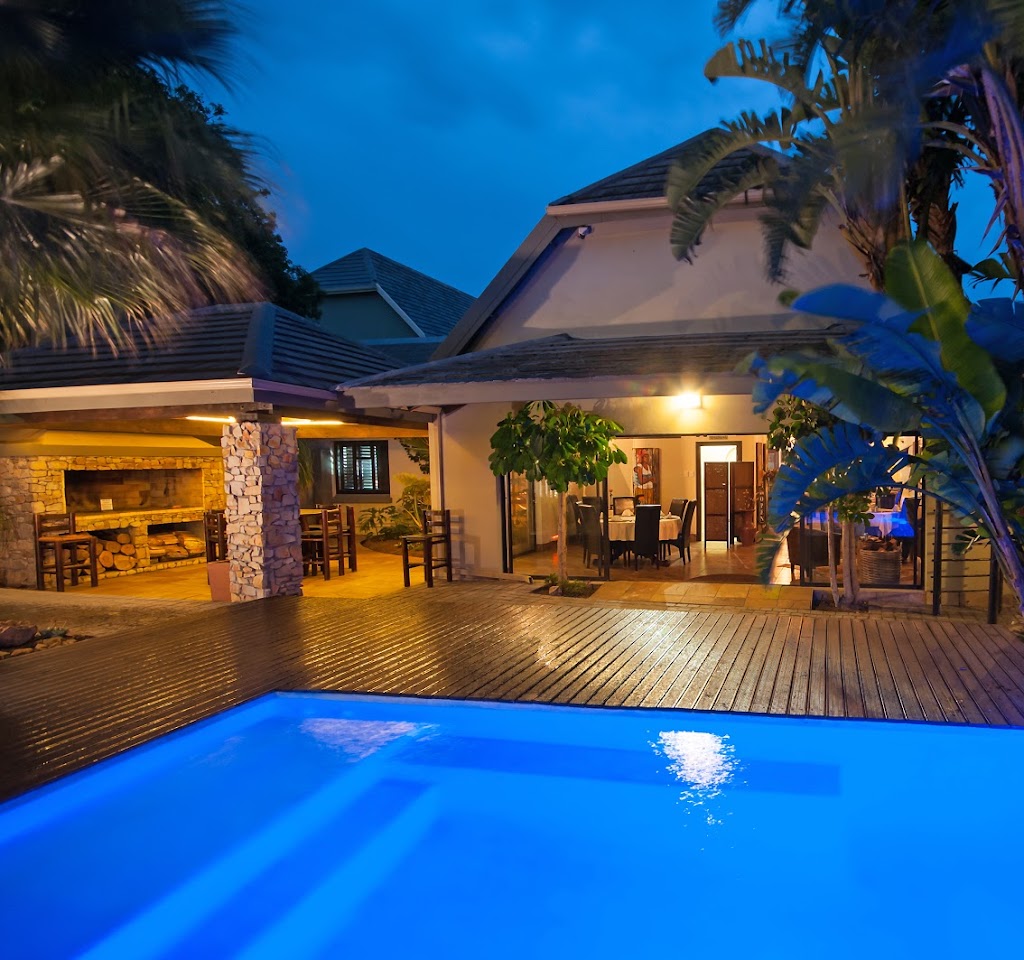
Gqeberha, officially known as Port Elizabeth, is a dynamic gateway to the Eastern Cape, offering a blend of coastal charm, friendly neighbourhoods and convenient access to wildlife reserves and rugged coastline. When planning a stay, consider a mix of comfortable guesthouses, boutique hotels and guest-friendly lodges that place you within easy reach of the city’s beaches, the Donkin heritage sites, and the broader Garden Route hinterland. For a personal touch, you might choose smaller, locally run places such as Onse Khaya, a guest house that emphasises hospitality and a relaxed, home-from-home atmosphere.
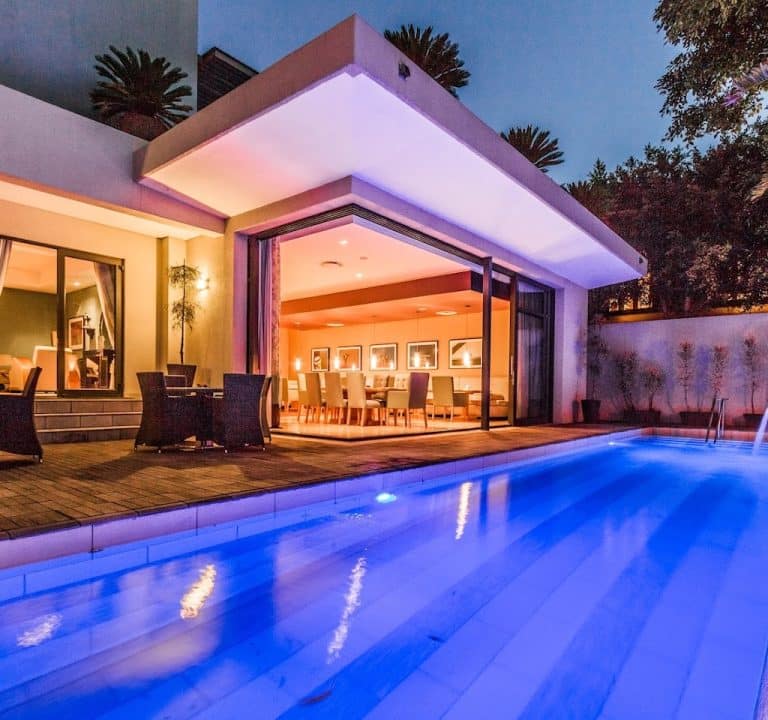
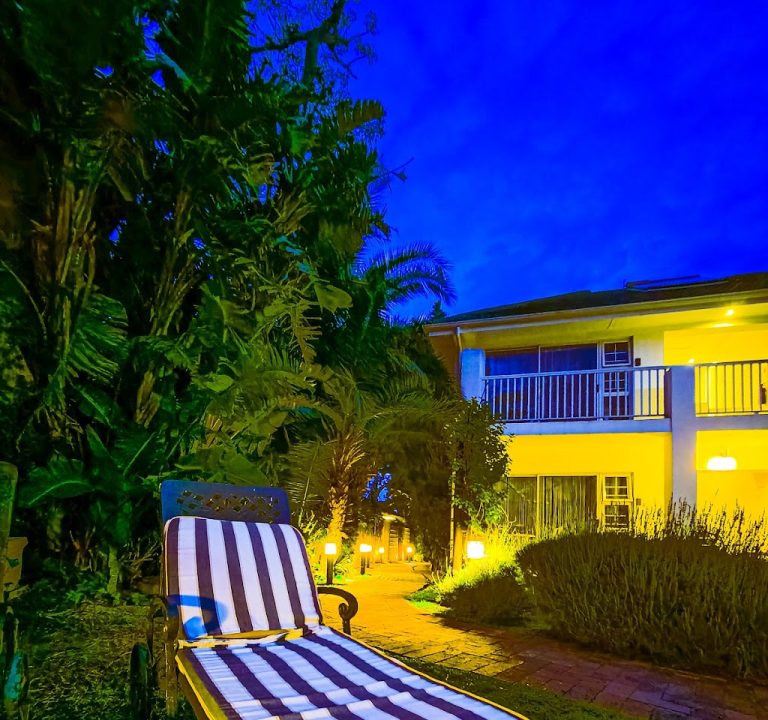
Accommodation in Gqeberha ranges from characterful Victorian-era houses to modern rooms designed for convenience. Look for properties that offer secure parking, reliable Wi‑Fi, and flexible check‑in options, especially if you plan to fly in late or depart early. A nautical or coastal theme is common in many parts of the city, reflecting its maritime heritage, while inland neighbourhoods often provide quiet streets, leafy corners and easy access to shops and cafés. When booking, consider the proximity to your preferred activities—whether it’s a day on the beach, a visit to the Addo Elephant Park simply a short drive away, or a stroll along the beachfront promenade at sunset.
Areas to consider include:
- Along the waterfront and beachfront suburbs for easy access to sandy days, sea views and scenic walks.
- Residential neighbourhoods closer to the city centre for a lively dining and nightlife scene, with many guesthouses and boutique stays offering warm, personalised service.
- Suburban pockets nearer to wildlife reserves or the Coega area if you’re planning day trips into the countryside or to nearby game parks.
- Historic districts with heritage architecture that provide a charming backdrop for a relaxed break.
Typical amenities to look for include en-suite bathrooms, air conditioning or ceiling fans for the coastal climate, and comfortable common areas where guests can mingle or unwind after a day of exploring. Many guest houses in Gqeberha provide self-catering options or breakfast inclusions, which can simplify mornings before a long day out. If you are travelling with family or a group, check for larger rooms or interconnecting suites, as well as parking facilities and easy street access for taxis or ride-hailing services.
Transport across Gqeberha is efficient if you set expectations around travel times. The city is well serviced by a network of taxis and ride-hailing apps, and many accommodation options can arrange airport transfers or guided day trips. If you plan to venture beyond the city, renting a car offers the most flexibility, especially for coastal drives or trips to wildlife reserves in the surrounding region. For those staying near the beachfront, you’ll enjoy long walks along the promenades and sunset views over the bay; for city-centre stays, you’ll benefit from a walkable area with cafés, bakeries and small eateries within easy reach.
The best time to visit Gqeberha is largely driven by weather and wildlife plans. Summers (November to February) bring warm temperatures and the possibility of tropical showers, making it ideal for beach days and outdoor activities. Autumn (March to May) offers milder weather and quieter streets, while winter (June to August) remains relatively mild by European standards but cooler evenings are common—great for long drives, coastline strolls and cosy evenings indoors. If your agenda includes visits to nearby reserves or the famed Addo Elephant National Park, plan a few early starts for wildlife viewing, which is often best in the mornings.
Practical tips to help you plan a smooth stay:
- Book accommodation with clear cancellation policies and either on-site parking or safe, walkable access to public transport.
- Pack layers for changing coastal conditions: breezy evenings by the sea and warmer days inland can vary quite a bit.
- Bring a small map or offline navigation on your phone to help you locate guest houses and local attractions without relying solely on data services.
- Respect local customs and neighbourhood etiquette, particularly in residential areas; a friendly greeting goes a long way.
- In peak holiday periods, early bookings are wise for popular spots and coastal stays, especially near family-friendly beaches and valleys close to wildlife experiences.
Gqeberha’s dining scene offers a relaxed array of places to enjoy, from hardy seafood grills to modern cafés and traditional African-inspired eateries. Expect menus that emphasise fresh, locally sourced ingredients and straightforward favourites that suit a beachside or day-out palate. Restaurants may offer light breakfasts, hearty lunches and easy dinner options, often with a focus on generous portions and friendly service. While exact names and prices vary, most visitors will find welcoming spots near the waterfront, city centre and residential districts, with many venues happy to recommend nearby attractions or a short scenic stroll afterwards.
When you’re ready to venture beyond the town itself, there are plenty of day-trip options within an hour or two. The coast offers dramatic drives and tide pools, while inland roads open up into green valleys and game reserves. Booking a stay that combines a coastal few days with a short excursion can provide a well-rounded introduction to this part of the Eastern Cape. In summary, plan for a stay that balances comfort, location, and flexible transport, and you’ll be well placed to enjoy both the sea air and the surrounding highlights of Gqeberha.