Accommodation and attractions in Cape Town: planning a memorable stay in the Western Cape
Cape Town is a city of contrasts, offering a diverse range of places to stay and a wealth of experiences to suit all kinds of travellers. From historic boutique guesthouses on private harbour islands to modern hotels along the cosmopolitan foreshore, the city provides lodging that can be the perfect base for exploring the Cape’s dramatic scenery, world‑class cuisine and vibrant neighbourhoods. When planning a stay, think about what you want to prioritise—scenic views, easy access to beaches, proximity to city life, or a quieter retreat in the suburbs—and choose a neighbourhood that aligns with your interests and daily pace.
Areas to consider include the city bowl and central Cape Town for easy access to museums, galleries, markets and the nightlife pulse; the Atlantic Seaboard, where flat sandy beaches and stylish eateries frame a scenic coastline; and the Southern Suburbs, offering leafy tranquillity and a short drive to wine valleys and mountain trails. If you plan to spend time in the winelands or on the Cape Peninsula, look for accommodation with good transport links or with shuttle options to save on daily travel. For a taste of local life, consider staying in neighbourhoods that combine boutique stays with intimate cafés and markets, rather than opting for large, isolated hotels.
When booking, detail is key. Check room size and layout, as well as practical considerations such as air conditioning for hot summers, heating for cooler months, dependable wi‑fi, and reliable hot water. If you’re travelling with family or a group, confirm bed configurations, sleeping arrangements and whether bathrooms are en‑suite. For those seeking a more intimate experience, many boutique inns and guesthouses offer personalised touches—curated breakfast menus, guided walks, or connections with local guides. If privacy is a priority, look for properties with private entrances, dedicated lounges, or self‑contained suites.
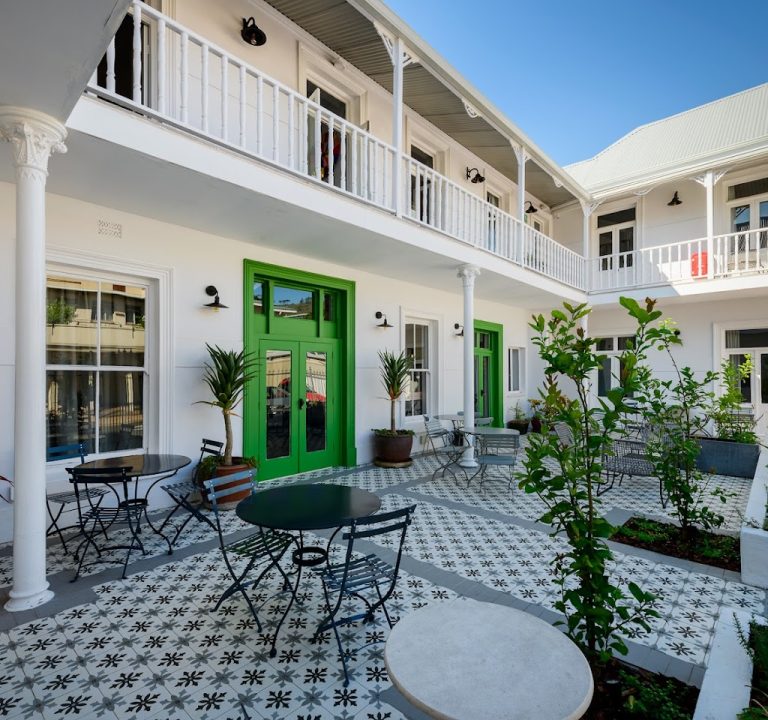
Typical amenities you might encounter include generous breakfast offerings, on‑site parking, rooftop terraces with city or sea views, and access to swimming pools or sun decks. In urban stays, you may find well‑equipped kitchens or kitchenettes in suites, allowing you to self‑cater on some days. In more boutique settings, expect period décor, attentive hosts, and a sense of place that reflects Cape Town’s heritage and landscape. For longer visits, consider lodges or guesthouses that provide a blend of comfort and local charm, along with flexible housekeeping arrangements and easy access to public transport or car hire services.
Transport is a practical consideration that can shape the day‑to‑day experience. Cape Town’s MyCiTi bus network is a straightforward option for bridge-to-bridge travel in the city, while Uber and other ride‑hailing services are widely available for shorter hops or evenings out. If you plan to explore areas further afield, such as the Constantia wine valley or the Cape Peninsula’s coastal towns, a hire car offers the most independence. Always check parking provisions if you’re staying in urban central areas, and ask your host or property manager about safe neighbourhood routes for walking at night.
Best time to visit Cape Town depends on the type of experiences you seek. Summer (December to February) brings warm days and peak beach activity, but it’s also the busiest period. Shoulder seasons—late spring (September to November) and autumn (March to May)—often offer milder weather, lighter crowds and excellent conditions for coastal walks and mountain trails. Winter (June to August) is cooler and wetter, yet it can be an ideal time to enjoy indoor attractions, museums, and the vibrant café culture, with the added possibility of dramatic stormy seas along the Atlantic coast. If you’re hoping to combine a city stay with a visit to the nearby winelands, plan ahead for seasonal weekends and public holidays when demand can rise sharply.
Practical tips to help you make the most of your stay:
- When booking, read recent guest reviews for insights into cleanliness, sound insulation, and consistency of service.
- Ask about breakfast options, minimum stay rules, and whether hosts offer local recommendations or guided walks.
- Request details on accessibility if needed, including elevator access, entry steps, and bathroom configurations.
- Clarify cancellation policies and refund reliability, especially during peak travel periods or if plans might change.
- Consider a stay that offers a blend of outdoor access (balconies, terraces, close proximity to beaches or parks) and indoor comfort for cooler evenings.
For ideas on where to base your trip, you can explore Cape Town's official tourism resources to understand the character of different areas and the types of experiences on offer. The city’s tourism sites commonly highlight scenic routes, viewing points, markets, and cultural hubs without tying visitors to specific paid experiences, leaving room for personal discovery. Even if you choose a quiet guesthouse or a stylish hotel in a convenient district, you’ll find that the everyday rhythm of Cape Town—sunrise over Table Mountain, harbour views, and the aroma of fresh baking from nearby cafés—begins to shape your itinerary in a way that is uniquely Cape Town.
Whether you’re visiting for a weekend break or a longer stay, Cape Town invites you to balance restful accommodation with active exploration. A well‑chosen neighbourhood can cut travel time, amplify local experiences, and give you the chance to linger over a morning coffee as the city wakens. For further planning, consider consulting reputable travel guides and official tourism pages for up‑to‑date information on transport and accessibility, and to help you tailor an itinerary that truly reflects your interests. For ideas on places to stay and how to plan your days, you can start with a general overview at Cape Town Tourism’s site or similar reputable resources, then refine your plans based on your preferences and pace.