Prince Albert, Western Cape: A Practical Guide to Accommodation, Attractions and Local Flavour
Prince Albert, tucked into the Klein Karoo in the Western Cape, offers a charming blend of heritage architecture, olive groves and a relaxed, family‑friendly pace. Whether you are seeking a cosy guesthouse, a countryside retreat or a comfortable base for day trips into the surrounding mountains, planning ahead will help you make the most of a stay in this historic town.
Accommodation in Prince Albert ranges from intimate guesthouses to distinctive lodges and self‑catering options. When choosing where to stay, consider the character you want from your visit: a quiet, village‑style atmosphere with easy strolls to cafés and galleries, or a more secluded escape with expansive views and more room to spread out. Many properties are housed in or around restored Victorian and Edwardian buildings, which adds to the sense of stepping back in time, while still delivering modern comforts.
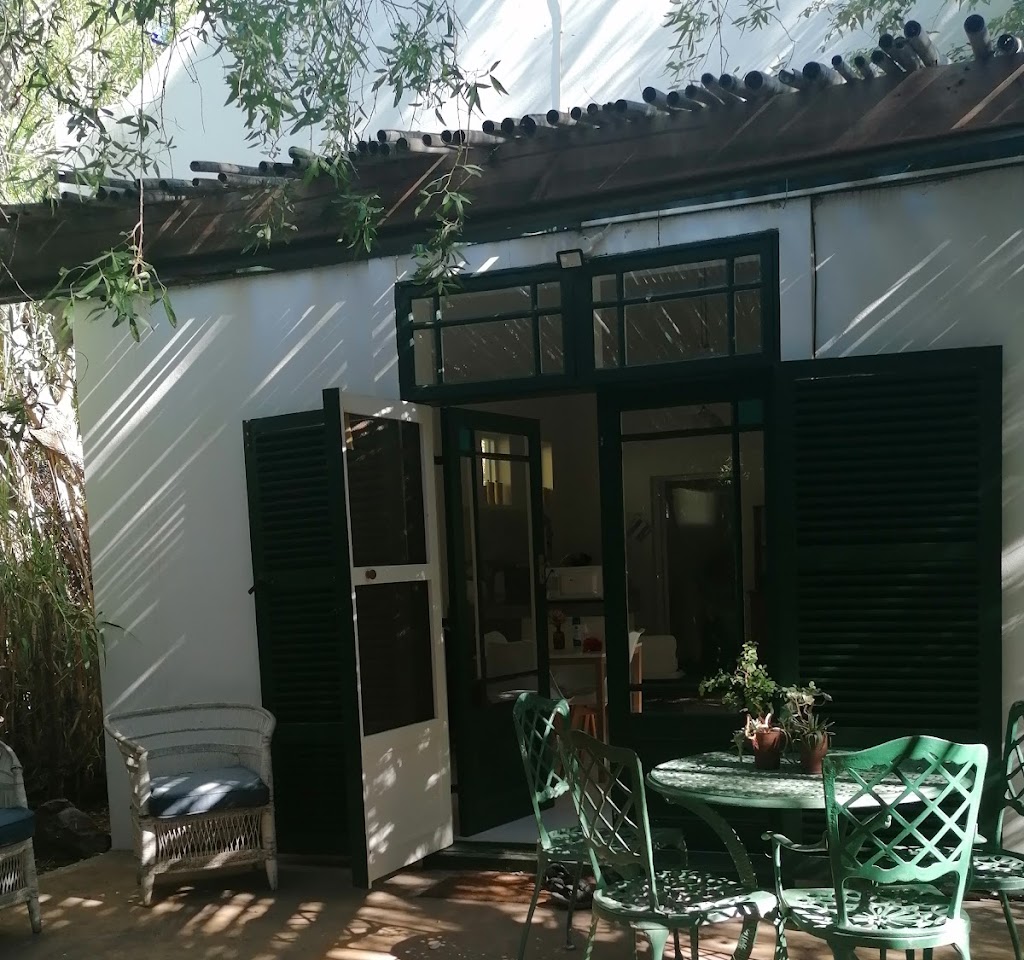
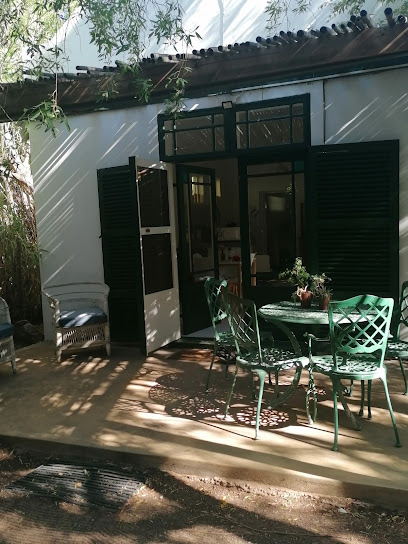
Areas to consider include the town centre for convenience, where you can walk to restaurants, museums and craft shops, and the outskirts or higher ground where you may enjoy panoramic views, larger grounds and a sense of solitude. If you travel with family or a group, look for layouts that offer separate bedrooms, practical kitchens, and private outdoor spaces. If you crave a quiet morning with coffee on the porch, ensure your lodging has reliable privacy and a comfortable seating area. For photographers, the early morning light over the valley is hard to beat, so consider a room with a good view or easy access to sunrise viewpoints nearby.
Typical amenities to look for include dependable Wi‑Fi, on‑site parking, heating for cooler evenings, and well‑equipped kitchens or kitchenettes if you prefer self‑catering. A private garden, outdoor seating, and a barbecue area can be welcome, particularly in the warmer months. Guesthouses in Prince Albert often incorporate a shared lounge or breakfast room, where you can mingle with other travellers and swap recommendations. If you are visiting in peak season, a morning or late afternoon check‑in window can help you avoid the mid‑day heat if you are travelling with children.
Transport options to and around Prince Albert are straightforward but planning helps. The town is reachable by road from nearby towns and Cape Town, and some properties offer secure parking. Within Prince Albert, most attractions are within a short walk or a short drive. If you plan to explore further afield—such as the surrounding mountain passes, wine routes or wildlife reserves—having access to a car is convenient, though guided tours and local shuttle services can also be arranged in advance through some guesthouses or tourism operators.
The best time to visit Prince Albert depends on what you want from the trip. Spring (September to November) brings mild temperatures and the prospect of flowers and fresh produce in local markets. Autumn (March to May) is often cooler, with clear skies suitable for scenic drives and valley views. Summertime offers longer days and the possibility of warm evenings ideal for outdoor dining, while winter can be a quieter period with clear air and fewer crowds, if you enjoy a more tranquil experience. Whatever the season, outdoor spaces—courtyards, verandas or garden nooks—are a recurring highlight, so consider a stay that gives you access to a sunlit spot most days.
Dining in Prince Albert can be one of the highlights of a visit. Expect a relaxed, farm‑to‑table ethos in many eateries, with menus featuring regional ingredients and seasonal produce. The town’s dining scene tends to prioritise fresh, locally sourced dishes, with options suitable for varied tastes and dietary needs. When planning meals, you might choose to combine evenings out with some light cooking in a well‑equipped guest kitchen, or simply enjoy the ambience of a quiet guesthouse breakfast before heading out to explore the day’s plans.
Attractions and activities in and around Prince Albert are varied, and you can easily tailor your schedule to pace. Highlights include heritage walking trails that reveal the town’s historical landmarks, museums that shed light on the region’s past, and outdoor spaces ideal for a gentle stroll or a more ambitious hike. Day trips beyond the town can showcase the surrounding Karoo landscapes, nearby rivers and mountains, and opportunities to observe wildlife or take in scenic viewpoints. In general terms, plan a mix of indoor and outdoor activities to match the weather and your energy levels, and allow time for spontaneous discoveries in the town’s galleries, markets and crafts shops.
Booking with a thoughtfully chosen stay can enhance your Prince Albert experience. When comparing options, consider guesthouse or cottage layouts, privacy levels, and whether the property offers meals, organised activities, or curated local information. Check reviews for notes on hosts’ tips, how well the space is maintained, and how easy it is to access nearby attractions. For a model stay, consider browsing the Olive Thrush Guest Cottage page for a sense of the region’s hospitality style and the kind of thoughtful touches you might expect in a well‑located guesthouse: Olive Thrush Guest Cottage.
To make the most of your visit, it helps to plan a flexible itinerary with a balance of planned experiences and downtime. Pack a light jacket for cooler evenings, comfortable walking shoes for uneven streets or countryside trails, and a small daypack for daylight excursions. It is also wise to confirm arrival instructions and check whether the property offers any local recommendations or self‑guided walking routes. With its welcoming accommodation, scenic surroundings and gentle pace, Prince Albert invites visitors to slow down, explore at a relaxed tempo and savour the essentials of Karoo hospitality.