Exploring Cape Town: Accommodation, Attractions, Restaurants and Practical Tips
Choosing where to stay in Cape Town sets the tone for your entire visit. The city offers a mix of intimate bed & breakfast stays, boutique guesthouses and comfortable hotels across several vibrant neighbourhoods. For a characterful start, consider Olive House, a charming example of a traditional South African bed & breakfast, where friendly hosts and a hearty breakfast can help you begin each day with energy. Whether you crave mountain views, coastal breezes or convenient access to museums and markets, there is a stay to suit every traveller’s style and budget.
Neighbourhoods to consider include the Atlantic Seaboard, with elegant coastal villages and long, sandy beaches; the City Bowl, which places you within walking distance of galleries, cafés and the calling card view of Table Mountain; and the V&A Waterfront area, where harbour vibes meet restaurants, shops and easy transport links. If you prefer a quieter, leafy setting, Constantia and the surrounding valley offer wine estates and large guesthouses; while Bo-Kaap and Gardens are perfect for culture and history, often within easy reach of the city’s sights.
What to look for when booking:
- Room type and layout: check whether the accommodation offers en suite facilities, a separate living area, or access to a shared kitchen. If stairs are involved, ask about accessibility if this matters for you or your travel companions.
- Breakfast and dining options: many B&Bs prioritise a generous, freshly prepared morning meal, while some guesthouses may offer light options or self-catering spaces.
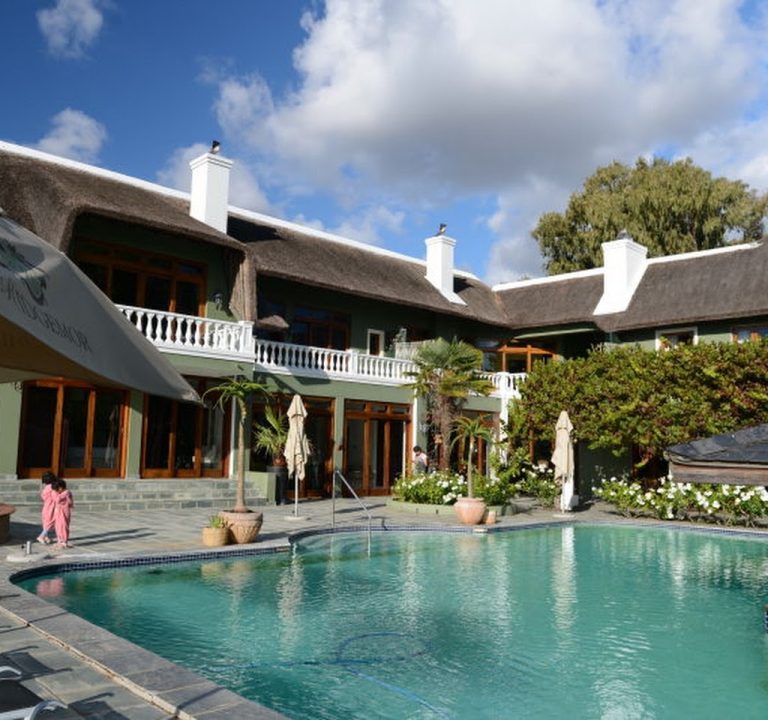
- Amenities and services: reliable wifi, secure parking, air conditioning or heating, and laundry services are common requests. A sunny veranda or pool can be a welcome bonus for warmer days.
- Location and transport: proximity to MyCiTi bus routes, taxi services, or car hire facilities can influence daily planning, especially if you intend to explore beyond central areas.
- Cancellation policies and flexibility: peak seasons demand careful planning, so check terms and whether changes are possible without penalties.
Typical amenities you might encounter in a well-run Cape Town accommodation include complimentary breakfast featuring local flavours, free or reliable Wi‑Fi, daily housekeeping, on-site parking, and secure access. Some properties offer curated itineraries, resident hosts who can share insider tips, or guided walks that showcase the area’s history and scenery. For a coastal stay, look for ocean views, easy access to the promenade, or a rooftop deck to watch the sunset over the bay. In the inland districts, you may find larger garden spaces, fireplaces or outdoor seating for cooler evenings.
Planning practicalities for a Cape Town stay is easiest when you think about transport. The city is well served by a bus network and ride-hailing apps, but having a car offers maximum flexibility for day trips to the Cape Peninsula, Boulders Beach penguin colony, or wine routes in Constantia and the surrounding hills. If you prefer not to drive, choose a centrally located base in the City Bowl or near the V&A Waterfront with easy access to guided tours and hop-on, hop-off options. Consider packing comfortable walking shoes for hills and uneven pavements, a light layer for coastal winds, and a daypack for street markets and beach strolls.
The best time to visit Cape Town is often dictated by weather and crowds. Spring (September to November) and autumn (March to May) offer milder temperatures and abundant natural beauty, with fewer crowds than the peak southern summer. Summer (December to February) brings longer days and warm ocean air, ideal for beaches and outdoor activities, while winter (June to August) tends to be cooler and occasionally rainy, a good season for city galleries, museums and gastropubs without the peak-season bustle. If you plan outdoor adventures like hiking or coastal drives, check the forecast and prepare for variable winds and rapidly changing conditions.
When it comes to attractions and experiences, Cape Town presents a rich tapestry of possibilities. Iconic natural scenery such as a cable-car ascent or hiking route up a world-famous mountain, sweeping harbour views, and access to a nearby peninsula offer a memorable outdoor palette. Cultural highlights often include historic townships, museums and art galleries that tell the city’s story, while the Cape’s celebrated wine estates and markets provide gastronomic and sensory experiences without straying far from your base. For food lovers, the dining scene ranges from casual coastal eateries to refined restaurants that showcase local produce and seafood in season. It’s common to find excellent regional wines paired with seasonal menus at many establishments close to central areas or within short drives from the coast.
To help you plan, here are a few practical tips:
- Book well in advance for peak seasons and major events, but read cancellation policies carefully in case plans shift.
- Ask hosts about local recommendations for markets, beaches with lifeguards, and family-friendly activities if you’re travelling with children.
- Check transport options and safety tips for night travel, particularly if you plan to explore late in the evening or visit distant neighbourhoods.
- Consider a short stay in a contrasting neighbourhood to experience both the city centre and the coast—this helps you gauge what you’d like to return to on a future trip.
- Consult a trusted travel guide or official tourism site for up-to-date information on weather conditions, crowd levels, and seasonal highlights.
For more insights and inspiration, you can explore Cape Town’s official tourism resources and regional guides. A well-chosen base, thoughtful planning, and an appetite for discovery will help you enjoy a balanced, memorable stay in one of the world’s most geologically and culturally diverse cities. Discovering Cape Town’s accommodation options and planning your day around its spectacular scenery and welcoming hospitality can be the start of a remarkable journey.