Accommodating Gqeberha: Where to stay and what to do in the Eastern Cape’s coastal gateway
Gqeberha, known for its sweeping beaches, friendly neighbourhoods and easy access to the Eastern Cape’s Game Reserve pleasures, offers a broad spectrum of accommodation. From seaside lodges and boutique B&Bs to self-catering apartments and larger hotels, travellers can find a stay that fits both budget and mood. When planning a visit, start by mapping out a few key areas and thinking about how you want to spend your days: a coastal base for beaches and watersports, a more central spot for dining and culture, or a calm retreat with easy access to wildlife and day trips.
Areas to consider include the beachfront and Summerstrand for easy sea access and calm evenings, Humewood for a walkable precinct with nightlife and eateries, and the central, more historic parts of town for museums, markets and a slower pace. Walmer and Newton Park offer convenient access to shopping centres and business districts, while nearby coastal towns or nature reserves can provide a tranquil escape without far to travel. When choosing a place to stay, consider proximity to the activities you plan to enjoy, the type of transport you’ll use, and the level of service you prefer—whether you want a cosy guesthouse with a personal touch or a modern hotel with comprehensive facilities.
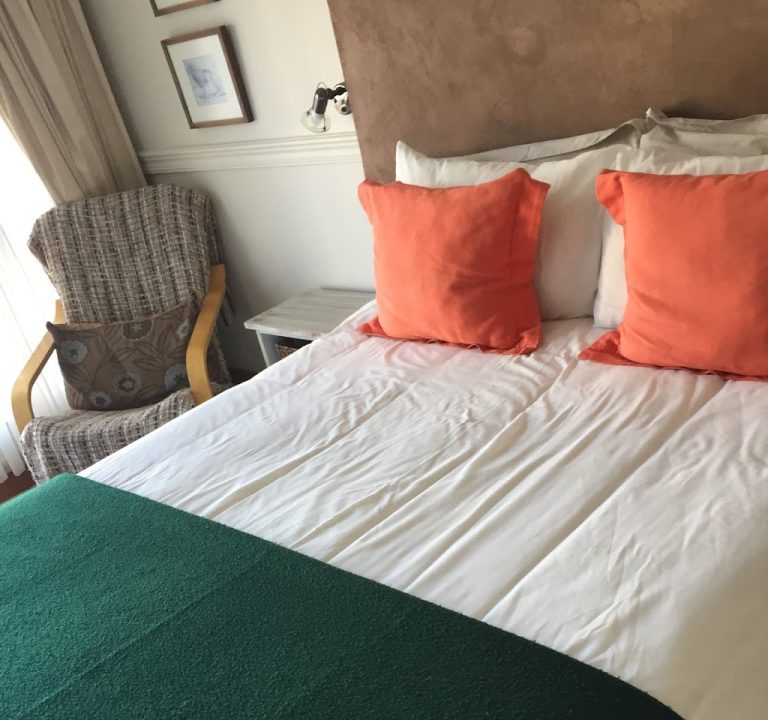
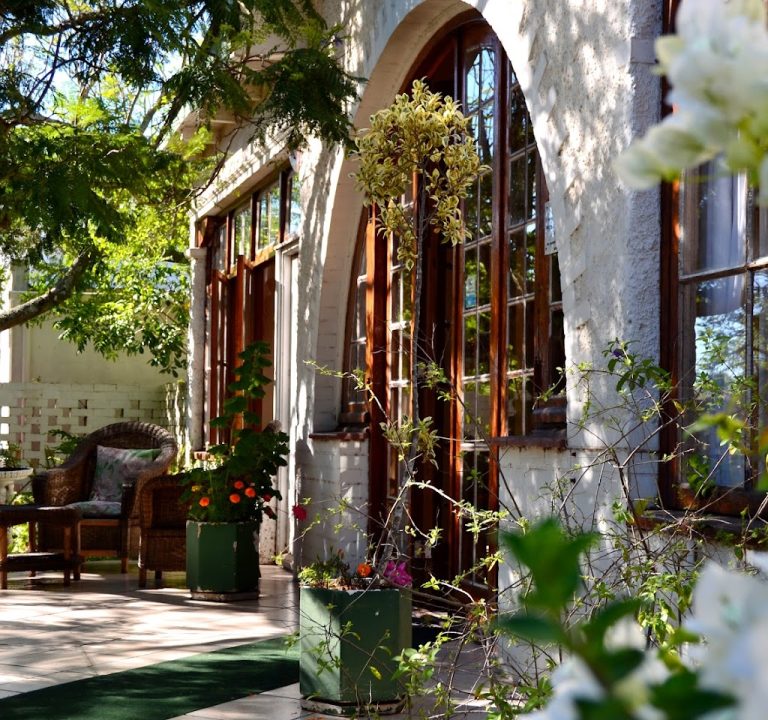
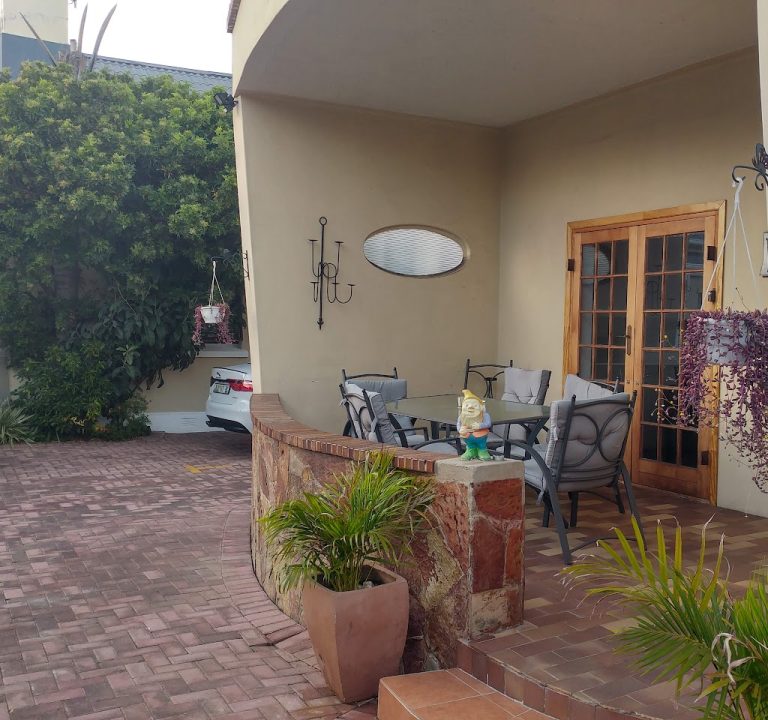
Typical features to look for include secure parking, reliable Wi-Fi, self‑catering facilities if you value flexibility, and a warm, responsive host or front desk team. If you favour a more intimate feel, a B&B or boutique lodge—such as Olde House B&B, if available—can offer personalised recommendations and a flavour of local hospitality. For families, suites with separate spaces or apartment-style units provide room to relax after a day of touring. If travel happens in peak season, check whether breakfast is included, what the cancellation policy is, and whether there are quiet hours to help you plan your days around beach or wildlife excursions.
Transport in Gqeberha is straightforward. The most convenient option for many visitors is a hire car, offering the flexibility to explore beaches, coastal trails, and day trips to coastal towns or reserves. Taxis and ride‑hailing services are widely available, and some lodgings offer shuttle arrangements to nearby attractions or the airport. Public transport is available but less frequent outside peak routes, so a car or organised tours can save time. If you plan to focus on the coast, an accommodation with easy beach access and pedestrian-friendly streets can reduce the need for daily car use. For longer trips to the Addo Elephant National Park or the Kavango region, join a guided tour or pre-book transport to ensure you maximise your time without getting lost.
The best time to visit Gqeberha depends on what you want to do. Summer (roughly October to March) brings warm days ideal for swimming, surfing and outdoor markets, with longer daylight hours. Winter (May to August) tends to be milder and drier, a good season for wildlife viewing on day trips when coastal crowds are thinner. The autumn and spring shoulder periods can offer pleasant temperatures and quieter streets. If whale watching or migratory birdlife appeals to you, plan around seasonal patterns and consider guided coastal walks or nature reserves to spot wildlife with local expertise.
Practical tips for planning your stay:
- Book accommodation with flexible cancellation policies, especially if your plans involve outdoor activities that depend on weather.
- Choose a base within a comfortable walking distance of good dining options or with easy access to reliable transport for evening outings.
- Check what’s included in the rate—breakfast, parking, and access to leisure facilities can add real value to your stay.
- Ask hosts about local tips, such as quieter beaches, safe walking routes, and the best times to visit particular attractions.
- Prepare for the climate with light, breathable clothing for the beach and a light layer for cooler coastal evenings.
Attractions and experiences in and around Gqeberha span coastal joys, cultural heritage, and easy wildlife escapes. Expect days spent enjoying expansive beaches, strolls along promenades, and the chance to learn about the city’s maritime history. The area serves as a gateway to wildlife-rich day trips and reserve excursions within a reasonable drive. Dining options range from seafood eateries to modern bistros and family-friendly establishments that celebrate regional ingredients. For a well-rounded visit, couple your stay with visits to historic walking trails, museum and gallery spaces, and a harbourfront ambience that captures the essence of the Nelson Mandela Bay area. For up-to-date inspiration and practical planning, consult the official regional tourism resources and travel guides prior to arrival, and consider booking some activities in advance during busy periods to ensure you don’t miss out on the experiences you’re hoping to enjoy.
For more information on regional tourism and ideas for your itinerary, visit official tourism resources and guides that cover Port Elizabeth’s broader area—Gqeberha’s coastal splendour, accessible transport options, and a range of accommodation styles designed to suit every visitor’s needs.