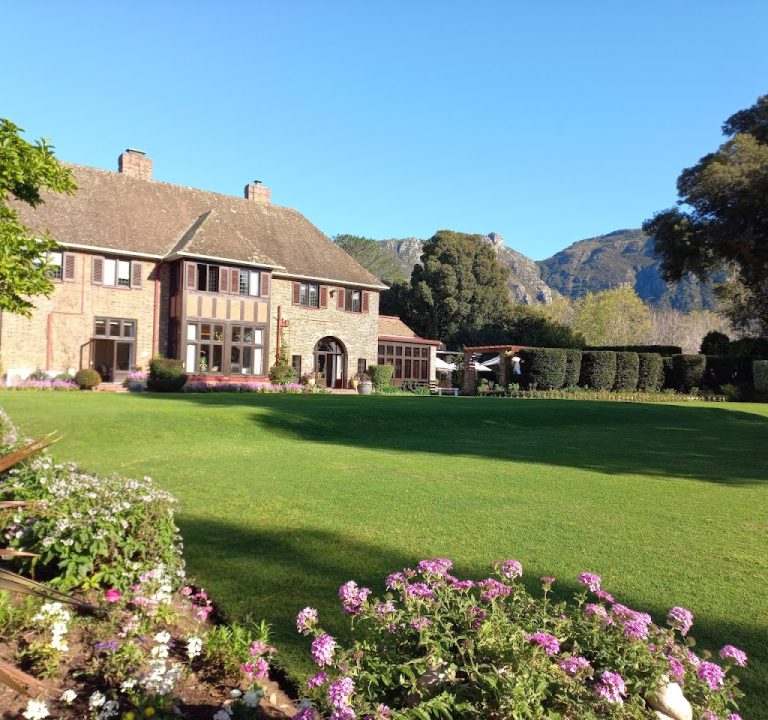
Old Mutual House is a Bed & breakfast establishment in Cape Town, Western Cape, South Africa
Old Mutual House, Cape Town – An Insight into a City Landmark
Situated in the Western Cape, Cape Town’s Old Mutual House stands as part of the city’s architectural and historical fabric. While the official site record for the property could not be accessed at the time of writing, the surrounding context of its location suggests a link to the city’s enduring commercial and cultural rhythm. With its central setting in the heart of Cape Town, Old Mutual House sits among a mix of historic façades and modern developments, offering potential travellers a gateway to both business and leisure in one of South Africa’s most visited cities.
For visitors seeking a stay that blends practical convenience with a sense of place, the surrounding area of Old Mutual House typically features a couple of hallmarks common to central Cape Town. The neighbourhood is renowned for its accessibility to a range of transport options, allowing easy exploration of the city’s diverse attractions. The area often benefits from a straightforward walkability to boutique eateries, cafes, and service amenities that help guests feel grounded in urban life while staying near the city’s core business districts.
When considering accommodation in or near a historic or office-adjacent building such as Old Mutual House, the key considerations include the style of interiors, the level of service, and the on-site facilities that help guests settle in quickly. While specific room types and detailed amenities are not clearly stated in the available access point, the general expectation for properties in this city corridor leans toward well-appointed guest rooms or serviced suites that prioritise comfort, clean lines, and practical amenities designed for travellers who require reliable Wi‑Fi, convenient workspace, and straightforward access to local transport links.
The architecture and the surrounding urban landscape offer a sense of place that can be appealing to visitors who appreciate a straightforward, business-friendly environment coupled with proximity to Cape Town’s iconic sights. Even without explicit room-by-room details, Old Mutual House’s setting situates guests well for short breaks, after-work stays, or longer sojourns that balance routine with discovery.
What makes a stay near a city landmark meaningful is not only the building itself but the convenience of daily rhythms. For travellers, a central location often translates into shorter transit times to major attractions, simpler early-evening meals, and opportunities to tailor a day around the city’s natural wonders and cultural venues. In Cape Town, the blend of mountains, shoreline, and urban life creates a dynamic backdrop for visitors who appreciate easy access to both on-foot explorations and short drives to further afield experiences.
Old Mutual House’s environs are likely to appeal to professionals, city breakers, and travellers who favour a practical base from which to explore. The property’s proximity to corporate and commercial corridors can be advantageous for those attending meetings or conferences, while the broader appeal of Cape Town’s cultural and natural highlights ensures that leisure itineraries can be built around a flexible mix of activities.
For travellers planning a stay in Cape Town, practical tips can help maximise the experience, even when exact on-site facilities are not publicly documented. Booking platforms often provide a snapshot of the essentials—a clean, comfortable room, reliable Wi‑Fi, a secure environment, and responsive reception services. When in doubt, it is wise to verify the latest information about room configurations, policies, and any included amenities prior to arrival, and to explore the property’s official page for the most current details and contact points, such as a website link for bookings and updates.
Nearby highlights in Cape Town typically include a mix of well-known must-sees and beloved neighbourhoods. Visitors can consider framing their itinerary around the city’s iconic Table Mountain and its panoramic viewpoints, the V&A Waterfront’s maritime ambience, and the historic heart of the city with its markets, dining, and cultural institutions. For those who enjoy a nature-forward day, a short drive or scenic excursion to the city's Atlantic coast or the nearby Cape Peninsula offers further opportunities to explore South Africa’s renowned landscapes.
Booking and travel tips for a stay linked with central Cape Town properties generally revolve around ease of access and flexibility. It is worth checking whether the accommodation provides efficient reception hours, secure access, and any on-site amenities that streamline a guest’s day, such as a communal lounge, luggage storage, or suggested neighbourhood guidance. Given the area’s dynamic rhythm, travellers may also find value in planning around peak traffic times and popular weekends to optimise time spent both inside and outside the property.
For those who wish to learn more or initiate a stay at Old Mutual House, the official site remains the best source for contemporary information, including booking options and any updates on room types, facilities, or policies. A link to the official site can be found here: Old Mutual House – Official Page.
- Central Cape Town location with convenient access to public transport
- Nearby cultural and dining precincts typical of the city core
- Potential for short or extended stays suitable for business travellers and value-conscious visitors
Cape Town
Western Cape
7708
South Africa


Where to Stay and What to Do in Cape Town: A Practical Guide for Visitors
Cape Town sits at the southern tip of Africa, framed by the Atlantic Ocean and the iconic Table Mountain. When planning a stay, centre your choices around the city’s diverse neighbourhoods, each offering its own mood, dining scene and access to attractions. From stylish guesthouses in the City Bowl to family-friendly lodges along the Atlantic Seaboard, there is a wide range of accommodation to suit different budgets and travel styles.
Common accommodation types include boutique bed and breakfasts, guesthouses, small hotels and self‑catering apartments. Many options come with inclusive breakfast, private ensuite bathrooms, free Wi‑Fi and convenient on‑site parking. If you prefer a more immersive stay, look for properties with host recommendations, local tips, and organised experiences such as guided walks, market visits or wine tastings nearby. For sustainability‑minded travellers, some properties emphasise energy efficiency, water conservation and support for local producers.
City Bowl and the Central Business District offer easy access to museums, historic streets and the modern dining scene. The V&A Waterfront is a short taxi or Uber hop away, while De Waterkant and Bo-Kaap deliver atmospheric streetscapes, colourful houses and a sense of Cape Town’s diverse heritage. The Atlantic Seaboard—especially areas such as Clifton, Camps Bay and Sea Point—provides coastal views, promenade strolls and a calmer atmosphere, often with more expansive rooms and private terraces. Constantia and the southern suburbs are ideal for leafy retreats, vineyards and family-friendly stays within reach of wine farms and hiking trails. For a more authentic local experience, consider Woodstock or Observatory, where converted factories and historic homes blend with contemporary eateries and markets.
When choosing where to stay, consider these practical points:
- Transport links: Check proximity to MyCiTi bus stops, train stations or major roads if you plan to drive. Some properties offer shuttle services or easy access to ride‑hailing options.
- Parking: If you will hire a car, confirm on‑site parking availability and whether it is covered or secure, especially in urban districts.
- Quiet hours and family suitability: City Centre stays may be busier at night; look for family‑friendly rooms if travelling with children.
- Amenities: A comfortable bed, en-suite facilities, reliable Wi‑Fi and a well‑equipped kitchenette or breakfast options can make a big difference on a longer stay.
- Cancellation and policies: Read the terms carefully, including deposits, refunds and what constitutes a late cancellation.
Best time to visit Cape Town depends on preferences. Summer (December to February) brings long days, beach weather and outdoor activities, but it is also peak tourist season, so prices and crowds can rise. Autumn (March to May) and spring (September to November) offer mild weather, clearer skies and often better value. Winter (June to August) is cooler and wetter, yet still pleasant for city tours, museums and gourmet dining. Whichever season you choose, plan for outdoor activities such as cable‑car visits, nature hikes, coastal walks and scenic drives along the coastline.
Attractions span dramatic natural beauty and vibrant urban life. Iconic viewpoints provide panorama over the harbour, Table Mountain and rolling suburbs. Coastal routes along the Atlantic Seaboard showcase cliffs, beaches and sunset silhouettes. Inside the city, museums and markets reveal Cape Town’s layered history and contemporary culture. A visit to nearby peninsula routes can be arranged for wildlife viewing, penguin colonies and sea life encounters, while winelands in the Constantia valley offer easy day trips from the city centre.
Dining in Cape Town covers a spectrum from casual cafés to fine‑dining rooms. Expect dishes inspired by South African flavours, seafood fresh from the coast and a fusion of influences reflecting the city’s multicultural makeup. Many guesthouses and hotels provide recommendations for nearby eateries, whether you’re after a relaxed brunch, a vibrant market experience or a sit‑down meal with a view. For a broader sampling, self‑guided food walks or curated tastings can be arranged through some accommodation providers or local operators.
Practical tips to help you plan a smooth stay:
- Book accommodation with a strong, well‑lit neighbourhood connection to your interests—be it city sightseeing, beaches, or wine country day trips.
- Check access to nearby amenities such as supermarkets, pharmacies and medical facilities, particularly if you require specific services.
- Consider travel times to major sights and traffic patterns; peak hours can affect your plans, especially on the Atlantic Seaboard and through the city centre.
- Pack layers to adapt to Cape Town’s microclimates: it can be warmer by the coast and cooler on the hills or at night.
- Prioritise reputable operators for tours and experiences; many providers offer sunset cruises, penguin visits, or guided walks with local insight.
- When in doubt, consult the official tourism resources for up‑to‑date advisories and suggested itineraries.
For a taste of Cape Town’s modern history and architecture, consider a stay that combines period features with contemporary comforts. One notable address in the city’s story is Old Mutual House, a landmark building whose story can be explored online. While booking details and availability depend on current operator arrangements, it serves as a reminder of the city’s architectural diversity and the enduring appeal of staying in carefully curated spaces. For more information about such properties and the wider range of options, you can visit official sites and the city’s tourism pages.
Sorry, no records were found. Please adjust your search criteria and try again.
Sorry, unable to load the Maps API.
Why Claim Your Listing?
Claiming your listing on the B&B Finder directory website is a valuable opportunity for business owners. Here are five reasons why you should consider claiming your listings:
Control Over Business Information: By claiming their listing, business owners can ensure that all the information presented is accurate and up-to-date. This includes details such as contact information, address, pricing, and available services or amenities. Accurate information helps prevent customer confusion and improves overall satisfaction.
Enhance the Listing: Once a listing is claimed, owners can enhance it by adding more comprehensive information and rich media, like high-quality photos and videos. These additions can make the listing more attractive and engaging to potential customers, thereby increasing the likelihood of bookings.
Marketing Opportunities: Claiming a listing can also open up additional marketing opportunities. Owners may be able to participate in promotional campaigns, special offers, and other marketing activities organized by the directory. This can increase visibility and attract more customers to the business.