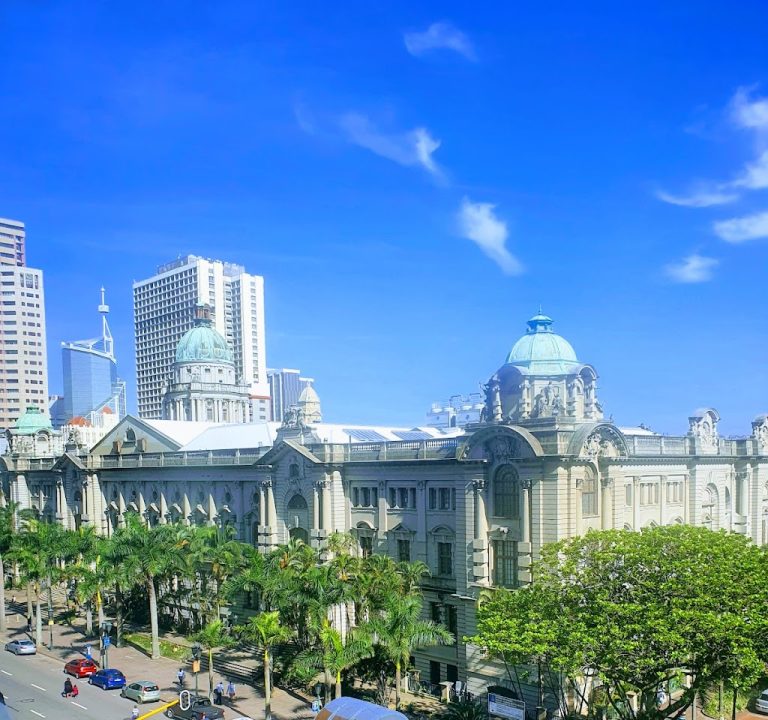
Durban: Where to stay, what to do and how to get the most from KwaZulu-Natal’s coastal city
Durban blends sun-soaked beaches with a dynamic urban scene, making it a versatile destination for travellers seeking a relaxing break, a cultural immersion or a base for exploring the wider KwaZulu-Natal region. When planning a stay, consider the different neighbourhoods and what they offer, from family-friendly coastlines to leafy residential pockets with easy access to the city’s amenities. Durban’s accommodation landscape ranges from boutique BnBs and charming guesthouses to modern hotels and self-catering apartments, ensuring options for every budget and style.
Where to stay matters as much as how long you stay. The beachfront stretch, including popular precincts along the Golden Mile and the uShaka area, provides convenient access to swimming beaches, promenades and a lively dining scene. For a quieter ambience with easy access to parks and leafy streets, consider the northern suburbs and coastal suburbs that blend residential calm with proximity to shops and cafés. City centre options suit travellers who value proximity to cultural attractions, markets and a broader range of dining experiences, while inland pockets are ideal for travellers who want quicker access to natural landscapes and day trips.
When booking, look for a few practical amenities and features that make a Durban stay smoother. A comfortable bed and reliable air conditioning are essential in Durban’s subtropical climate, particularly in peak summer. A well-equipped kitchenette or self-catering facilities can help stretch budgets, while free Wi-Fi, secure parking and a flexible cancellation policy offer real-world convenience. Check whether a property provides beach towels, umbrellas or snorkel gear for guests, and whether there is easy access to lift facilities if required. For families, note the availability of family rooms or apartment-style accommodation with separate living areas.
Transport and getting around Durban is straightforward but benefits from a little planning. If you plan to stay near the coast, a short walk to the beach or promenade can save car time and fuel. In many areas, rideshare services are convenient for evening dinners or social events. If you intend to explore beyond the coast, a rental car provides maximum freedom, especially for trips to natural reserves or inland attractions. The city is served by a network of main roads and public transport routes, but it’s worth confirming access to parking, particularly in busy periods or in central areas.
Best time to visit Durban is guided by the climate and regional events. The city enjoys a warm subtropical climate with high humidity in the summer months. Winters tend to be mild and pleasant, making off-peak visits attractive for those seeking quieter streets and lower rates. The wetter period can bring tropical showers, typically brief but sometimes heavy, so packing a light rain shell is sensible. If your visit aligns with school holidays or local festivals, expect a vibrant atmosphere and a broader choice of dining and entertainment options.
Durban’s attractions span beaches, wildlife and cultural experiences. On the coast, you’ll find broad, sandy shores suitable for family days out, pool-friendly hotels and promenades that are pleasant for a morning stroll or an evening jog. Inland and surrounding areas offer opportunities for nature lovers and adventure seekers, from scenic drives to nature reserves and viewpoints. Cultural experiences can range from markets and craft stalls to galleries and theatres, often accompanied by a diverse food scene that blends Indian-influenced curries with seafood, grilled prawns and modern fusion eateries. For those short on time, a mix of relaxed beach time with a couple of short excursions provides a well-rounded Durban experience.
Food and dining in Durban reflect its multicultural roots. Expect a spectrum from casual beachfront cafés serving light bites and smoothies to hearty family-run eateries offering traditional curries, grilled meats and seafood dishes. Many properties partner with local restaurants or offer curated breakfast menus featuring seasonal produce. When researching dining options, look for places with friendly service, clear allergy information and a comfortable atmosphere for different travellers—whether you’re travelling with children, friends or colleagues. If you’re keen on a self-guided culinary stroll, consider areas known for their street-food-style stalls and casual dining venues that celebrate coastal and regional flavours.
Sample planning checklist for a Durban stay:
- Choose a base that minimises travel time to the activities you want to prioritise, whether that’s beaches, markets or cultural venues.
- Consider accommodation with flexible cancellation policies and clear information about parking and access.
- Pack sun protection, light clothing, a hat and a light rain layer for changing coastal weather.
- Plan a couple of day trips to the surrounding KwaZulu-Natal landscapes, balancing beach days with short excursions.
- Use official tourism resources to discover events, local markets and seasonal specials at restaurants and attractions.
For further inspiration and practical planning, you can explore official Durban and KwaZulu-Natal tourism resources, which typically offer information on accommodation types, area guides and suggested itineraries. Always check recent visitor reviews and property policies before booking, and reach out to hosts or front desks with any accessibility or timing questions before your arrival. With careful planning, Durban can be a relaxed beach retreat, an energising urban break or a gateway to extraordinary KwaZulu-Natal experiences—all within a single, vibrant city by the sea.